Supporting Ethiopia’s National Soil Fertility and Health Action Plan
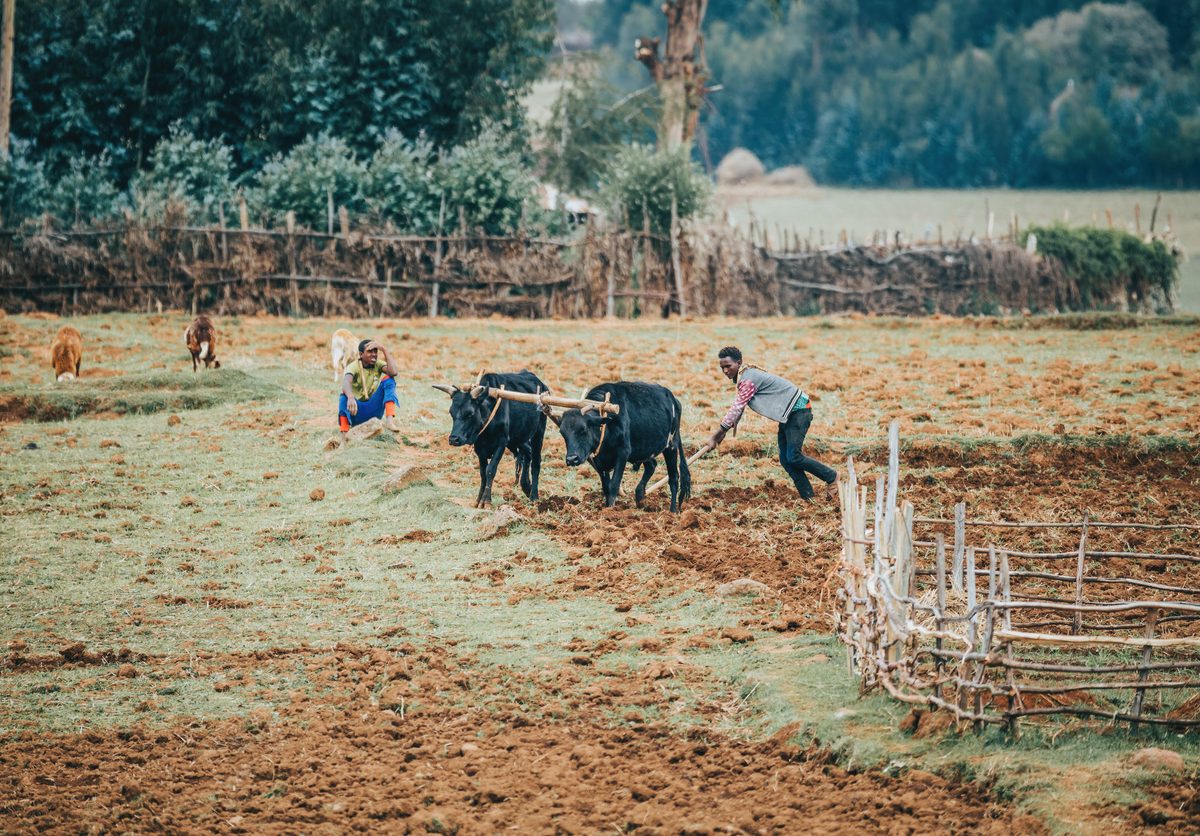
Agriculture remains central to Ethiopia’s economy, social fabric, and long-term development trajectory. The sector is estimated to employ about 62% of the total workforce as of 2023 and serves as the main source of livelihood for 80% of the population. Agriculture underpins national food security and plays a crucial role in climate resilience. Yet, despite sustained investment and policy attention over several decades, agricultural productivity continues to face persistent structural constraints. Among the most critical of these is declining soil fertility and widespread land degradation. The government has well recognized that, across many regions of the country, farmers contend with nutrient-depleted soils, erosion, acidification, salinity, vertisol management problems, and declining organic matter. These challenges directly affect crop yields, production costs, and household incomes.
Against this backdrop, the launch of Ethiopia’s National Soil Fertility and Health Roadmap (2026–2035) represents a significant national milestone. The Roadmap aligns Ethiopia’s priorities with the Nairobi Declaration on Fertilizer and Soil Health, which outlines commitments to enhance agricultural productivity by improving soil health across Africa. The alignment of the roadmap with the Nairobi Declaration ensures that Ethiopia’s approach is informed by regional learning and contributes to collective efforts to strengthen soil systems across Africa. The Roadmap also marks a shift away from fragmented, project-based interventions toward a coherent, long-term vision for managing soil as a strategic national resource. The critical question now is how to translate this vision into sequenced, costed, and monitorable action over the next decade.
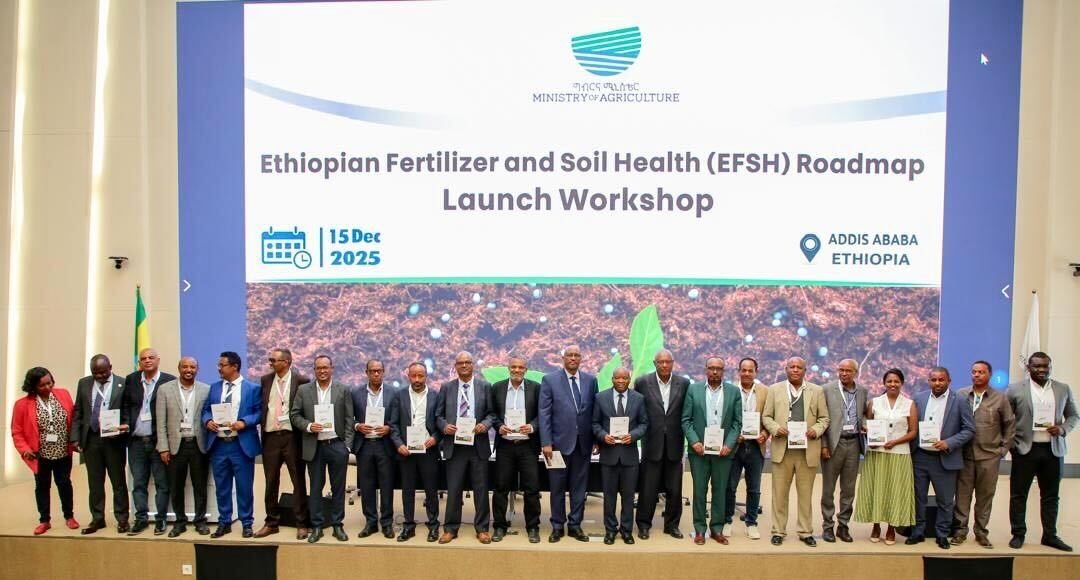
Through the Soil Nutrient Roadmap (SNR) program, locally referred to in Ethiopia as the Soil Nutrient Program (SNP), Development Gateway (DG) supported the development of the Roadmap. DG was appointed as a member of the Technical Committee/Working Group, a role that positions us not merely as a project implementer but as a strategic partner in the national policy process. This appointment is significant as it ensures direct alignment between DG’s and SNP’s activities with government priorities.
During the Roadmap working phase, DG supported the content development, facilitated consultative workshops, and contributed to structuring key performance areas, institutional responsibilities, and actionable timelines. During the implementation of the Roadmap, DG supported the analysis of strengths, weaknesses, opportunities, and threats (SWOT)s, and prepared financial planning materials for short-term, mid-term, and long-term periods – all integral parts of the roadmap. The SWOT analysis provided a foundational background for the roadmap, with the financial planning component intended to guide its implementation.
What the Roadmap Sets Out to Achieve
The goals of the 10-year strategic framework of the Soil Fertility and Health Roadmap extend beyond yield gains to propose a systemic shift in how soil is managed, valued, and governed. Key objectives include:
- Promoting integrated soil and nutrient management
- Strengthening soil information systems
- Improving extension services
- Enhancing fertilizer policy and regulation
The Roadmap also emphasizes the importance of research, innovation, and capacity building to support long-term institutional learning.
Development Gateway’s Contribution through SNR/SNP
Our role has been grounded in a long-term partnership with the MoA and a commitment to government-led reform. The Roadmap is organized around several priority areas, each accompanied by concrete action items assigned to corresponding implementing institutions. Engaging with these priorities is the helps identify areas of alignment with existing SNR/SNP activities. As a strategic reference point, the Roadmap also guides continued long-term investments and collaborations with the Ministry.
The SNR/SNP program responds to the challenge of soil degradation and nutrient inefficiency by equipping governments and partners with tools to quantify needs, prioritize interventions, and guide evidence-based investments. To support implementation, SNR adopts a structured three-part process: diagnose nutrient gaps, design prioritized solutions, and sequence implementation pathways aligned with national ambition. The aim is to create:
- A technical framework with models and tools to prioritize action;
- A dashboard that allows users to simulate and compare national scenarios; and
- Progress indicators that help track results over time.
During a recent progress update meeting, the State Minister of Natural Resource and Development Sector of the MoA, H.E. Prof Eyasu Elias, acknowledged the role of SNR in helping to translate elements of the Roadmap into early-stage, practical implementation steps. This recognition underscores the importance of moving from strategic policy documents into visible, actionable outputs that build institutional confidence in long-term planning processes.
Co-Designing the SNR/SNP Dashboard
Looking ahead, the success of Ethiopia’s Soil Fertility and Health Roadmap ultimately depends on sustained political will and commitment, adequate financing, and continuous institutional learning. Key priorities for the next phase include establishing robust monitoring systems, securing long-term financing mechanisms, strengthening regional implementation capacity, and institutionalizing soil data systems within government structures.
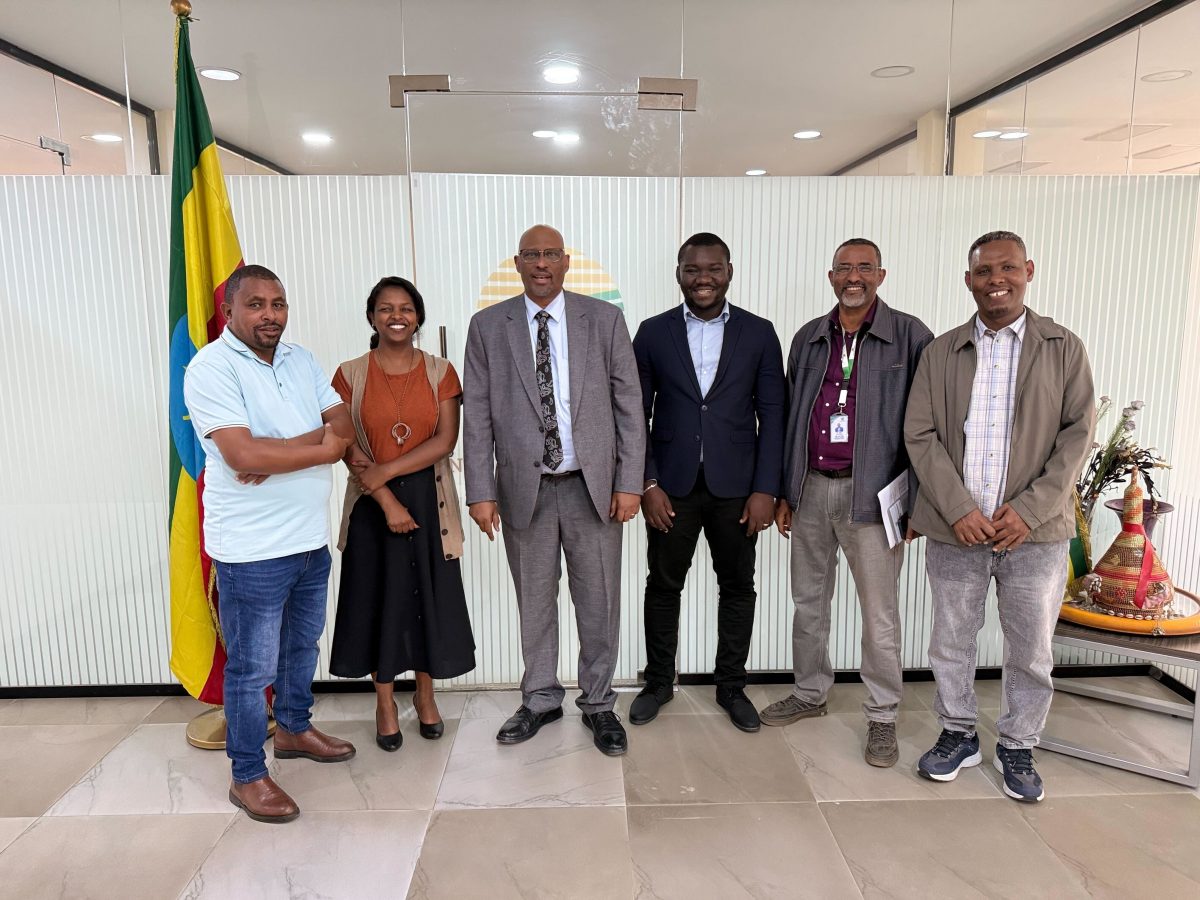
To support this, a key next step in operationalizing the Roadmap is developing the SNR diagnostic tool, which provides policymakers and planners with a structured way to test production scenarios, estimate nutrient requirements, and understand the financial and environmental implications of different fertilizer strategies. To ensure the tool responds to real institutional needs, DG will host an in-person co-design workshop with the MoA and affiliated institutions.
The workshop will bring together policy actors, technical experts, and data users to jointly define priority indicators, user requirements, and practical use cases. Rather than imposing a predefined tool, the co-design approach allows stakeholders to shape the model’s structure, functionality, and governance. This process is expected to strengthen ownership, enhance usability, and embed the dashboard within existing policy and planning workflows.
For Development Gateway, the next phase involves continuing to support government-led implementation, refining technical tools, and documenting lessons learned. The experience in Ethiopia demonstrates that when national leadership is combined with collaborative governance and transparent decision-support tools, long-term strategies can move beyond policy rhetoric and begin to shape durable institutional systems.