
DG Developing Open Source AI Tool to Help with the Fight against Corruption

We’re excited to announce our forthcoming open-source AI tool to support anti-corruption work. The tool, which we hope to register as a Digital Public Good, will be used to extract text from complicated contracts and support anti-corruption efforts by increasing accessibility of and transparency around hard-to-access information.
Technology for a Stronger Democracy? Key Insights from the Third Summit for Democracy

During the recent Summit for Democracy in Seoul, South Korea, DG led a session exploring how national commitments to developing technology can strengthen democracy and combat corruption. From that conversation, we identified three insights on how to advance this essential work.
Five Insights on Country-Led Digital Public Infrastructure Systems to Create a Cohesive Approach throughout Africa

Drawing from Development Gateway: An IREX Venture’s work in implementing country-specific digital solutions that support a cohesive approach across a given region or continent, we have identified five insights on how to go about implementing digital public infrastructure systems at the country-level while having a cohesive approach throughout Africa.
Raising Awareness on World No Tobacco Day 2024: DaYTA/TCDI’s Work on Tobacco Industry Interference
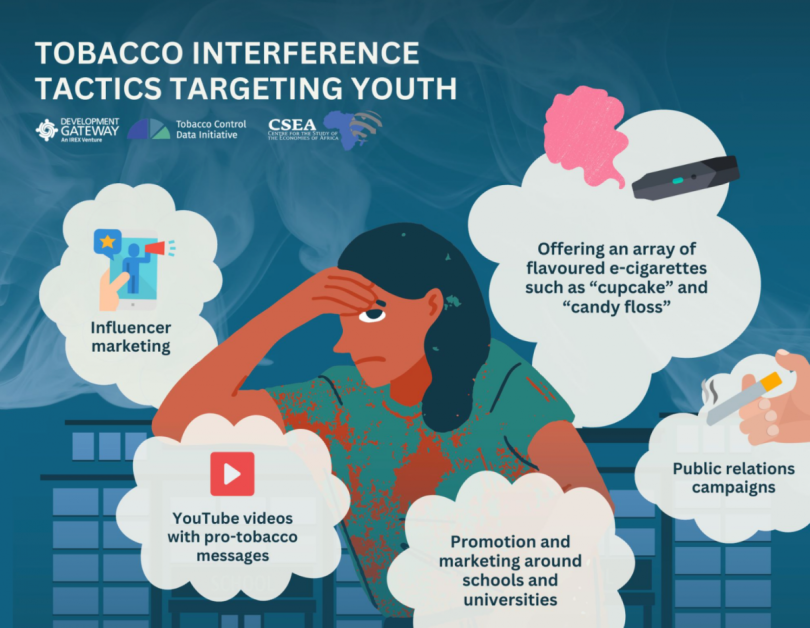
As tobacco companies have aggressively deployed creative strategies to market retail nicotine and tobacco products at children and adolescents, it is imperative that tobacco control stakeholders have access to timely and high-quality data to inform robust policies, regulations, and enforcement mechanisms.
Great Green Wall Observatory: A New Data Platform to Support One of Africa’s Most Ambitious Efforts to Combat Climate Change
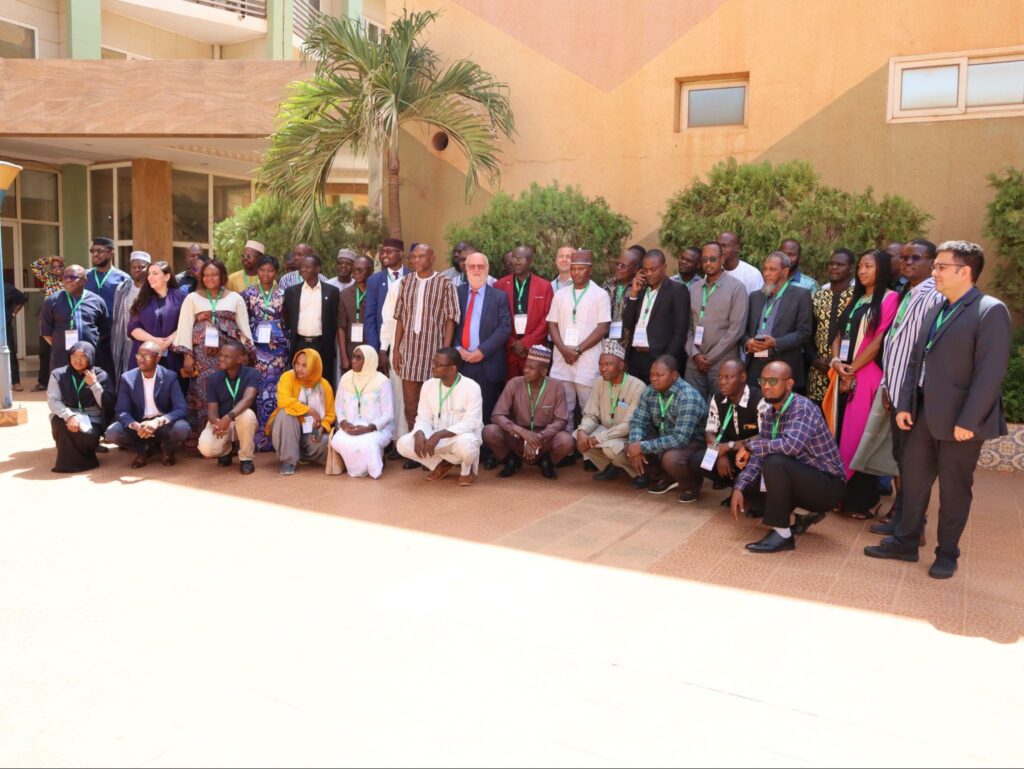
In partnership with UNCCD, GGW Accelerator, and the Pan African Agency for the GGW, DG has launched the Great Green Wall Observatory. This pioneering digital platform monitors the GGW Initiative’s progress, enhancing collaboration, accountability, and transparency across 11 African countries. By providing financial and project management data, the Observatory empowers communities, stakeholders, and policymakers to combat climate change in the Sahara and Sahel regions. With over 302 projects and $15 billion in commitments, this tool promotes robust climate action and fosters local and global engagement.
At a Glance | Tracking Climate Finance in Africa: Political and Technical Insights on Building Sustainable Digital Public Goods

In order to combat the effects of climate change, financing is needed to fund effective climate fighting strategies. Our white paper, “Tracking Climate Finance in Africa: Political and Technical Insights on Building Sustainable Digital Public Goods,” explores the importance of climate finance tracking, common barriers to establishing climate finance tracking systems, and five insights on developing climate finance tracking systems.
Letting the Sunshine in: Building Inclusive, Accountable, and Equitable Climate Finance Ecosystems
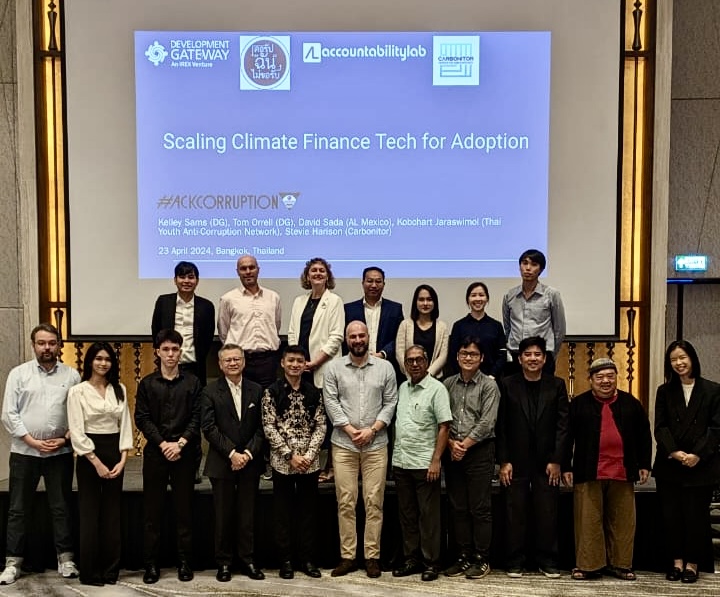
In April, DG, HackCorruption, and the Thai Youth Anti-Corruption Network hosted a roundtable in Bangkok to discuss climate financing. This blog explores the main takeaway: a multi-disciplinary and multi-stakeholder approach that prioritizes local contexts, inclusive governance, transparency, accountability, and equitable distribution of resources is essential to impactful climate financing.
Mythbusters: Digital Public Infrastructure & Digital Public Goods
Although the international community has just now reached consensus on what digital public infrastructure is, there are still a lot of myths and misperceptions around the term, and the open-source technology that often powers it. In this blog, we’ll debunk some common myths we hear about DPI with facts, highlight some successes and failures, and show you some of the open-source DPI tools we’re following.
The Data Crisis Following USAID’s Withdrawal: Opportunities to Reimagine Data Systems
For decades, USAID and other US government funding supported global data systems, from health surveys and early warning tools to digital infrastructure for ministries. The abrupt termination of USAID funding has triggered twin crises: a halt to data collection and the undermining of digital systems – reveal existing inefficiencies and instabilities in how data is collected, managed, and shared both within and between countries.