Why Africa’s Next Decade in Agriculture Will Be Won or Lost on Data
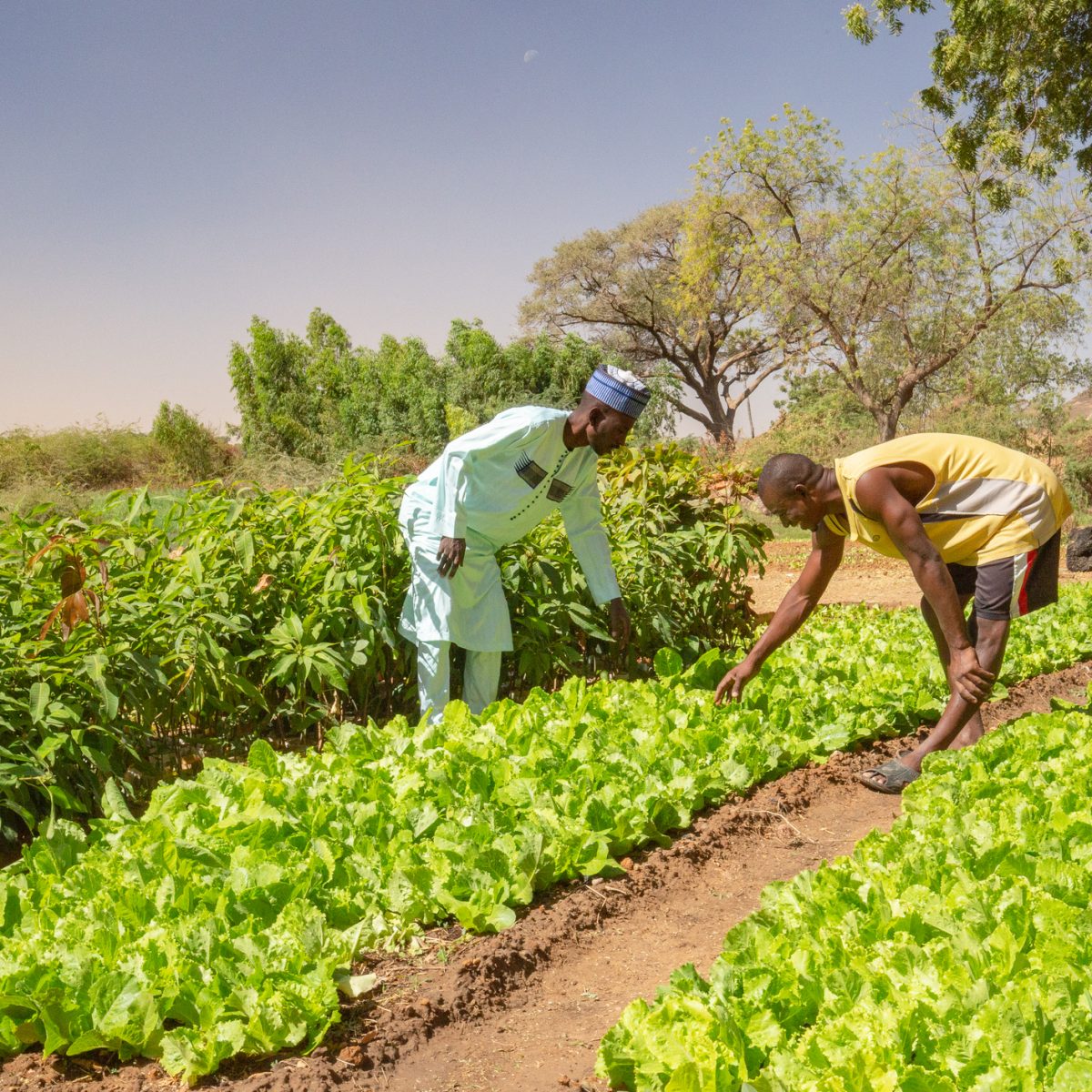
Africa’s agricultural productivity has stagnated, even falling in some parts of the continent. In response, the agricultural community has spent the last two years building the continent’s agricultural policy architecture to spur productivity through the Comprehensive Africa Agriculture Development Programme (CAADP) Strategy and Action Plan (2026–2035), and its related Kampala Implementation Guidelines. Together, these two documents were endorsed by African Union member states to give the continent’s third CAADP cycle something the previous two lacked: a four-part implementation cycle spanning governance, diagnostics, investment readiness, and mutual accountability, anchored by 22 core targets. It is, by any measure, a framework with depth. What will make this cycle different from the last? We think investment (or lack thereof) in the data.
The CAADP frameworks call for reporting every two years, known as the Biennial Review. After four Biennial Review cycles between 2017 and 2023, analysis showed a steadily declining share of benchmarks met – from 48% to 31% – reflecting a growing gap between progress towards ending food insecurity and the benchmarks set in the CAADP frameworks. A Global Policy Journal analysis published after the Kampala Summit in February 2025 put it plainly, noting that “the data indicates that African countries [were] not on track to achieve the Malabo targets,” the targets originally set under the second CAADP cycle.
Breaking the Cycle Means Deepening Data Investments
Part of the target shortfall is a cadence problem: the Biennial Review only occurs every two years, which is out of sync with a sector that must adapt with every planting season. More timely data could help make Biennial Reviews a more fruitful check-in point, and help to better prioritize activities in between review milestones. Initiatives such as 50×2030, a joint effort of FAO and the World Bank to plug data timeliness gaps by funding annual agricultural surveys in partner countries, can help, but more still needs to be done. As pointed out by the Regional Strategic Analysis and Knowledge Support System (ReSAKSS), this annual survey data “could be leveraged in the CAADP process,” yet that connection remains more aspiration than routine practice. How we invest in data amid the push to rebuild the Kampala Results Framework and Biennial Review indicators matters. In addition, it’s not just about monitoring frameworks. Better data foundations are also mission-critical during this AI moment that is sweeping across African agriculture.
Data for Monitoring = Data for AI
Currently, there is real enthusiasm for AI-driven agriculture tools. However, we are pointing increasingly sophisticated AI and satellite tools at agricultural systems whose ground-truth data is still shaky. A peer-reviewed paper in Nature’s Scientific Data notes that after assembling over 535,000 georeferenced yield observations across the continent, researchers found that government statistics overestimate yields by roughly 32% relative to crop-cut measurements, and concluded that “the largest constraint to satellite-based model performance is now training data rather than imagery.” That gap will not close through better algorithms alone – it closes through the same unglamorous work of data collection, harmonization, and governance that CAADP’s own accountability architecture depends on.
Encouragingly, some of the needed infrastructure already exists, but it needs to be treated as core to CAADP’s accountability system rather than as an adjacent project. One example is Development Gateway’s Soil Nutrient Roadmap (SNR) which uses geospatial soil, crop, and nutrient data to model outcome scenarios in an interactive country dashboard with an AI interface, helping governments move from diagnosis to investment choices. It allows ministries to explore production ambitions, nutrient needs, environmental trade-offs, and costs – essentially the diagnostics-to-investment pipeline the Kampala Guidelines ask every country to run. Elsewhere, AKADEMIYA2063 has built a comparable analytical layer: its ReSAKSS Country eAtlases turn satellite imagery, household surveys, and census data into public, interactive dashboards on production, food security, nutrition, and livestock trends. Neither tool is hypothetical; both are already in use, and both depend on exactly the kind of steady, annual agriculture survey data that 50×2030 and other initiatives are building the pipeline for. The open question is whether tools like these, fed by timely data collection, become the backbone of the Kampala Results Framework, or keep running alongside it.
Looking Ahead to the Africa Food System Forum (and Beyond)
None of this argues against the Kampala Guidelines, or against AI’s genuine promise for African agriculture. It argues, instead, against treating these as separate tracks. As ministers, the private sector, and many organizations convene in Kigali at the 2026 edition of the Africa Food Systems Forum (AFSF), data and digital investments need to be at the top of the agenda for driving the CAADP’s ambitions forward. Investments in data for CAADP and for the growing body of AI models are the same infrastructure problem viewed from two angles. Making this infrastructure functional – for citizens, investors, and the AI tools everyone is racing to deploy – depends on treating digital tools, and the data underneath them, not as side projects but as the foundation the entire agriculture ecosystem must stand on. African productivity can’t keep stalling while farmers wait on decision makers to invest in the data and digital tools that will target investments more effectively. AFSF marks the right time to double down on investing in data for the continent’s increased agricultural productivity for the long term.

Building Lasting DPI Through Local Ownership: Lessons from Ethiopia’s Livestock Information System
Digital Public Infrastructure (DPI) has emerged as a key framework for digital transformation around the world, helping to create new opportunities and economic growth – particularly in low- and middle-income countries. DPI is “a set of shared digital systems that should be secure and interoperable, that can be built on open standards and specifications to deliver equitable services at a societal scale and are governed by legal frameworks.” Of the three building blocks of DPI, DG focuses deeply on the importance of data exchange: data standardization, governance, and interoperability used to unlock value-addition in key government institutions and services, such as agriculture.
The Need
Despite the proliferation of digital tools and platforms, many countries still lack the capacity, trust frameworks, and ownership needed to translate data into meaningful systems change. Thus, “localization” – the idea of building local capacity, ensuring national policy ownership, and eliminating dependency on external actors – becomes essential, not only for tools to work, but also for DPI to be effective at a systems level more broadly. In practice, localization often falls short: an external partner designs a system, provides a one-time training, and then leaves. Without sustained funding, support, and local skills, the system eventually weakens or is abandoned, becoming a barrier rather than a reinforcement to local institutions. The true challenge, therefore, of creating sustainable DPI is not a successful handover at the end, but rather building systems that are localized and self-sustaining from the very beginning.
Through the a Livestock Information Vision for Ethiopia (aLIVE) program, we made two investments in localization that we believe can strengthen data sharing for DPI while supporting the development of a bespoke Livestock Information System (LIS) for the Ethiopian Ministry of Agriculture (MoA):
- Build local capacity that lasts
- Strengthen policy ownership and leadership
The LIS was developed by the aLIVE program, in close partnership with the MoA, as a core component of Ethiopia’s DPI. Designed to improve access to quality, interoperable livestock data, the system enables government decision-makers to better monitor and manage the livestock sector. Five priority livestock databases now feed into the LIS, focusing on population, health, trade and genetics – namely, the Ethiopia Animal Identification and Traceability System (ET-LITS), Animal Disease Notification and Investigation System (ADNIS), Disease Outbreak & Vaccination Reporting System II (DOVAR II), National Livestock Market Information System (NLMIS), and Africa Asia Dairy Genetic Gains (AADGG).
Build Local Capacity That Lasts
Achieving sustainability requires significant investment in people, particularly the Information and Communication Technologies (ICT) team at the Ministry of Agriculture (MoA), and key livestock data system teams. aLIVE’s support has been intentionally embedded within MoA: the aLIVE team works from the Ministry, and a member of the aLIVE tech team works directly with the MoA-ICT team onsite. Instead of one-off training, aLIVE’s embedded staff work side-by-side with government colleagues, providing continuous learning through ongoing coaching, on-demand support, and hands-on experience with real LIS and Ethiopia Livestock Identification and Traceability System (ET-LITS) tasks over four years.
By actively engaging with the system – troubleshooting, testing, refining features, and learning through practical application – MoA teams became system experts early on who could operate, maintain, and improve the LIS and ET-LITS themselves. This collaboration develops institutional capacity, ensuring critical knowledge remains within the Ministry, strengthening self-reliance, and guaranteeing that technical know-how outlives external partners. This focus on people has successfully housed technical expertise within national institutions.
This partnership is responsive to local needs. For instance, when MoA colleagues identified that routine daily ICT tasks were consuming the time of core staff needed for national initiatives like aLIVE and ET-LITS, aLIVE helped bring in three interns. These interns support the MoA ICT team with routine activities, allowing core staff to concentrate on higher-level system design, data governance, and strategic use of livestock information. This decision to recruit interns is itself an example of localization in practice: it strengthens MoA’s own teams rather than substituting for them, creating an internal pipeline of ICT talent that can grow with the system, having had critical exposure to ministry work before entering public service.
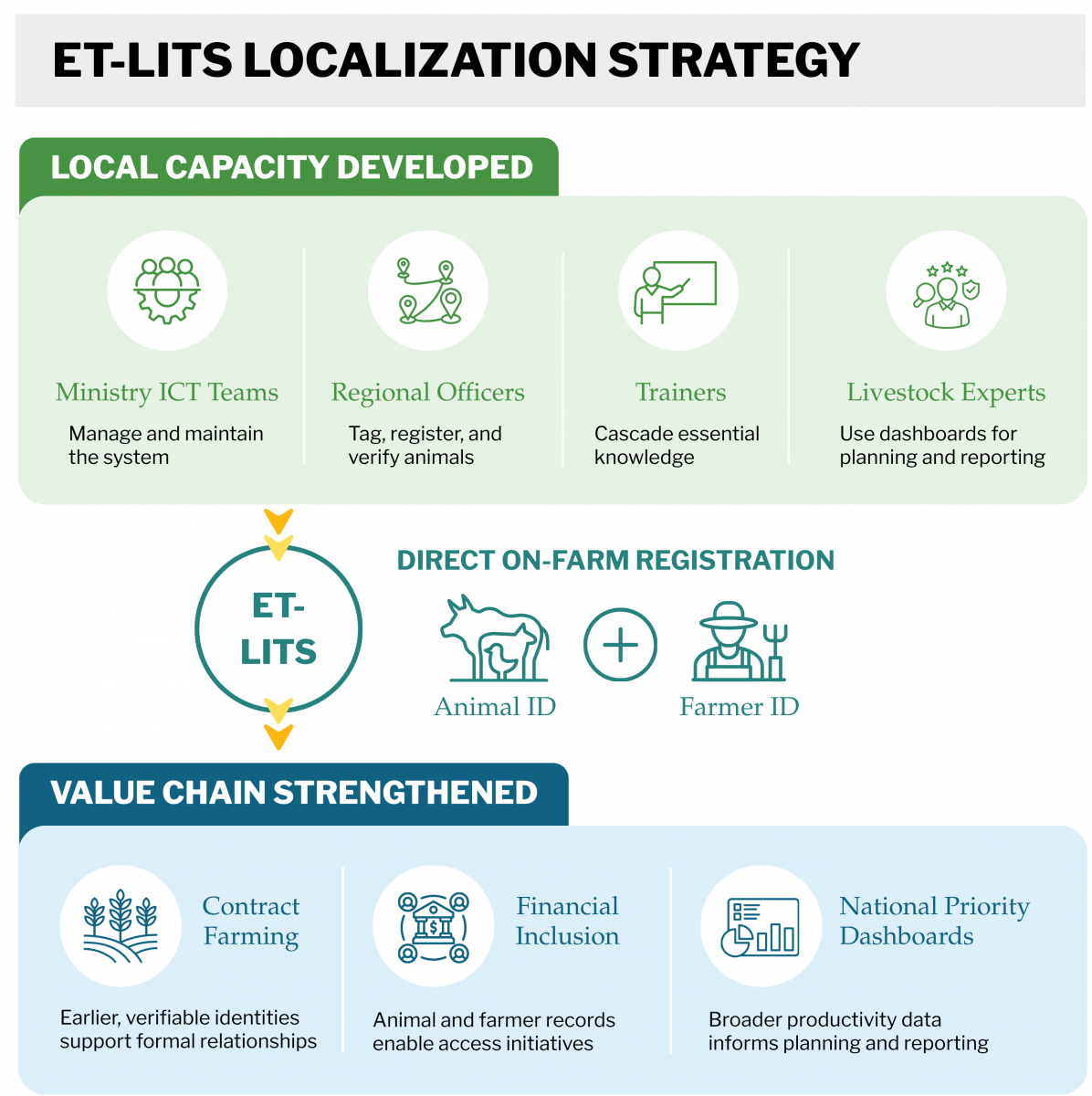
Capacity-building extended beyond the Ministry’s ICT team: regional officers, master trainers, and livestock experts were all equipped to run their part of the system. That distributed capability let ET-LITS evolve – animals are now registered directly on farms, giving animals and farmers verifiable identities earlier in the value chain to support contract farming and financial inclusion, while dashboards have broadened to track national priorities including milk, egg, and honey production.
Strengthen Policy Ownership and Leadership
The Ministry’s active involvement from the outset has been crucial. MoA livestock leaders – including State Minister, Dr. Fikru Regassa – hold seats on aLIVE’s governing committee; key system owners took part in the technical implementation committee and participated in co-design workshops. Decision-makers also participated in shaping livestock data standards, a governance framework, data access and sharing protocols, and a resource mobilization strategy. MoA system managers and livestock experts have been active decision-makers and co-creators, guiding the LIS direction and integrating data analysis into their daily work using tools like Power BI and Excel. Trainings were tailored according to MoA staff, who engaged actively to tell us what training they needed to impact their day-to-day work and data use. Knowledge shouldn’t collect dust on a shelf; staff learned how to operate tools that can be used daily, weekly, and monthly, institutionalizing knowledge instead. This shifts the system from an external add-on to an integral part of routine government operations. Consequently, the LIS leverages local ownership at multiple administrative levels to ensure the digital system is designed around Ethiopia’s priorities, policies, and realities, carefully reflecting high-level national commitments.
A significant milestone demonstrating this sustainable shift is the Ministry’s assignment of a dedicated data steward to coordinate across directorates, oversee system administration, and facilitate the ongoing institutionalization of the LIS into the Ministry’s broader digital governance architecture and resource mobilization efforts.
Co-creation is central to aLIVE’s work with the MoA on key policy ownership and data governance documents. A major accomplishment has been the development and implementation of National Livestock Data Standards for consistent, reliable, and actionable data. Following endorsement, a training-of-trainers approach was adopted, empowering MoA teams nationwide. With the Ministry now taking full ownership of cascading these standards and updating data collection formats, a robust national data foundation is being established. So far, over 300 experts and data collectors have been trained, with training continuing for nationwide adoption. The co-creation of national livestock data standards, governance frameworks, and data-sharing protocols ensures ET-LITS is tailored to Ethiopia’s specific context and needs.
Additionally, jointly developed frameworks, including governance structures, data access and sharing protocols, and the Resource Mobilization Strategy (RMS), establish roles, responsibilities, rules for data access, and a long-term financing plan. This ensures stability and sustainability from the outset. Resource mobilization efforts, including internal budget allocations and complementary support from partners like the International Livestock Research Institute, provide a strong model for the Ministry to continue sustaining and scaling the initiative.
ET-LITS was strategically repositioned by aLIVE and the MoA to be a comprehensive national livestock asset management system, beyond solely an export tracking mechanism. Repositioning the system involved localizing and enhancing ownership of LITS in order to expand its uses to fit country needs: Ethiopia needed expanded registration, integration, and financial inclusion. Fundamentally, a system better fit for purpose is a system more likely to be used, owned, and maintained by our partners.
This expansion involved:
- Expanding Registration: Broadening animal registration from just feedlots to include identification at the farm level, encompassing both pastoral and agro-pastoral production systems.
- Integrating Systems: Linking animal identification with national breeding programs and connecting traceability data with essential disease surveillance and vaccination records.
- Supporting Financial Inclusion: Recognizing livestock as digital assets to help facilitate financial inclusion for livestock owners.
This comprehensive transformation was realized through joint planning, technical working groups, and alignment with national priorities. As a result, ET-LITS is now fully integrated into Ministry structures, operationalized by trained government personnel, and guided by nationally owned policies.
Conclusion
Localization should be a practical commitment woven into both its daily operations and the long-term architecture of systems like the LIS and ET-LITS. This focus ensures that the investment in DPI is worthwhile for all parties and compelling to domestic owners. Prioritizing local ownership results in DPI that serves its intended purpose and is ready for connection/expansion to new systems, addressing new needs, making way for DPI at scale. Ultimately, investing in local ownership leads to sustainable DPI, achieved through key strategies:
- Building trust and relevance with stakeholders, particularly across government entities.
- Promoting system uptake and designing initiatives for increased buy-in [or use].
- Building domestic systems and data governance.
- Ensuring responsiveness to national development priorities and policies.
DPI shaped by national institutions and aligned with government priorities gains strength, trust, and wider adoption. When government stakeholders see their priorities reflected in DPI, it builds confidence and fosters long-term commitment. Sustainable DPI for agriculture demands a long-term commitment to people and institutions, not just technology. By collaborating closely with the MoA, providing continuous capacity building, and ensuring strong alignment with national priorities, Ethiopia’s Livestock Information System is a case study for how to approach boosting Ethiopia’s wider digital transformation ambitions in the livestock sector and beyond.
Ultimately, DPI for agriculture and other sectors must ensure that governments are well supported to independently manage, adapt, and expand digital systems over time, guided by the country’s own experts. This approach allows systems to evolve with changing needs, such as adapting for AI and other national priorities as they emerge. When true local ownership is established, capacity is robust, and policies are shaped locally, DPI can thrive long after a program concludes, continuing to inform decision-making and contribute to national development goals. In the end, it will allow Ethiopia – a country dependent on livestock – to harness the potential benefits we know that DPI can offer.

Three Fundamentals for Climate and the Future of Health
Takeaways from The Conduit’s Climate and the Future of Health event
As part of London Climate Action Week, on 22 June, Climate and the Future of Health brought together practitioners, policymakers, and researchers at The Conduit in London for a discussion that felt eerily well-timed. The event took place during the hottest June on record in the British capital, with significant disruptions to public transport, school hours, and daily life. This opening irony quickly gave way to a more serious point: climate change is no longer a distant environmental concern. It is a present-day public health issue, and one that is already reshaping how cities, health systems, and communities must respond.
London, my home, is having to start adapting to the heat. Just last week, the Mayor launched the capital’s first heat plan, Heat Ready London, setting out a city-wide approach to protecting Londoners from extreme heat. As our Deputy Mayor for Environment and Energy, Mete Coban MBE, noted in his remarks at the event, in a city where heat, pollution, and inequality intersect so sharply, this signals a broader shift: climate adaptation can no longer sit at the edge of public health policy but has to move much closer to the center.
The timeliness of The Conduit’s event amplified the poignancy of the conversations. Three takeaways stood out for me. First, the event underscored just how important investment in public health adaptation and resilience is as a first line of defense against the climate crisis. Second, it underscored that climate and health will only advance if governments, philanthropy, civil society, academia, health professionals, and the private sector each play their part. Third, it highlighted the urgent need for improved data flows and stronger evidence to ensure that climate services for health can shape policy in practice.
Climate financing needs to remain adaptive and responsive to rapid shocks
The most glaring thread running through the day for me was the centrality of resilience to current conversations on climate services for health. Climate is affecting public health in more immediate and dangerous ways than it has in the recent past, from extreme heat and air pollution to pressure on health services, mental health, and shifting disease burdens. As a relative outsider to public health conversations, the urgency really struck me and was driven home by the weather outside.
Public health officials are no longer preparing for a hypothetical future shock; they are managing a live, escalating, and concurrent set of risks and crises. All conversations on the day gravitated toward adaptability: how systems absorb shocks, how cities protect vulnerable residents, and how services continue to function under strain. In a global financing context where the Climate Policy Initiative estimates that 80-95% of tracked climate finance is invested in mitigation measures, public health stakeholders’ focus on adaptation and resilience stands out as a first-line defense measure against the most immediate and deadly impacts of the climate crisis.
As someone whose focus is less sector-specific and more focused on the role of digital across sectors, this has raised questions for me about whether, at a global level, policymakers have found the right balance in terms of prioritizing where and how scarce resourcing for climate change is invested. My hope is that financing and funding mechanisms are designed to ensure that they can remain adaptive in responding to immediate shocks at national and sub-national levels in particular.
Broad coalitions that center local issues are the surest route to legitimacy and impact
My second takeaway from the event was that climate services for health cannot be built by any one institution acting alone and must respond to local needs to remain legitimate and impactful. Governments provide the mandate, align climate and health priorities, and ensure that evidence informs planning, budgeting, and delivery. But, as speakers on the day noted, many of the determinants of health sit outside ministries of health, which means that policymakers working on housing, transport, labor, planning, energy, and finance all need to be part of the conversation, as their sectors are the ones that need to adapt to protect public health from climate change shocks.
The Wellcome Trust’s growing role in this space helps illustrate the point. As Alan Dangour, Wellcome’s Director of Climate and Health, noted on the day, its climate and health work has focused on strengthening research, building a transdisciplinary ecosystem, and improving the translation of evidence into action. The value-add of the Wellcome Trust’s approach, in particular, is that it can operate in the spaces that governments can’t and fill gaps by supporting the generation of scientific evidence, strengthening institutions’ ability to absorb science, and supporting coordination.
Over the course of the day, speakers highlighted the roles of other actors in the space. Medical and public health professionals are often the most trusted voices in the room, and they are well placed to translate climate risk into practical terms, whether the issue is heat stress, maternal health, respiratory illness, or mental health. Universities and research institutions have to continue producing robust evidence, but also make that evidence more legible to decision-makers. Non-governmental organizations (NGOs), civil society – and most importantly, communities themselves – play a critical role in implementation and accountability, while companies have responsibilities that range from worker protection to more resilient infrastructure and operations.
Cutting across all stakeholders’ roles is the need to depoliticize the conversation where possible. This does not mean pretending climate change is not political. It simply means speaking to people in terms they understand and care about. The examples shared by city leaders from London, Miami, and Phoenix made this clear: in one place, the immediate concern may be flooding, in another, worker safety, and in another, dirty air or overheating homes. Not every discussion needs to begin with a global framework. Often, arguments resonate more clearly and directly when they begin with a local problem and a practical response.
Data and evidence need to be integrated, locally owned, and responsive to context to add value
My third takeaway, while technical, is arguably the most important for turning ambition into action: better data flows and stronger evidence are urgently needed if climate services for health are to shape policy at scale.
Too often, relevant information sits in disconnected systems: meteorological services hold one set of data, health ministries another, statistical offices a third, researchers a fourth, and planners or finance ministries a fifth. The result is fragmentation at exactly the point where joined-up analysis is needed most. What is required is not simply more data, but better translation of data into policy action. That means improving interoperability across systems, supporting data-sharing agreements, curating climate and health evidence in usable formats, and designing digital products that respond to real policy questions rather than abstract technical ideals. It also means co-designing those tools with the people expected to use them, so that evidence arrives in forms that fit planning cycles, budget processes, and emergency response structures.
This is especially urgent in settings where climate vulnerability is high and institutional capacity is constrained. In these contexts, the gap between available evidence and practical decision-making can be especially damaging. Strengthening information availability, accessibility, and use, therefore, must be part of the core architecture, making climate-health policy more preventive, more locally relevant, and more effective.
The lesson for the future: Don’t forget these fundamentals
The overarching lesson that I take from this event is that this is a field that is moving quickly, driven by the already alarming impact that rapid climate change is having on global public health.
What I would like to see ensured as the space moves forward is that the three fundamentals highlighted in this post remain invested in: firstly, that as humanity continues to invest in climate change prevention and resilience, there is an adaptive approach to ensuring that financing is responsive as immediate priorities shift and change; secondly, that communities are engaged, and have a real stake, in local issues that affect them in ways that de-escalate and depoliticise climate change; and thirdly, that the development of integrated, sustainable and locally-relevant data systems and scientific evidence bases that are can turn policy and public concern into concrete public health policy action are invested in.
From Ambition to Adoption: Reflections on AI in Higher Education in Kenya and Jordan
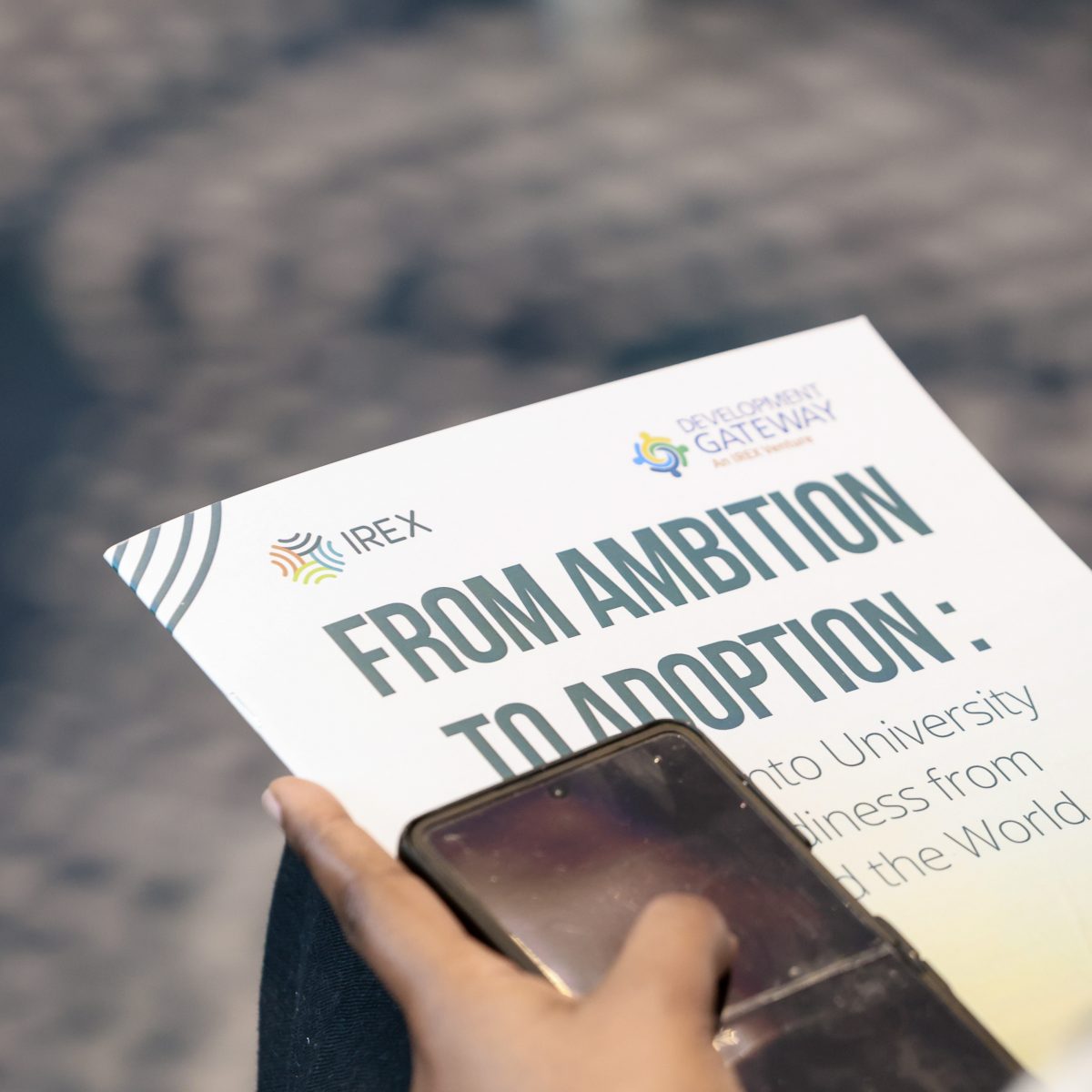
Higher Education Institutions (HEIs) are increasingly expected to move beyond experimenting with new generative and agentic AI tools. They are being asked to shape the future workforce, strengthen research and innovation, and build the governance systems that make AI adoption effective, responsible, and sustainable. However, as IREX and DG’s recent report, From Ambition to Adoption: Insights into University AI Readiness from Around the World, notes, HEIs’ efforts to turn AI adoption into institutional value lag behind leadership ambition.
Recognizing the need to address this gap, the Office of the Special Envoy for Technology of the Republic of Kenya, IREX, and Development Gateway: An IREX Venture (DG) convened a strategic dialogue in Nairobi on June 3, 2026, during the Global Data Festival. The event provided an opportunity to explore ways of closing the gap between AI ambition and institutional adoption in the higher education sector.
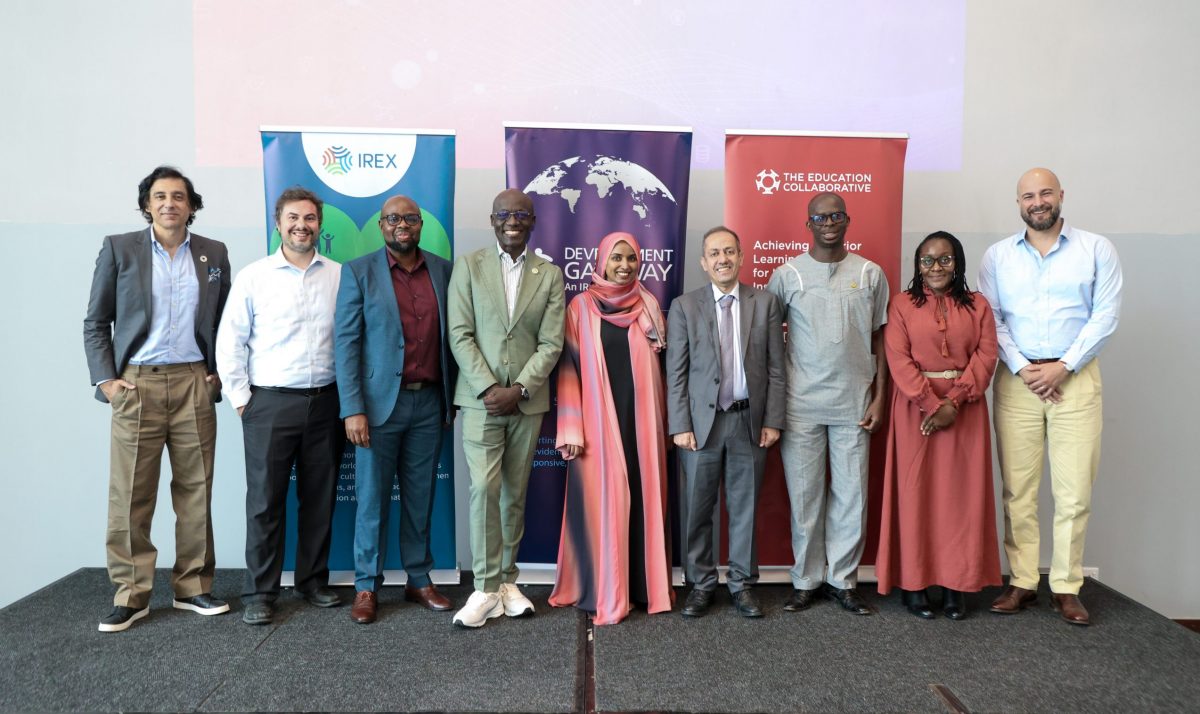
The dialogue brought together a multi-stakeholder group of development funders, political and diplomatic representatives – including the Ministry of Education and the Embassy of the Hashemite Kingdom of Jordan in Kenya – Kenyan universities and other HEIs, as well as private-sector representatives.
The dialogue was rich and varied, with contributions broadly falling into three categories: AI sovereignty, meaningful partnerships, and priorities for adoption.
1. AI Sovereignty
Throughout the dialogue, participants repeatedly returned to the question of who controls data, knowledge, infrastructure, and the terms under which AI tools are built, input data is generated, and outputs are used in higher education contexts. This was not framed as an abstract policy concern but treated as a practical issue that impacts the security of student data, university and researcher intellectual property, and the use of AI tools produced outside of Kenyan or Jordanian contexts.
Participants shared several examples of what AI sovereignty looks like in a practical higher education setting. Representatives from the Jomo Kenyatta University of Agriculture and Technology (JKUAT) highlighted their recent successful effort to establish an AI Center of Excellence at the university, designed to build Kenyan and regional capacity through a shared institutional, governance, and data ecosystem. Representatives from the Kenya Technical University described a local-language chatbot project they are building, which is hosted on local servers and utilizes locally based computing power, signaling an effort to keep data and compute closer to the communities that AI serves.
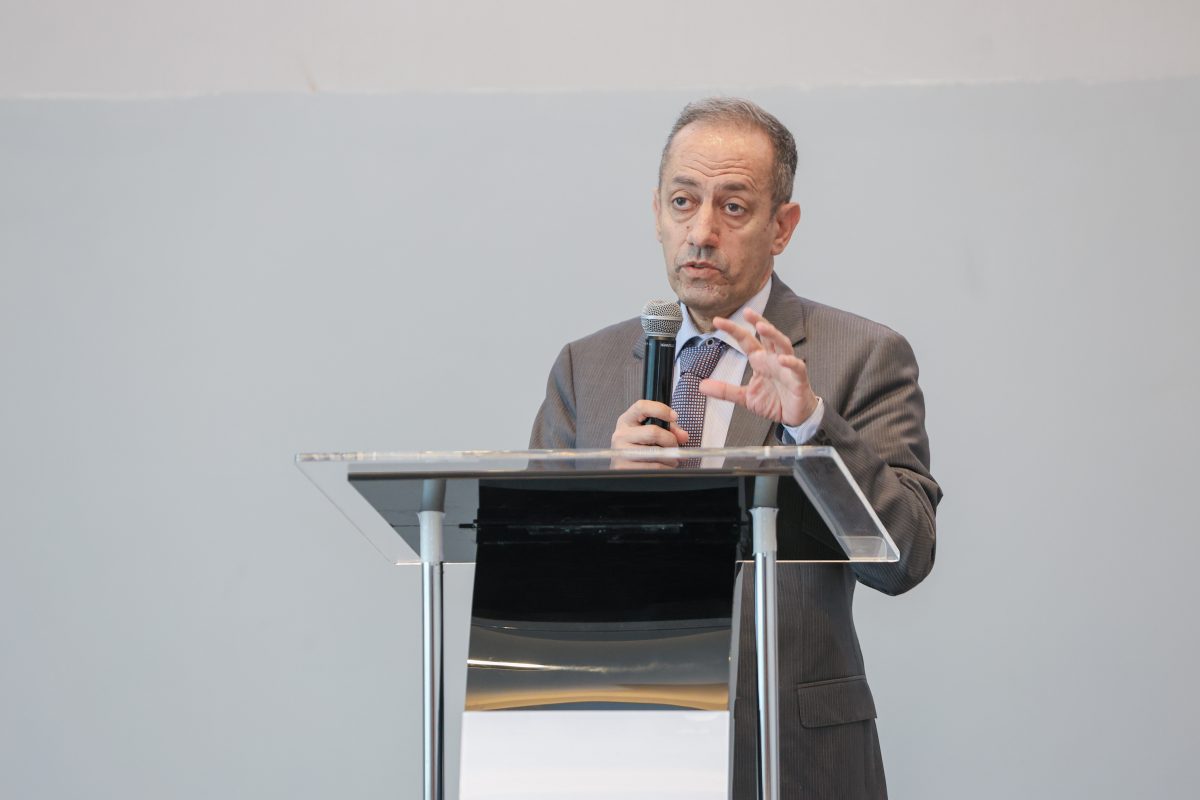
On the Jordanian side, Professor Ziad Hawamdeh, the University of Jordan’s Vice President for Administrative Affairs, Financial Affairs, and Digital Transformation, emphasized the importance of HEI leadership setting the boundaries and parameters for AI use within university contexts and highlighted cybersecurity as a critical component of sovereignty.
2. Partnerships That Matter
The dialogue also made clear that no university can achieve this transition alone. In a resource-constrained environment, partnerships are not optional extras; they are enabling conditions for transformation. The experience of the United States International University-Africa (USIU-Africa) offered a vivid illustration: its digital shift during the COVID-19 pandemic depended heavily on a long-term partnership with the Mastercard Foundation, which supported infrastructure, instructional design, and a wholesale redesign of online delivery.
That example also pointed to a broader lesson about the nature of good partnerships. The most useful collaborations were described as equal, context-aware, and problem-driven rather than extractive or transactional. Participants stressed the value of partnerships across universities, government, development partners, industry, and edtech firms, but insisted that these relationships must respect institutional priorities and local realities. In that sense, the Kenya-Jordan exchange itself reinforces this message: cross-regional learning can accelerate progress when it is built on mutual respect and shared problem-solving.
3. Priorities for Adoption
A third theme focused on priorities. The discussion quickly moved beyond enthusiasm for tools and toward the institutional foundations needed for AI adoption to be meaningful. Those foundations include AI policies, faculty development, assessment redesign, digital infrastructure, and mechanisms for measuring AI’s impact on learning and research.
Universities in the room shared practical examples. USIU-Africa has shifted toward more applied assessments, placing a stronger emphasis on projects, videos, and other practical work rather than traditional exams alone. Strathmore University highlighted challenge-based learning tied to real industry problems, helping students use AI without losing the habit of critical thinking. Professor Hawamdeh described the broader transformation of classrooms, content, and operations as part of a move toward smarter governance and a more digitally capable institution. The common thread was clear: higher education institutions should use AI to strengthen core learning outcomes, not replace them.
Moving from ambition to adoption: Setting the Foundations for Sustainable Transformation
The dialogue closed with the broad contours of a practical approach toward moving from ambition to adoption of AI in the HEI sector in Jordan and Kenya.
First, universities should conduct AI readiness assessments to understand where they stand on governance, infrastructure, skills, and culture before scaling adoption.
Second, partners should support sandbox and testbed environments where institutions can test AI tools against real academic and administrative needs.
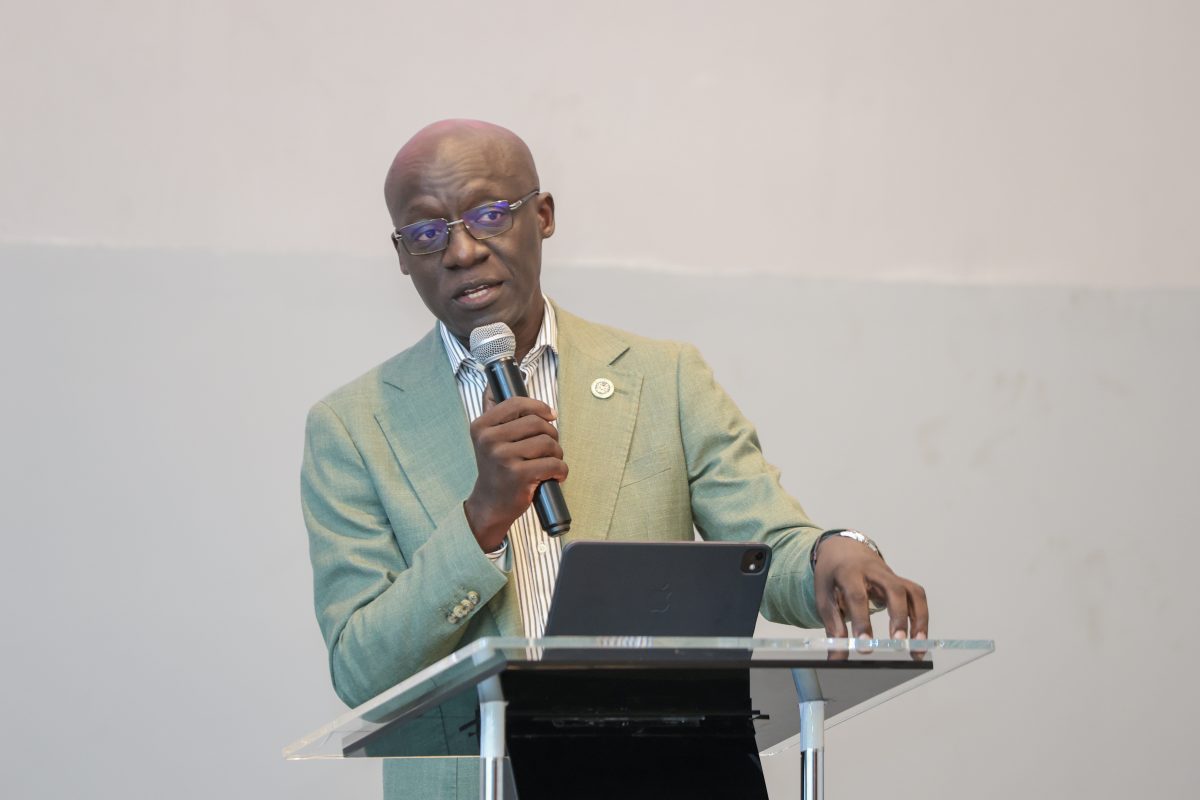
Third, as Ambassador Philip Thigo, the Special Envoy for Technology, emphasized, “We need standards” to implement locally owned, sovereign solutions within the HEI sector.
Finally, universities and their partners should build a stronger investment case for AI in higher education, one that speaks not only to ministries of education but also to ministries of finance, donors, and other decision-makers.
Therefore, moving forward, the opportunity is to turn scattered experimentation into coherent, sovereign, and sustainable adoption pathways that serve learners and societies alike.
Supporting Ethiopia’s National Soil Fertility and Health Action Plan
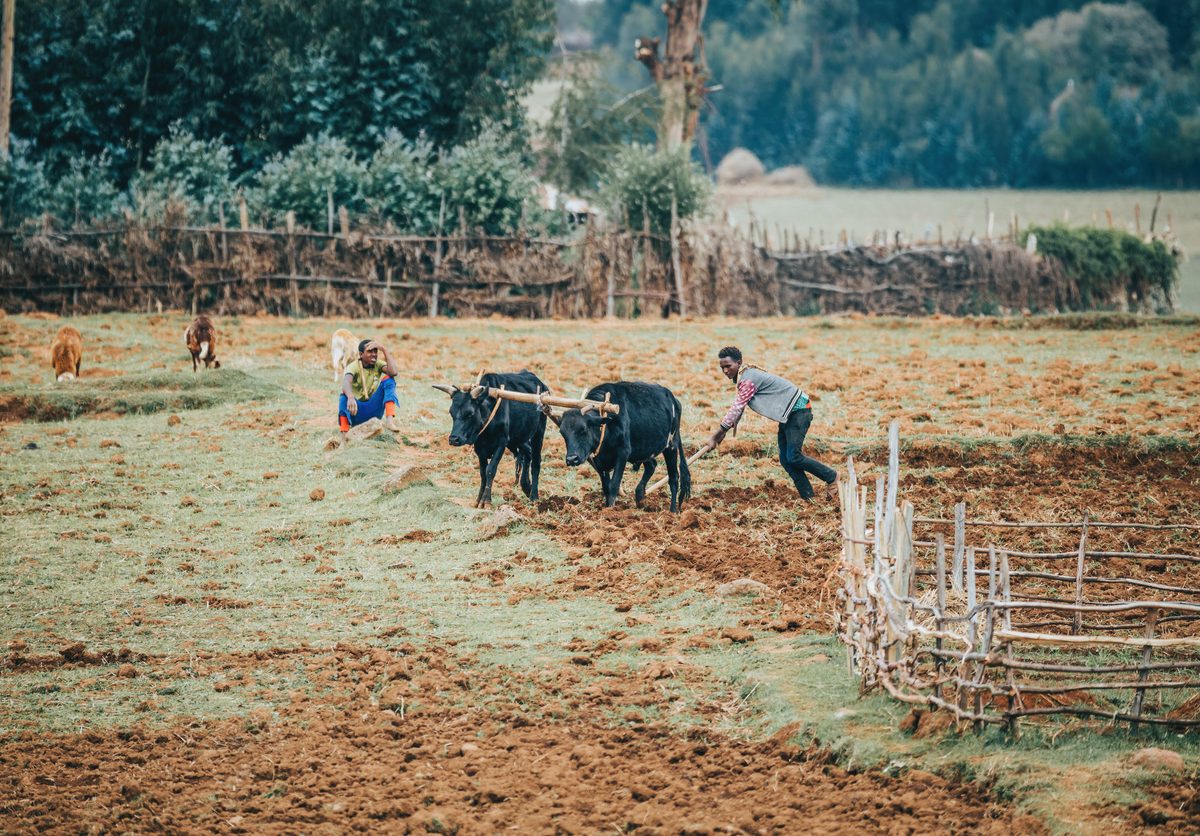
Agriculture remains central to Ethiopia’s economy, social fabric, and long-term development trajectory. The sector is estimated to employ about 62% of the total workforce as of 2023 and serves as the main source of livelihood for 80% of the population. Agriculture underpins national food security and plays a crucial role in climate resilience. Yet, despite sustained investment and policy attention over several decades, agricultural productivity continues to face persistent structural constraints. Among the most critical of these is declining soil fertility and widespread land degradation. The government has well recognized that, across many regions of the country, farmers contend with nutrient-depleted soils, erosion, acidification, salinity, vertisol management problems, and declining organic matter. These challenges directly affect crop yields, production costs, and household incomes.
Against this backdrop, the launch of Ethiopia’s National Soil Fertility and Health Roadmap (2026–2035) represents a significant national milestone. The Roadmap aligns Ethiopia’s priorities with the Nairobi Declaration on Fertilizer and Soil Health, which outlines commitments to enhance agricultural productivity by improving soil health across Africa. The alignment of the roadmap with the Nairobi Declaration ensures that Ethiopia’s approach is informed by regional learning and contributes to collective efforts to strengthen soil systems across Africa. The Roadmap also marks a shift away from fragmented, project-based interventions toward a coherent, long-term vision for managing soil as a strategic national resource. The critical question now is how to translate this vision into sequenced, costed, and monitorable action over the next decade.
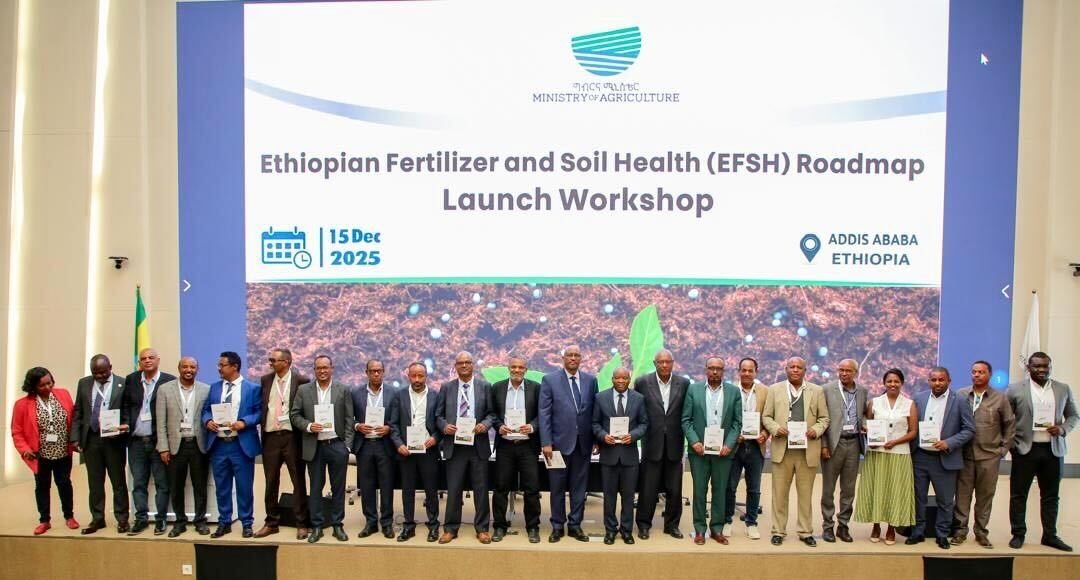
Through the Soil Nutrient Roadmap (SNR) program, locally referred to in Ethiopia as the Soil Nutrient Program (SNP), Development Gateway (DG) supported the development of the Roadmap. DG was appointed as a member of the Technical Committee/Working Group, a role that positions us not merely as a project implementer but as a strategic partner in the national policy process. This appointment is significant as it ensures direct alignment between DG’s and SNP’s activities with government priorities.
During the Roadmap working phase, DG supported the content development, facilitated consultative workshops, and contributed to structuring key performance areas, institutional responsibilities, and actionable timelines. During the implementation of the Roadmap, DG supported the analysis of strengths, weaknesses, opportunities, and threats (SWOT)s, and prepared financial planning materials for short-term, mid-term, and long-term periods – all integral parts of the roadmap. The SWOT analysis provided a foundational background for the roadmap, with the financial planning component intended to guide its implementation.
What the Roadmap Sets Out to Achieve
The goals of the 10-year strategic framework of the Soil Fertility and Health Roadmap extend beyond yield gains to propose a systemic shift in how soil is managed, valued, and governed. Key objectives include:
- Promoting integrated soil and nutrient management
- Strengthening soil information systems
- Improving extension services
- Enhancing fertilizer policy and regulation
The Roadmap also emphasizes the importance of research, innovation, and capacity building to support long-term institutional learning.
Development Gateway’s Contribution through SNR/SNP
Our role has been grounded in a long-term partnership with the MoA and a commitment to government-led reform. The Roadmap is organized around several priority areas, each accompanied by concrete action items assigned to corresponding implementing institutions. Engaging with these priorities is the helps identify areas of alignment with existing SNR/SNP activities. As a strategic reference point, the Roadmap also guides continued long-term investments and collaborations with the Ministry.
The SNR/SNP program responds to the challenge of soil degradation and nutrient inefficiency by equipping governments and partners with tools to quantify needs, prioritize interventions, and guide evidence-based investments. To support implementation, SNR adopts a structured three-part process: diagnose nutrient gaps, design prioritized solutions, and sequence implementation pathways aligned with national ambition. The aim is to create:
- A technical framework with models and tools to prioritize action;
- A dashboard that allows users to simulate and compare national scenarios; and
- Progress indicators that help track results over time.
During a recent progress update meeting, the State Minister of Natural Resource and Development Sector of the MoA, H.E. Prof Eyasu Elias, acknowledged the role of SNR in helping to translate elements of the Roadmap into early-stage, practical implementation steps. This recognition underscores the importance of moving from strategic policy documents into visible, actionable outputs that build institutional confidence in long-term planning processes.
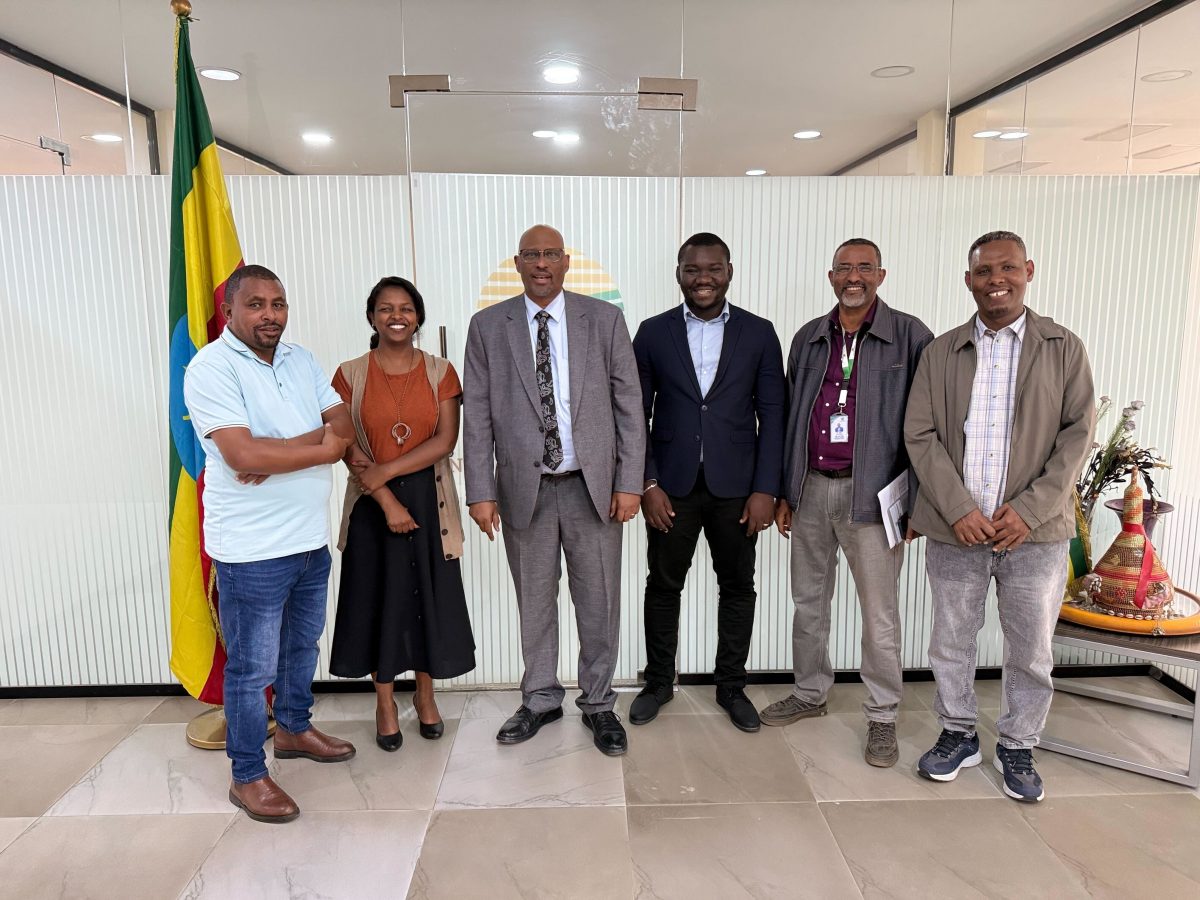
Co-Designing the SNR/SNP Dashboard
Looking ahead, the success of Ethiopia’s Soil Fertility and Health Roadmap ultimately depends on sustained political will and commitment, adequate financing, and continuous institutional learning. Key priorities for the next phase include establishing robust monitoring systems, securing long-term financing mechanisms, strengthening regional implementation capacity, and institutionalizing soil data systems within government structures.
To support this, a key next step in operationalizing the Roadmap is developing the SNR diagnostic tool, which provides policymakers and planners with a structured way to test production scenarios, estimate nutrient requirements, and understand the financial and environmental implications of different fertilizer strategies. To ensure the tool responds to real institutional needs, DG will host an in-person co-design workshop with the MoA and affiliated institutions.
The workshop will bring together policy actors, technical experts, and data users to jointly define priority indicators, user requirements, and practical use cases. Rather than imposing a predefined tool, the co-design approach allows stakeholders to shape the model’s structure, functionality, and governance. This process is expected to strengthen ownership, enhance usability, and embed the dashboard within existing policy and planning workflows.
For Development Gateway, the next phase involves continuing to support government-led implementation, refining technical tools, and documenting lessons learned. The experience in Ethiopia demonstrates that when national leadership is combined with collaborative governance and transparent decision-support tools, long-term strategies can move beyond policy rhetoric and begin to shape durable institutional systems.

Preparing Jordan’s Education System for the AI Age
Global education is at a crossroads: 250 million children and youth are out of school, and around 70 percent of 10-year-olds are unable to read and understand a simple text, a sharp increase since before the pandemic. Early grade education (EGE) is critical to reverse these trends, as it sets the foundation for children’s lifelong learning, cognitive development, and future opportunities, making it a cornerstone of national prosperity. The early years (birth through age 8) are marked by rapid brain development in young children, underscoring the urgency of investing in quality early learning. Research in various contexts, including studies referenced by UNESCO, suggests that EGE provides a 13% return through improved health and social cohesion.
Jordan has taken important steps in recent years to strengthen early grade education – which is referenced as a priority within its national economic modernization vision – including curriculum reform, teacher training, and the rollout of e-learning platforms. Education Reform for the Knowledge Economy programs (ERfKE I and II) and other ongoing education sector reforms have contributed to the country’s high primary school (grades 1-6) enrollment rate of 98-99%, positioning it in the upper-middle range of the MENA distribution for primary enrollment. Within this context, the Early Grade Education Activity, Asas (“foundation” in Arabic), is an IREX-led program, funded by the U.S. Embassy in Amman, and supported by Development Gateway: An IREX Venture (DG) and other consortium partners that is strengthening pre- and in-service teacher education while improving Kindergarten to Grade 3 foundational literacy, numeracy, and socio-emotional skills across Jordan.
Within ASAS, DG is supporting the development of a comprehensive data-informed environment that gives universities, teachers, schools, and the government the data and data governance policies needed to improve student learning across the entire country. For example,
- DG supports Jordanian university partners by developing data systems and dashboards that strengthen accreditation, institutional improvement, and support for student teachers.
- DG also works with IREX to integrate data on teachers’ professional development, career progression, classroom observation scores, and school performance into interoperable systems that can generate teacher and student “report cards.” These tools give decision-makers a clearer picture of where teaching is most and least effective and guide targeted and differentiated interventions.
- At the national level, DG supports IREX’s policy work by advising on data governance policies, with a focus on managing sensitive early grade data responsibly and securely.
Cutting across this data-informed environment is ongoing work to explore how ‘AI-ready’ the Jordanian early grades education system is, balancing AI’s powerful new ways to aggregate and analyze education data while addressing concerns about negative impacts on critical thinking, creativity, and equity.
What Meaningful AI Readiness Looks Like
There is a global race underway to develop AI tools. While education technology firms are developing AI-enabled features, students themselves are already bringing AI into the classroom. According to a 2025 report from HP, 61% of students are already using generative AI. The impact of AI on student learning and career preparation demands a shift toward a secure, responsible, and effective AI implementation that centers on core educational outcomes rather than a tools-first approach.
Cameron Mirza, Director for Asas at IREX, speaking at Times Higher Education’s Arab Universities Summit in Jordan, cautioned that universities’ “fear of missing out” on AI may be driving rushed decisions that overlook the financial sustainability of their AI models, leading to money being spent poorly. Universities must also confront whether they have the infrastructure needed to ensure equitable access. As Nader Sweidan, a digital transformation expert at Al-Ahliyya Amman University in Jordan, notes, “only about 45 percent of students [here] have consistent access to the kind of internet service that AI applications require.” Realizing the desired impact of AI for Education is about more than just selecting the right tools and skills, it is further shaped by the use of strong data systems, alignment with policies and objectives for digital sovereignty, and the recognition and reinforcement of trust building between teachers and students.
Impactful AI systems require strong data systems that are representative, reliable, and well-governed. DG’s Guide for Education Technology Systems underscores the importance of robust Education Management Information Systems (EMIS) and Learning Management Systems (LMS) as complementary pillars of a modern education ecosystem. EMIS platforms support ministries with planning, monitoring, and resource allocation, while LMS platforms enable design, delivery, and assessment of teaching and learning – including through AI-enabled features – and when integrated, they can connect student-level performance data with system-level policy decisions. This perspective has shaped our approach to the implementation of the AI Accelerator in Asas, where we are emphasizing high-quality, sustainable data pipelines as a prerequisite for responsible AI adoption rather than an afterthought.
Digital sovereignty is another critical construct for AI readiness efforts to consider. DG has a long track record of prioritizing open-source solutions as a technology preference wherever feasible. As we have recently written about in our Digital sovereignty and open source: the unlikely duo shaping DPI blog, open-source technologies can help countries assert sovereignty over their digital infrastructures by avoiding proprietary lock-in and increasing transparency over system architecture.
Finally, one lens too often neglected in the current rush to adopt AI tools for education is the need for preserving and strengthening trusted student-teacher connections. While digital and physical infrastructure are critical, relationship building is equally essential: strong, trusting student‑teacher relationships create the psychological safety students need to participate, take risks, and truly learn. In an AI‑enabled world, this human connection is the teacher’s irreplaceable value, turning content into real learning and schools into genuine communities.
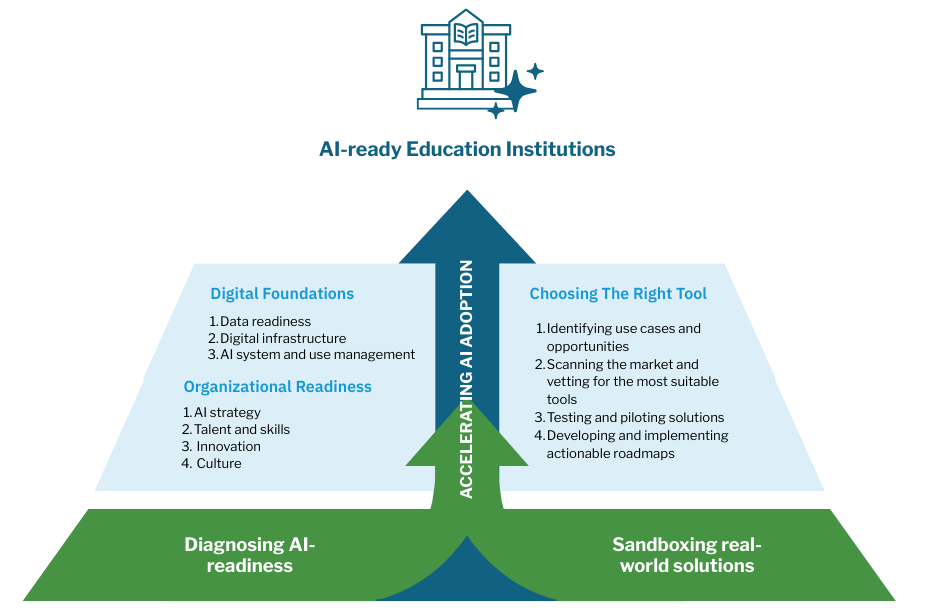
Introducing the AI for Education Accelerator Program
Working in partnership with the Jordanian Ministry of Education (MoE), IREX, and DG are conducting a national AI readiness diagnostic assessment. The assessment will inform education policy and decision-makers on how prepared the Jordanian early grades system is to integrate AI safely, sustainably, equitably, and effectively.
The assessment is based on IREX and DG’s new AI for Education Accelerator program. The Accelerator is built on two interlinked foundations:
- First, an AI readiness diagnostic assessment – implementable at both the ministry and university or school level – assesses organizational readiness (strategy, skills, innovation culture) and digital foundations (data readiness and governance, infrastructure, AI management and stewardship). This assessment integrates two complementary data collection tools: 1) a Teacher and Parent Survey of 5,000 early grades teachers and 400 parents of early grades students, and 2) in-depth Key Informant Interviews (KIIs) with ministry officials, field directorates, school leaders, and other stakeholders. Together, these tools provide both quantitative and qualitative insights on current AI use, perceived opportunities and risks, needed training and safeguards, and system-level readiness. They offer a comprehensive, system-wide view of AI readiness in Jordan’s education sector and provide an evidence base to develop an ambitious-but-achievable strategy for responsible, effective, and sustainable AI adoption.
- Second, a bespoke AI sandboxing process supports universities and schools to identify use cases, scan the global AI market, prototype shortlisted tools (or scope the development of new tools where gaps exist) that fit with the local context in safe staging environments using synthetic datasets, and develop actionable roadmaps to implementation.
The accelerator is being implemented in full partnership with the MoE. The process is being guided by a steering committee composed of representatives of a number of MoE departments, and MoE staff are actively involved in data collection, including through both engaging in interviews and supporting the piloting and roll-out of the survey. As the assessment progresses, MoE staff and education experts will be actively involved in the data analysis phase of the process, too.
This approach recognizes that sustainable implementation of AI in education systems is not about chasing the newest tool, but about ensuring leaders understand and trust AI’s potential while having the governance structures, skills, values, culture, and technical capacity to oversee and implement AI responsibly to generate cost-effective improvements to EGE delivery.
Accelerating Impact in Education in Jordan and Beyond
Looking ahead, we will continue working with Jordan’s Ministry of Education to complete the AI readiness diagnostic, with the intention that findings will guide strategic AI integration in early grade education for years to come. In parallel, we plan to implement the Accelerator program with our university partners, supporting them to identify and test AI use cases in teacher education, student support, institutional administration, faculty development, quality assurance and other priority areas.
Our work on AI in the Jordanian education system also feeds into our broader work on digital public infrastructure (DPI), where we are focusing on strengthening data exchange architectures and governance. Implementing AI readiness assessments and sandboxing in Jordan offers real-world evidence on how automation can be effectively, safely, and sustainably integrated into complex education data systems – evidence and experience that is directly relevant to inform our engagements in global DPI conversations.
Optimizing the impact — and insulating against the very real risks — of AI for education takes a rigorous, holistic, and adaptive approach to understanding educational institutions and the children and communities they serve. These tools and methods are being developed with adaptation in mind. and we are actively discussing collaboration with Universities in the region, and across West, East, and Southern Africa. By linking foundational early grade reforms, robust data systems, and a pragmatic, sovereignty-aware approach to AI, Jordan offers a practical blueprint for how education systems in lower- and middle-income countries can prepare for AI in ways that are safe, ethical, and aligned with national priorities.

Beyond the Algorithm: The Case for Human Judgment in AI
Currently, we are hearing that artificial intelligence (AI) will change everything that we do, from classrooms to how we get health care, how we harvest crops, and how we distribute fertilizer. Some are asking a simple question: how do we make these tools genuinely useful, ethical, and sustainable? As we try to keep pace with the advancements and figure out what is “smoke and mirrors” versus what is a genuine application, we believe that there’s no approach that removes the human in the loop (HITL). At least for now.
Human-in-the-loop generally refers to “the need for human interaction, intervention, and judgment to control or change the outcome of a process, and it is a practice that is being increasingly emphasized in machine learning, generative AI, and the like.” In practical terms, it means that human intelligence is deliberately included in the supervision, training, and decision-making rather than leaving it to an automated algorithm.
Why include humans?
There are many arguments for including humans in the loop; here are the most salient:
- Improvements in decision quality because humans can apply domain expertise, contextual understanding, and common sense to AI recommendations to catch what edge cases the AI misses (e.g., nuanced scenarios where human empathy is required to override standard protocol)
- Ethical oversight and accountability: decision-making systems do not have the capacity to exercise moral judgments; there has to be some form of safeguard against discriminatory or harmful automated decisions.
- Transparency: humans can explain decisions, adjust workflows, and take feedback, things that black boxes can’t do.
- Learning from experience remains a fundamentally human feature; machines learn patterns, while genuine human learning means internalizing lessons and changing behavior reliably over time. Machines may adjust to feedback, but people can truly embed and sustain change.
As the AI space grows rapidly, the need for human-in-the-loop interactions remains crucial, particularly as AI becomes more autonomous and the impact of its decisions bigger. Human oversight is needed to ensure that AI agents adhere to ethical boundaries, correct system failures, and maintain alignment with human objectives. The risk of a runaway or misaligned agent necessitates the stopgap that having a human in the loop provides.
What are the downsides?
As with everything, there are sponsors and detractors for any given approach. The main argument against having humans perform too many verifications is obviously speed; human interactions introduce latency and throughput limits to processes that may not necessarily be critical, and of course, all the costs associated with training people to verify the work accordingly. A deeper critique of HITL is that humans may fall into the illusion of accountability, overtrusting the AI and doing a bad job at the verification, falling into the comfortable assumption that the AI is mostly right for processes that should not tolerate negligent mistakes, as well as omission errors by failing to notice errors that the system doesn’t flag.
These dynamics may mean that simply adding a human won’t guarantee that the outcomes are better, since even highly skilled people can make mistakes. Additionally, some processes are inherently complex, and the human may just not understand the process enough to be able to meaningfully intervene.
Where do we go from here?
Our 25 years of experience with public sector digital development has us thinking particularly about how public sector agencies will navigate this new age, in particular, how they can develop, adopt, and scale AI that includes HITL. Additionally, as outlined in our thinking here, we are building an assessment technology in Jordan to frame AI responsibly, with human-in-the-loop in mind, to demystify how AI can be practically integrated into national systems to drive development outcomes.
Based on our prior experience, we’re looking at the age of AI and what needs to be cleared for adoption:
- Thinking through use cases and evaluating technology against use cases
- Licensing and how data is going to be used
- For Low- and Middle-Income Countries (LMICs), what downstream delivery bottlenecks need to be addressed?
Internally, we’re also thinking through AI and its impact on the humans, our software developers, within the software cycle. We think the impact of AI on the software engineering field is a bellwether for how we should collectively think about its impact on labor, development, and growth. Watch this space for how we talk about this in the coming months.
—
AI and Human-in-the-loop together improve quality, ethics, and trust only when humans have time, context, and authority to disagree with the machine, and when processes are built to capture and learn from their feedback.
AI, as it is now, holds the promise of addressing several of our long-standing problems when developing software that’s sustainable, but at least for the time being, and unless a new breakthrough is achieved, humans will have to stay in the loop.

Data on Youth and Tobacco in Africa Program Enters Phase II
Launched in November 2022, DaYTA pioneered the first-ever nationally representative household surveys on tobacco and nicotine product use among adolescents aged 10–17 in the Democratic Republic of the Congo (DRC), Kenya, and Nigeria. These groundbreaking studies uncovered vital insights into adolescent tobacco use patterns, enabling policymakers, advocates, and researchers to better understand the risk this poses to Africa’s youth. The DaYTA program builds on the successes of the Tobacco Control Data Initiative (TCDI), where we partner with governments and civil society to collect, aggregate, analyze, and visualize existing and new tobacco control data. Utilizing country-specific platforms to present this data and to share the latest research and findings on tobacco control, TCDI websites have become trusted resources for policymakers, advocates, and researchers working to curb tobacco use.
Through TCDI, it became apparent there was a vast gap in data collected on youth tobacco use in Africa, which the DaYTA program has since been hard at work to fill. You can learn more about the data collection process of DaYTA’s first phase here, as well as check out the interactive TCDI portal here. In this blog, we’ll highlight DaYTA’s objectives, innovative approach, and the key activities we’re pursuing to drive impact in adolescent tobacco control measures across focus countries.
How DaYTA Transformed Adolescent Tobacco Data
Over the past three years, DaYTA has worked to ensure that data on adolescent tobacco and nicotine use in Africa is accurate and up-to-date. Prior to DaYTA’s inception, most available information on youth tobacco use in Africa came from school-based surveys conducted more than a decade ago. This resulted in major blind spots, including a lack of statistics on out-of-school adolescents, emerging nicotine products, and the rapidly shifting landscape of tobacco use across the continent. In our first phase, we broke new ground by conducting the first-ever nationally representative household survey on tobacco and nicotine use among adolescents aged 10-17 in the DRC, Kenya, and Nigeria. Across these three countries, we investigated key variables such as tobacco use prevalence and multi-level factors (e.g., individual- and household-level) associated with all forms of tobacco use, including smoked and smokeless tobacco products.
Our first phase of DaYTA delivered three major outputs: (i) country-specific research reports, (ii) a comparative analysis with its own report, and (iii) interactive Youth Prevalence pages hosted on the TCDI websites for DRC, Kenya, and Nigeria.
Added to this, three of our articles were published in peer-reviewed journals:
- Prevalence and determinants of tobacco use in 53 African countries: Evidence from the Global Youth Tobacco Survey (Addictive Behaviors Reports)
- Tobacco and nicotine product use among adolescents in Sub-Saharan Africa: protocol for a cross-sectional multi-country household survey (Frontiers in Public Health)
- What are the factors associated with alcohol, cigarette and marijuana use among adolescents in Africa? Evidence from the Global School-based Health Survey (British Medical Journal Open)
DaYTA’s approach distinguishes itself from other global adolescent tobacco surveys in three significant ways:
- Standardized yet locally rooted approach: Drawing on global best practices and existing surveys, we worked hand in hand with stakeholders from Ministries of Health, Education, and Youth, along with advocacy groups and adolescents themselves, to ensure the survey was both globally rigorous and locally relevant.
- Accurate mapping of the new and emerging tobacco landscape: Beyond traditional smoked tobacco products such as cigarettes, the survey included questions on the use of heated tobacco, e-cigarettes, and nicotine pouches – products that have never before been captured at a national scale in Africa. Given our exhaustive coverage of products, our data paints a fuller picture of youth tobacco use, filling notable gaps in existing datasets and answering governments’ most pressing questions.
- Broader reach of youth population: Unlike school-based surveys, our household-based approach reached both in- and out-of-school adolescents, who we have confirmed have the highest prevalence of tobacco use in all three countries surveyed. Our survey further included adolescents as young as 10 years old, expanding the age-range utilized by previous surveys.
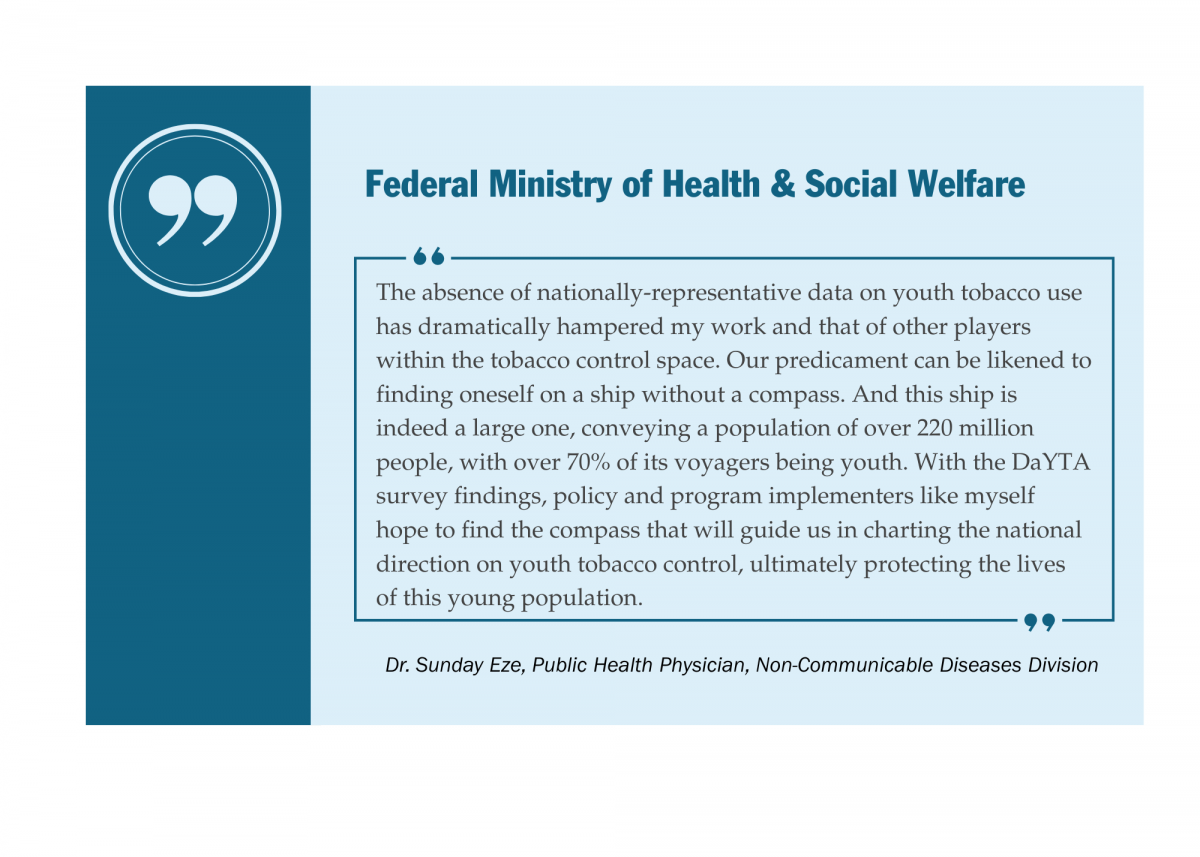
DaYTA Phase 2
Following the strong reception of the DaYTA survey and growing demand from advocacy and policy groups, we are now launching the program’s second phase, expanding the approach to five additional countries: Côte d’Ivoire, Namibia, Sierra Leone, South Africa, and Zambia.
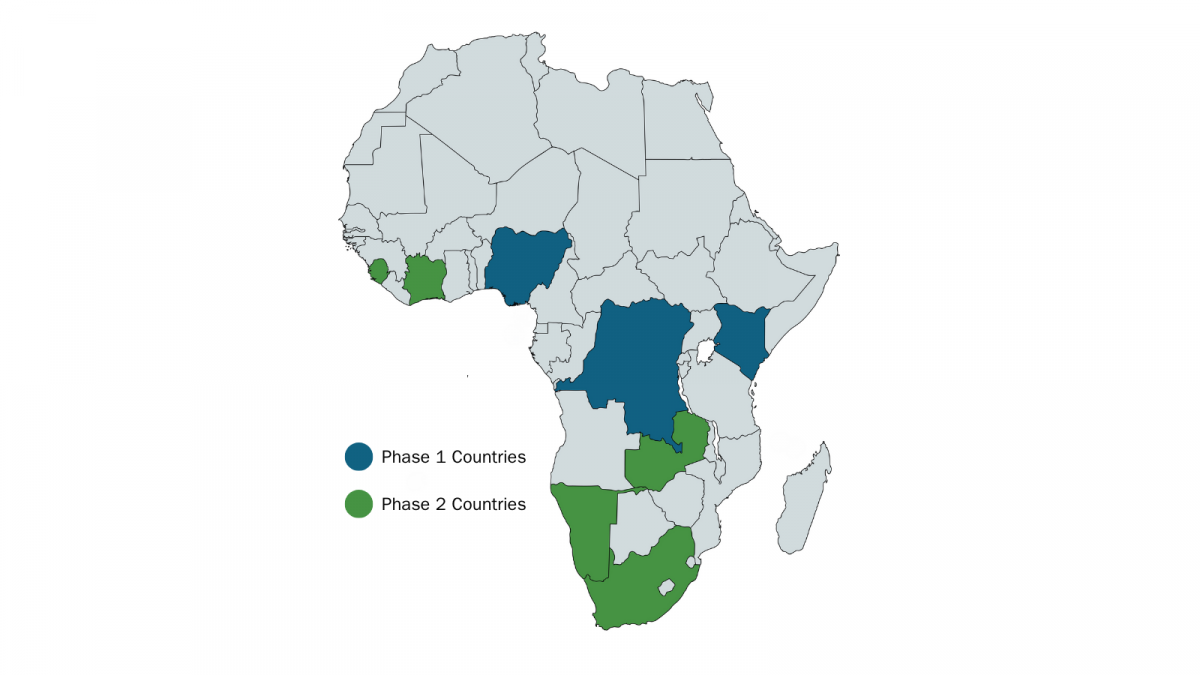
This second phase will focus on deepening engagement with key stakeholders – such as governments, research institutions, and youth advocates – to build trust and pinpoint remaining critical data gaps. Together, country teams will review the DaYTA methodology, confirm core questionnaire modules, and adapt optional modules to fit local contexts. Workshops will showcase how the survey addresses the identified data gaps, ensuring strong buy-in. In the first phase of DaYTA, the focus countries not only embraced the core content of the survey but also opted into all optional modules, underscoring enthusiasm for and broad support of the program. We hope to replicate this in future implementations as we expand to additional countries.
To ensure consistency across diverse settings, data collection will be conducted by local research firms, utilizing strengthened digital and quality assurance protocols, such as built-in digital checks coupled with independent review. This refined process will not only enhance data reliability but also enable meaningful cross-country comparisons and insights that connect and expand upon the findings from DaYTA’s initial phase.
When it comes to the dissemination of research, DaYTA’s findings won’t just sit in reports; they’ll be made accessible, visual, and actionable. We’ll share findings through the TCDI country websites, incorporating new youth-focused data and visualizations.
In the second phase of DaYTA, we will further build on the success of our pilot journalist training project, conducted in partnership with Nigerian NGO Renevlyn Development Initiative, and expand these activities to our additional focus countries. In the pilot, we provided training on tobacco control reporting to 20 DRC-based journalists, with the objective of equipping them with the skills to engage media outlets early, thereby speeding up the process of amplifying key findings. This will prove especially critical in countries with limited civil society presence, such as Namibia.
Harnessing AI
DaYTA’s second phase will also introduce a bold new AI workstream, aimed at exploring how artificial intelligence can be best used to transform our user experience, such as through engagement with new and existing dashboard content.
Through leveraging AI, we aim to make our tobacco control data more accessible, engaging, and actionable. Our objective is to co-design an AI-driven tool that draws on the expertise of tobacco control policymakers, researchers, advocates, and public health practitioners. By training the AI tool on this expertise and integrating it seamlessly into ongoing decision-making processes, we hope to create a solution that not only enhances usability and engagement but also addresses information overload as content grows. While we’re still in the preliminary design stages, our approach will mirror the rest of the program: high-quality, co-designed, and user-focused.
DaYTA’s Regional Leverage
As the influence from the tobacco industry increasingly crosses borders, regional alignment has become essential to closing policy gaps that weaken national tobacco control efforts. DaYTA’s geographic expansion and close integration with the TCDI make us uniquely positioned to drive impact beyond individual countries, thereby strengthening tobacco control across Africa’s Regional Economic Communities (RECs). With implementation spanning the Western, Southern, and Eastern African RECs and beyond, DaYTA and TCDI together form a robust regional evidence network. Their shared evidence base and comparable methodologies create a foundation for harmonized policy dialogue, enabling stakeholders to identify cross-border trends, align regulations, and address shared challenges such as illicit trade, youth access, and new and emerging tobacco and nicotine products.
For DaYTA Phase 1 countries (Kenya, DRC, and Nigeria), we envision our data and survey findings being actively used to improve national enforcement efforts that deter youth initiation and ultimately prevent tobacco-related illness and death. Although all countries prohibit the sale of tobacco to minors, adolescents continue to access these products with ease. While specific enforcement barriers vary by context – from retailer non-compliance and informal markets to gaps in community-level monitoring and limited cessation support for young people – these differences underscore the value of DaYTA’s comparable, cross-country evidence that sheds light on country-specific implementation gaps. Our stakeholders have also emphasized the need for cessation programs designed specifically for young people, reinforcing the demand for coordinated, evidence-based interventions.
By engaging government, civil society, and advocacy partners across multiple RECs, Development Gateway aims to translate DaYTA’s insights into regionally coherent strategies that strengthen health governance and protect young people from tobacco harms. In doing so, DaYTA moves from generating national data to shaping a coordinated regional response, transforming evidence into a catalyst for systems change across the continent.
Stay tuned for more about DaYTA’s second phase!
Interoperability as a Cornerstone of Resilient Digital Systems
How many apps do you have sitting unused on your phone – once downloaded to meet an urgent need but since then left unused? If you needed them again, would you even remember they were there?
Now, imagine your phone is a government system, and those apps are digital solutions meant to address public service challenges. Over time, as more platforms, dashboards, and tools are introduced, they pile up in silos: disconnected, hard to navigate, and ultimately less effective at delivering long-term impact for the people they were designed to serve.
Governments, the private sector, and NGOs have more digital tools and data at their fingertips than ever before, yet much of it remains untapped, underutilized, or completely unused. Trapped in silos, these data cannot be effectively leveraged to drive evidence-based decision-making or improve public services. Beyond limiting the sustainable impact of these solutions, siloed systems also hinder AI readiness and reduce the value data could add to digital public infrastructure (DPI) – both of which depend on interoperability and open data flows to achieve digital transformation.
At Development Gateway: An IREX Venture (DG), interoperability is central to how we approach digital transformation and design solutions that remain useful and usable long after the lifecycle of a program. In this blog, we unpack what interoperability means to us, drawing on insights from our ‘a Livestock Information Vision for Ethiopia’ (aLIVE) program, before highlighting why interoperability is more needed than ever before.
Solving Data Silos in Africa: Insights from aLIVE
DG has a long history of developing and implementing interoperable digital solutions across a wide range of sectors in Africa. Drawing on Steele and Orrell’s 2017 definition of interoperability as “the ability to join-up data from different sources in a standardized and contextualized way,” we see it as the most effective pathway to transform siloed systems into integrated ecosystems while safeguarding data sovereignty and ensuring local ownership.
But solving data silos is not just a technical challenge. As we‘ve seen in Ethiopia through our aLIVE program, it requires building trust among stakeholders, aligning global best-practices with local priorities, and designing systems to last past a program’s lifecycle. In other words, interoperability is as much about people and processes as it is about technology.
Through aLIVE, we are working with Ethiopia’s Ministry of Agriculture to strengthen the country’s livestock data ecosystem. Rather than layering yet another digital tool on top of existing platforms, the program focuses on connecting what already exists; standardizing livestock data to ensure systems can “talk” to one another. This makes data more usable and timely, while simultaneously fostering a shift from fragmented reporting to collaborative, evidence-based planning and stronger service delivery.
Some key insights from aLIVE’s work in Ethiopia’s livestock sector include:
- Build trust first: Interoperability depends on collaboration, not just between different systems but among the people involved, too. By bringing government agencies and technical experts to the same table, aLIVE has opened a space for dialogue, transparency, and shared ownership of solutions.
- Prioritize the local context: While global standards provide guidance, they only succeed when rooted in local priorities. aLIVE’s co-design process ensures the digital solutions put forward are practical, relevant, and usable within Ethiopia’s unique context.
- Design for sustainability: Technology is only as strong as the ecosystem that supports it. By investing in capacity building – training system owners and data users on how to get the most out of the standardized livestock data – aLIVE is ensuring that the improvements in livestock data will outlast the program itself.
Together, these insights show that interoperability is not only about connecting technical systems, but also about empowering the people and processes behind them to work toward achieving shared goals. By embedding trust, local ownership, and sustainability into its design, aLIVE demonstrates how data silos can be transformed into interoperable ecosystems that strengthen decision-making, improve service delivery, and prepare systems for the future.
It is through ensuring that systems are future-ready that interoperability further sets in place the foundations for AI readiness. With interoperable livestock data, Ethiopia can harness AI tools to predict disease outbreaks, improve food security, and strengthen climate resilience. And because livestock data connects to wider systems – trade, public health, environmental management, and economic planning – it becomes part of the country’s broader digital public infrastructure (DPI). In this way, aLIVE is not only transforming Ethiopia’s livestock data systems but also contributing to a stronger, more resilient digital foundation for the country as a whole.
Why Interoperability is More Needed Than Ever Before
The funding freeze from USAID and other US government agencies in early 2025 sent shockwaves through the international development sector. Its immediate effects were devastating: 34,880 metric tons of emergency food aid bound for Ethiopia sat rotting in shipping containers off the coast of Djibouti, while more than 20 million people worldwide lost access to life-saving HIV treatment and services.
But beyond these visible crises, the longer-term systemic consequences may prove just as damaging. The sudden halt of humanitarian projects destabilized fragile data ecosystems, disrupted data collection efforts, and undermined many of the digital systems that governments and NGOs rely on to deliver essential services. While less headline-grabbing than the rotting of emergency food aid or interruptions to lifesaving treatments, the erosion of data for service delivery is a hidden systemic crisis – one with the potential to weaken development and humanitarian efforts for years to come.
This moment underscores why interoperability is more important than ever. As aLIVE demonstrates in Ethiopia, interoperable data systems are not just about connecting platforms, but about ensuring that countries can build resilience, harness AI, and extend the value of their data across multiple sectors. In the face of funding volatility, interoperability becomes a safeguard against systemic fragility, helping countries sustain service delivery even when donor support diminishes.
Disruption also creates opportunity. The withdrawal of funding has highlighted the need to move away from historic overreliance on external funding toward more country-led, localized, and whole-of-system approaches. As our CEO, Josh Powell, along with the CEO of Results for Development, Gina Lagomarsino, and the former CEO of Global Partnership for Sustainable Development Data, Claire Melamed, wrote in a recent blog on the data crisis following USAID’s withdrawal, interoperability can be a powerful vehicle for achieving this form of digital transformation.
At this moment of uncertainty for the international development sector, interoperability should not be an afterthought, but a cornerstone for ensuring digital resilience. By enabling open data flows, strengthening local ownership, and embedding sustainability into design, it offers a path for countries to withstand funding shocks, protect sovereignty, and drive long-term digital transformation.
***
Read our white paper titled ‘Demystifying Interoperability, which discusses in practical terms what goes into implementing interoperable solutions in partnership with public administrations.

Why Africa Will Define the Next Decade of Digital Public Infrastructure
A reflection by three DG colleagues across country implementation, partnerships, AI, Data Governance and Strategic Communications
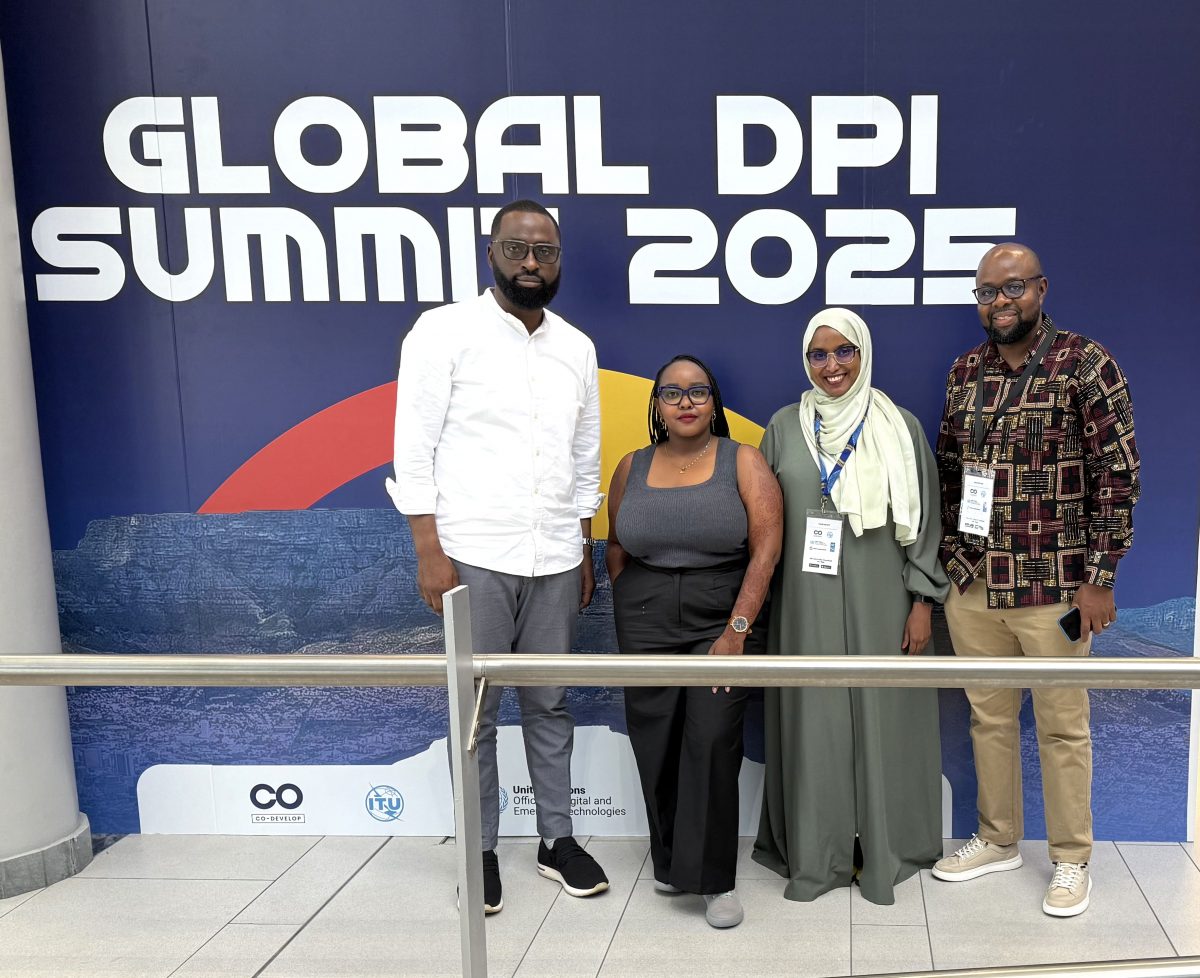
The conversation on Digital Public Infrastructure (DPI) is moving fast, and this was clear during the three-day Global DPI Summit in Capetown, South Africa, in November 2025. The vision was bold: a future where identity, payments, and data exchanges unlock development at scale. As highlighted by the CEO of Ekstep, Shankar Maruwada, during one of the side events on AI and DPI at the Summit, language is powerful, and shared vocabulary across stakeholders ensures alignment among technologists, policymakers, implementers, and funders. This is most visible with the DPI conversation, where language adoption has brought together various stakeholders at the global level, and the narrative is now shifting from high-level frameworks to one where countries are now looking at tools, governance models, and partnerships that support actual service delivery.
While the energy now feels different with this Summit, we also sensed a growing tension. DPI is gaining endorsement from governments, philanthropists, multilaterals, and private-sector actors, but remains deeply complex. As colleagues based in Africa and working across different countries, in digital transformation, data governance, AI, interoperability, partnerships, policy, and communication, this is the space where we have quietly been working for years. This piece reflects what resonated, what challenged us, and where we think the conversation must go next.
1. The Conversation Has Shifted: From Idealism to Implementation Reality
From the Summit, it was clear that there was a sense of urgency to move towards implementation and ensure that DPI works for countries and serves citizens. Panel discussions showcased country examples but also asked difficult questions: how do we finance and maintain DPI sustainability? How do we move fast and avoid vendor lock-in? How do we ensure interoperability?
The 50-in-5 Campaign is growing and is now in 32 countries. We saw concrete commitments such as the 10-year Public Private Partnership (PPP) model (Palestine) and production-grade systems replacing pilots. This symbolizes a collective appetite towards implementing DPI and making it work. The conversation on implementation also brought in the messier reality of implementing DPI, moving us away from concepts and rhetoric. Political transitions, capacity (not only technical but strategic), ethics, and culture shape what is possible. This on-the-ground reality is where African experiences matter, as it brings a valuable realism to the global conversation and highlights the trade-offs that must be clear.
2. Trust and Inclusion: The Backbone of DPI
If there is one theme that came up in every session, it was trust. It was highlighted as a core building block to ensure that digital systems survive political cycles and earn public buy-in. The trust conversation was framed through various lenses at the summit – procedural (focusing on safeguards and regulation), operational (systems that work), and relational (where citizens believe the services provided will benefit them). A panelist from Kenya gave an example that illustrates this point: his 18-year-old son completed 80% of passport processing online using the eCitizen (a portal for government information and services), only to repeat biometric steps that he had completed for his national ID. This raises the question: why isn’t data that has already been collected used to improve service delivery? This is both a technical question on interoperability, but also a question of institutional trust and people’s risk comfort.
In Africa, perspectives on trust are especially important. This Research ICT Africa project highlights that DPI in African countries cannot be copied from other regions and cannot be separated from issues such as uneven access. Trust building must begin with understanding these realities.
3. Interoperability is Non-Negotiable but is Still Poorly Understood
It was great to finally see interoperability discussed as a non-negotiable, not a nice-to-have. This helps with making DPI more valuable. We heard examples of this in practice, such as the Inter American Development Bank’s tech platform, which supports digital integration across Latin America and the Caribbean by allowing citizens to access digital services with a single account across multiple platforms and countries. Similarly, the Government of Indonesia shared insights from its Government Services Liaison System, which is designed with auto-scaling capabilities. This allows the system to automatically increase capacity during spikes in demand, such as during the rollout of large public programs. As the country’s Director of Digital Government Application, Yessi Arnaz Ferrari noted, “This is exactly what allows us to grow from 65 agencies to 435 connected institutions, handle over 58 million data transactions this year, and still maintain about 99.9% uptime.”
Despite this, we noticed that many DPI initiatives shared as examples in the summit focused on digital ID and payments, and they are seen as more fundable and politically attractive. Data exchange remains the missing middle and is challenging to achieve. An example from Burundi on a data exchange system deployment highlighted issues around language barriers: French as the main platform language and local languages lacking technical terms, access limitation with only 40% of the population having smartphones, and some local offices hesitant to participate in integration across registries. We know from DG’s experience helping governments repurpose legacy systems, share data assets, and build data exchange mechanisms fit for interoperability that this invisible area is both hard to achieve and will be essential for DPI going forward.
Where does the conversation go from here, and what must the Global community learn?
As the global DPI movement moves from ‘what’ to ‘how’ and enters an operational decade, African experiences will determine what this decade looks like. As Dr James Mwangi, CEO of Equity Bank, noted at the Summit, Africa’s current 2-3% GDP contribution, despite accounting for 18% population share, is not a deficit but evidence of massive untapped potential that private sector-led DPI can unlock. He argued that Africa’s underdevelopment makes it the world’s biggest growth opportunity and emphasized that African capital must be deployed by Africans for African infrastructure rather than relying on grants and philanthropy. Most critically, he reminded the audience that by 2050, Africa will hold 42% of the world’s labour force, 2.6 billion people with a mean age of 18, and that with the right DPI foundation, this workforce can serve global markets from Africa, flipping the prevailing narrative on migration and dependency.
In our internal reflections, one analogy that sparked discussion was viewing DPI as a public good – similar to roads. The comparison helped us to surface questions about who funds, builds, governs, and coordinates systems so they serve the public interest. While real-world arrangements are often far messier and differ depending on context, the analogy was useful in highlighting risks around fragmentation and misalignment when coordination is weak.
Against this backdrop, DPI will not succeed in Africa on advocacy and branding alone. The continent will test assumptions, reveal blind spots, and ensure that innovation is practical and works for the people it aims to serve.
Notably, civil society voices were largely missing from the conversation. While some Open Government Partnership colleagues were part of the discussions, there is a need for more civil society and a wider range of government actors in this space as well. The narrative on speed, with some voices missing, risks overshadowing institutional readiness and leaving DPI deepening digital inequalities in countries, working to the disadvantage of the marginalised communities it also seeks to benefit.
The campaign may be ahead of the evidence around economic value and socio-technical realities, but research projects such as this by Research ICT Africa will ensure that DPI in Africa is grounded in real political economies and institutional incentives and works for the people it serves. This moves the conversation to the next stage, stepping away from “how do countries adopt existing DPI models” to “what does DPI need to succeed in African countries”? Communities of Practice and Informal Networks, such as ImNet hosted by Open Cities Lab, bringing together African DPI implementers, will ensure a coordinated approach amongst DPI implementers in support of inclusive economic opportunity, digital sovereignty, and improved public service delivery.
The global community has started to listen, and the continent’s realities on access, linguistic diversity, informal economies, and affordability challenges will bring clarity that global frameworks often overlook. On that front, Africa will define DPI on its own terms and show the world the way forward.