
The Future of Technology Governance and Global Development: Why DG Brought DataReady In-house

DG is excited to announce we now have more robust data governance advisory services with the recent integration of DataReady.
Stakeholder, Where Art Thou?: Three Insights on Using Governance Structures to Foster Stakeholder Engagement
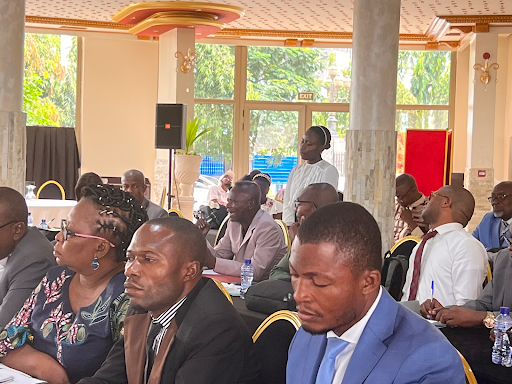
Through our Tobacco Control Data Initiative (TCDI) program and its sister program Data on Youth and Tobacco in Africa (DaYTA), we have learned that creating governance structures, such as advisory boards or steering committees, is one approach to ensuring that digital solutions appropriately meet stakeholders’ needs and foster future stakeholder engagement. In this blog, we explore three insights on how governance structures can advance buy-in with individual stakeholders while connecting them to one another.
Five Insights on Country-Led Digital Public Infrastructure Systems to Create a Cohesive Approach throughout Africa

Drawing from Development Gateway: An IREX Venture’s work in implementing country-specific digital solutions that support a cohesive approach across a given region or continent, we have identified five insights on how to go about implementing digital public infrastructure systems at the country-level while having a cohesive approach throughout Africa.
Letting the Sunshine in: Building Inclusive, Accountable, and Equitable Climate Finance Ecosystems
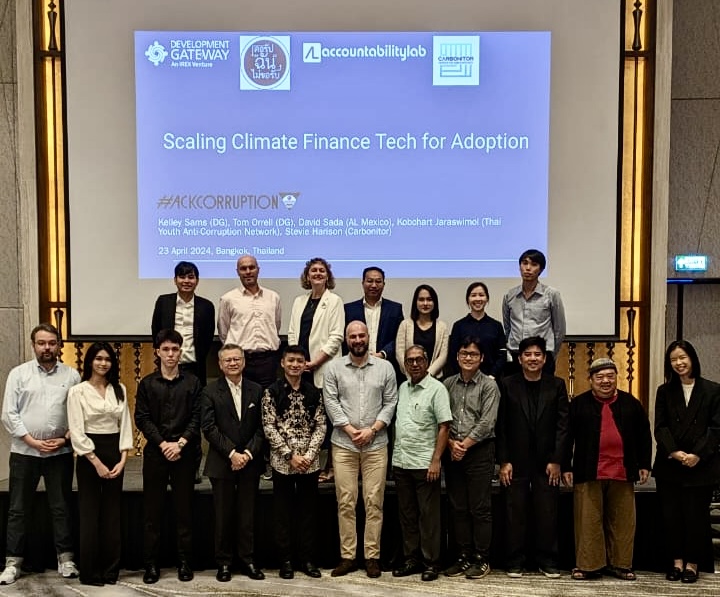
In April, DG, HackCorruption, and the Thai Youth Anti-Corruption Network hosted a roundtable in Bangkok to discuss climate financing. This blog explores the main takeaway: a multi-disciplinary and multi-stakeholder approach that prioritizes local contexts, inclusive governance, transparency, accountability, and equitable distribution of resources is essential to impactful climate financing.
Technology for a Stronger Democracy? Key Insights from the Third Summit for Democracy

During the recent Summit for Democracy in Seoul, South Korea, DG led a session exploring how national commitments to developing technology can strengthen democracy and combat corruption. From that conversation, we identified three insights on how to advance this essential work.
DG Developing Open Source AI Tool to Help with the Fight against Corruption
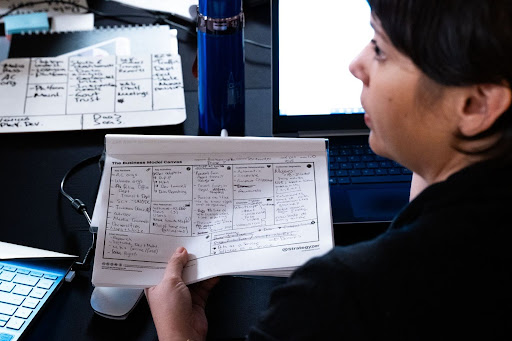
We’re excited to announce our forthcoming open-source AI tool to support anti-corruption work. The tool, which we hope to register as a Digital Public Good, will be used to extract text from complicated contracts and support anti-corruption efforts by increasing accessibility of and transparency around hard-to-access information.
Three “Hacks” in Advancing Anti-Corruption Work To Strengthen Accountability
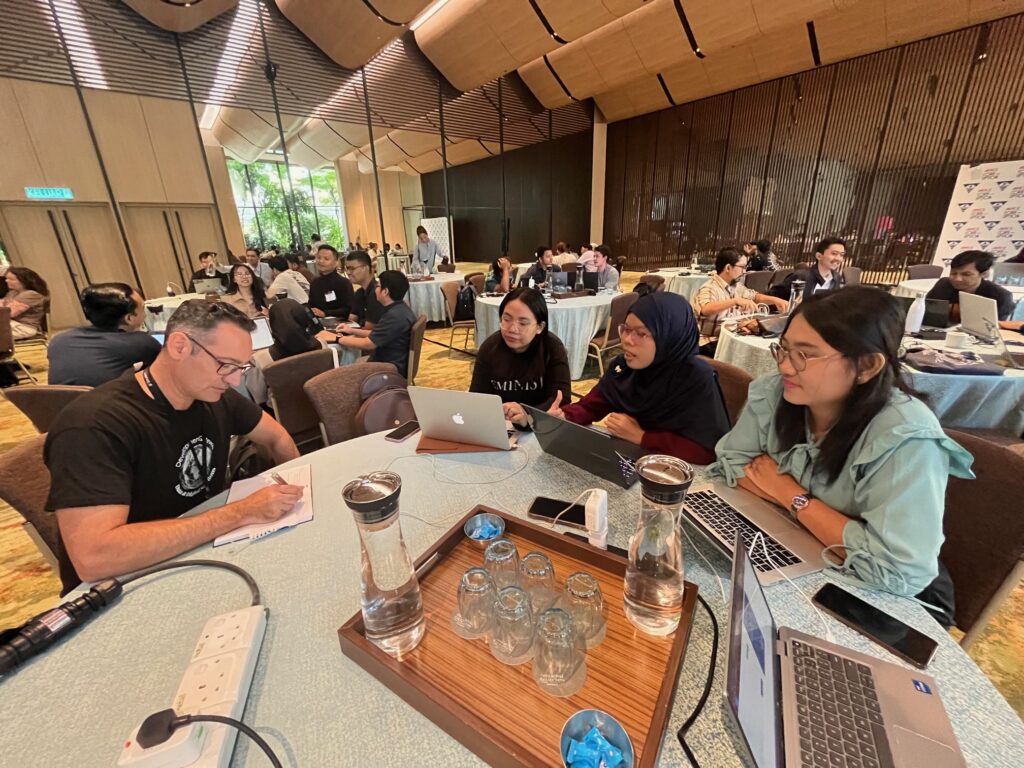
Since partnering with Accountability Lab (AL) on HackCorruption in 2023, staff from Development Gateway: An IREX Venture (DG) and AL have mentored teams from the hackathons hosted by the project, which is aimed at leveraging innovative digital tools to identify and fight corruption. After serving as the mentorship team for hackathon winners, DGers Gabriel Inchauspe and Kelley Sams, along with AL’s David Sada have identified three hacks in mentoring anti-corruption change-makers and ultimately, furthering transparency and accountability through the creation and use of digital tools.
Custom Assessment Landscape Methodology 2.0 – Reflections After Five Years

Our new white paper re-introduces our flagship methodology, Custom Assessment Landscape Methodology (CALM), to help our partners, collaborators, and teammates better engage with a flexible and adaptive assessment methodology.
Advancing Digital Public Infrastructure: Emerging Practices for Creating Sustainable, Inclusive Systems at Scale

From DG’s more than 20 years of experience in creating, delivering, and adapting open source and open data solutions, we’ve learned several best practices on how to make technology accessible and sustainable while prioritizing engagement from open source communities—these practices can be applied to building and implementing DPIs. In this blog, we’ll explore what DPI is, DG’s approach to DPI, and three best practices that can be used to ensure DPIs are effective and advance inclusion.