
Development Gateway Collaborates with 50×2030 Initiative on Data Use in Agriculture
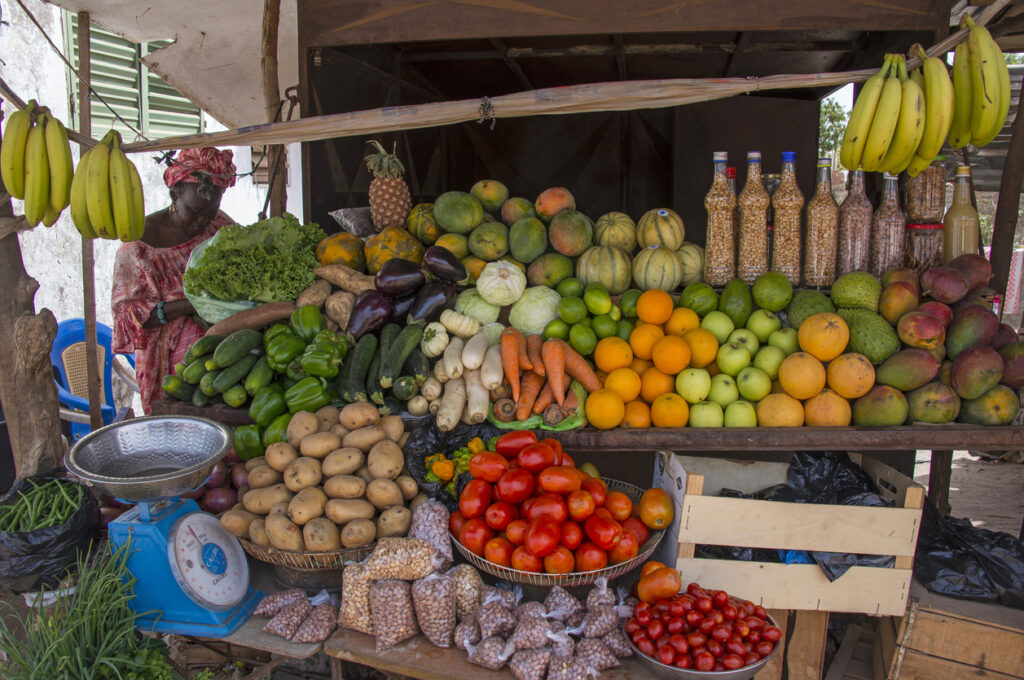
Development Gateway announces the launch of the Data Interoperability and Governance program to collaborate with the 50×2030 initiative on data use in agriculture in Senegal for evidence-based policymaking.
The Need for Health Taxes to Raise Revenues
With aid declining and fiscal pressures rising, countries face widening gaps in funding essential services. This blog explores how health taxes can help bridge the gap, drawing on insights from DG, TJNA, and WHO at the Financing for Development Conference.
Shared Struggles, Shared Solutions: Education and Cross-Sector Data Use Insights
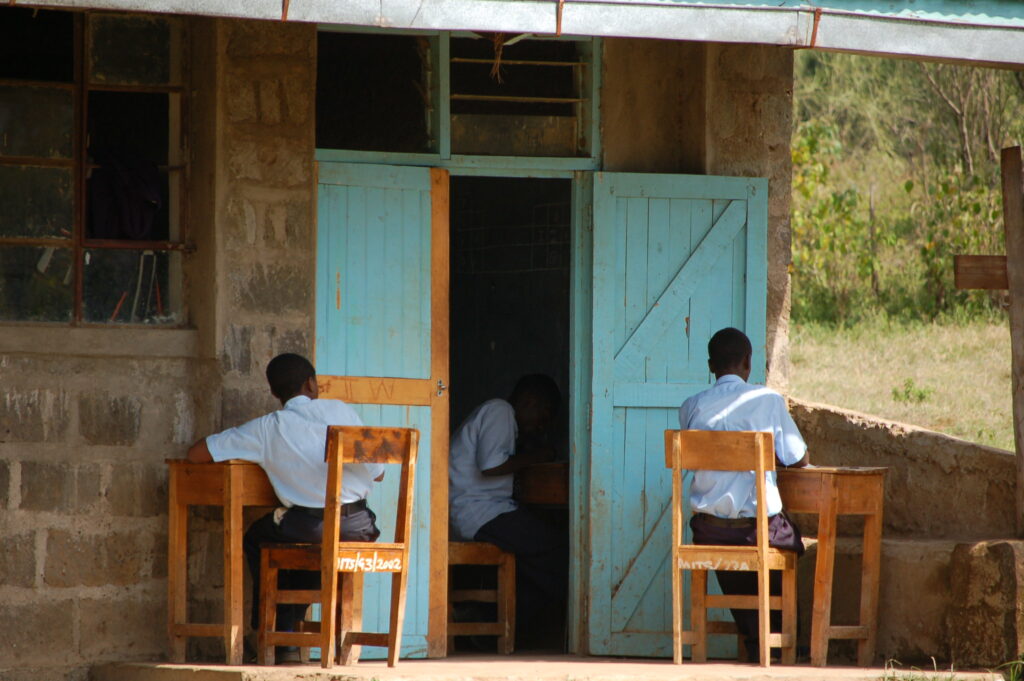
This blog draws on DG’s experience in climate, health, aid management, and agriculture to explore connections between the challenges of data collection, data hosting, and data governance across different sectors and what the solutions to overcoming them can teach us about strengthening education data systems.
Hewlett Foundation Education Project: Evidence-Informed Policymaking
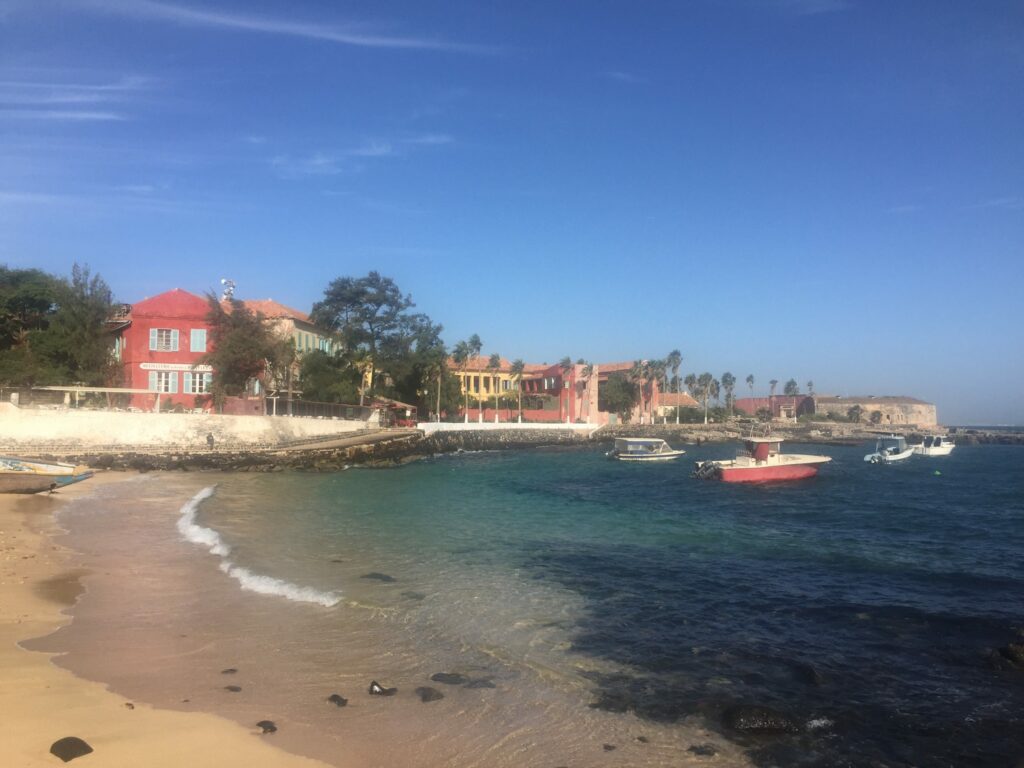
In order to holistically understand the barriers to more effective data accessibility, sharing, and use, DG—together with education sector experts from IREX—mapped the education data and decision ecosystems in Kenya and Senegal, focusing on primary and secondary education. By gathering in-depth information on barriers around the use of education data, DG facilitated the possibility for […]
At a Glance | Evidence-Informed Policymaking: Education Data-Driven Decision Mapping in Kenya and Senegal
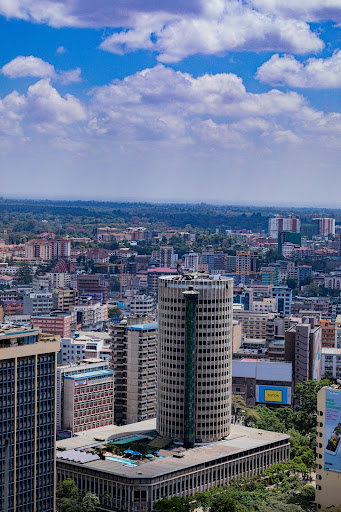
Development Gateway: An IREX Venture (DG) and our strategic partner IREX, supported by the William & Flora Hewlett Foundation, conducted a study of the education data systems in Kenya and Senegal. In our findings from this study, we underscore the necessity of a harmonized approach to education data management and share insights that provide a valuable roadmap for future reforms and investments in education data systems.
Evidence-Informed Policymaking: Education Data-Driven Decision Mapping in Kenya and Senegal
Between December 2022 and February 2024, Development Gateway: An IREX Venture (DG) and IREX, funded by the William & Flora Hewlett Foundation, conducted research in Kenya and Senegal to explore the complexities of education data supply, access, and decision-making processes. Effective decision-making in education relies on reliable, comparable, and accessible data managed through efficient information systems, facilitating resource optimization and goal monitoring. However, many countries, including Kenya and Senegal, experience challenges with unreliable education data, limited data utilization for decision-making, and insufficient national capacity to manage and leverage data effectively.
The research, employing DG’s Custom Assessment and Landscape Methodology (CALM), involved a desk review, stakeholder consultations, interviews, and validation workshops. Rather than an evaluation or comprehensive diagnostic, the study aimed to gather diverse perspectives and stories from stakeholders to contribute to ongoing discussions, technical investments, and reform efforts. We present key findings in Kenya and Senegal, before comparing and identifying shared characteristics that may be useful to assess in other country contexts.
Élaboration De Politiques Fondées Sur Des Données Probantes: Élaboration De Politiques Fondées Sur Des Données Probantes
Entre décembre 2022 et février 2024, Development Gateway : an IREX Venture (DG) et IREX, avec le financement de la Fondation William & Flora Hewlett, ont mené des recherches au Kenya et au Sénégal pour étudier la complexité des mécanismes de fourniture des données sur l’éducation, l’accès aux données et les processus de prise de décision. Une prise de décision efficace dans le domaine de l’éducation repose sur des données fiables, comparables et accessibles, gérées par des systèmes d’information tout aussi efficaces, facilitant ainsi l’optimisation des ressources et le suivi des objectifs. Cependant, de nombreux pays, dont le Kenya et le Sénégal, sont confrontés à des défis liés au manque de fiabilité des données sur l’éducation, à une utilisation limitée des données dans la prise de décision et à la faiblesse de la capacité nationale à gérer et à exploiter les données de manière efficace.
Cette étude, qui utilise la méthodologie CALM (Custom Assessment and Landscape Methodology) de DG, comprend un examen documentaire, des consultations avec les parties prenantes, des entretiens et des ateliers de validation. Plutôt que de réaliser une évaluation ou un diagnostic complet, l’étude visait à recueillir des points de vue et des récits diversifiés auprès des parties prenantes afin de contribuer aux discussions en cours, aux investissements techniques et aux réformes entreprises. Nous présentons les principaux résultats obtenus au Kenya et au Sénégal avant de comparer et d’identifier les caractéristiques communes qui pourraient s’avérer utiles d’évaluer dans d’autres contextes nationaux.
Great Green Wall Observatory: A New Data Platform to Support One of Africa’s Most Ambitious Efforts to Combat Climate Change
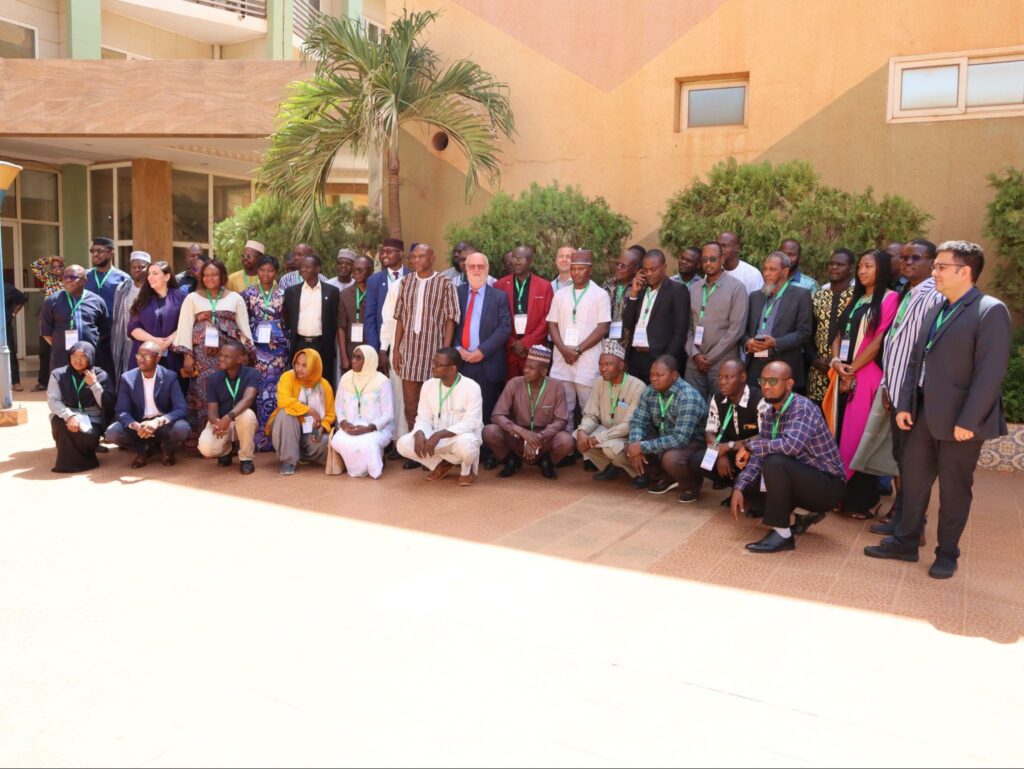
In partnership with UNCCD, GGW Accelerator, and the Pan African Agency for the GGW, DG has launched the Great Green Wall Observatory. This pioneering digital platform monitors the GGW Initiative’s progress, enhancing collaboration, accountability, and transparency across 11 African countries. By providing financial and project management data, the Observatory empowers communities, stakeholders, and policymakers to combat climate change in the Sahara and Sahel regions. With over 302 projects and $15 billion in commitments, this tool promotes robust climate action and fosters local and global engagement.
Five Insights on Country-Led Digital Public Infrastructure Systems to Create a Cohesive Approach throughout Africa

Drawing from Development Gateway: An IREX Venture’s work in implementing country-specific digital solutions that support a cohesive approach across a given region or continent, we have identified five insights on how to go about implementing digital public infrastructure systems at the country-level while having a cohesive approach throughout Africa.