
A Six Step Recipe for Effective Data Use
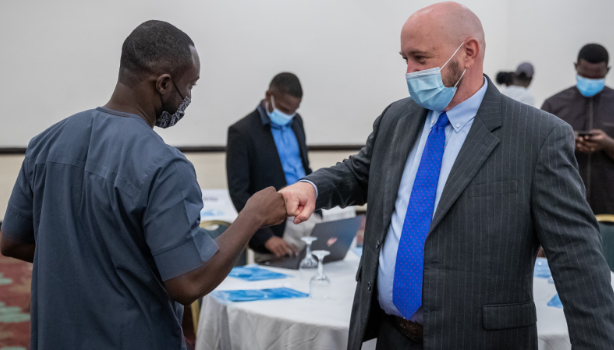
In this blog, DGers Ousmane Koné and Andrea Ulrich explore DG’s six step “recipe” for effective data use.
Unlocking the potential of digital public infrastructure for climate data and agriculture: Malawi
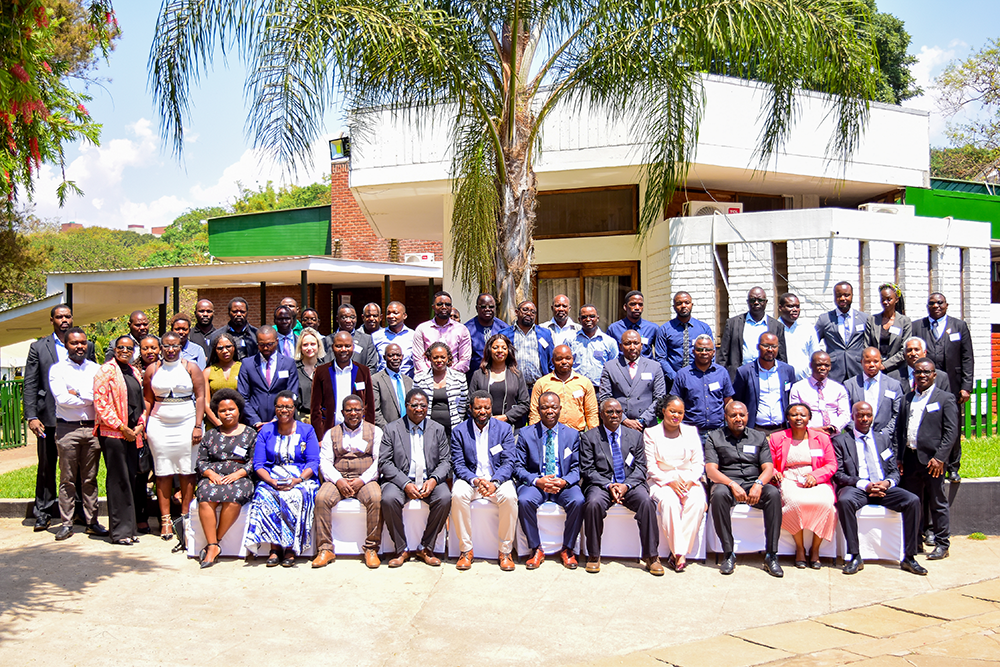
DG’s DAS Program recently attended an event on creating a national digital public infrastructure (DPI) in Malawi in order to increase the impact of climate data to combat current and future agricultural issues caused by climate change. In this blog, we reflect on three insights on DPIs that were revealed during the event discussion.
aLIVE Program Reaches Milestone: Livestock Data Standards Endorsed by Ethiopia’s Ministry of Agriculture
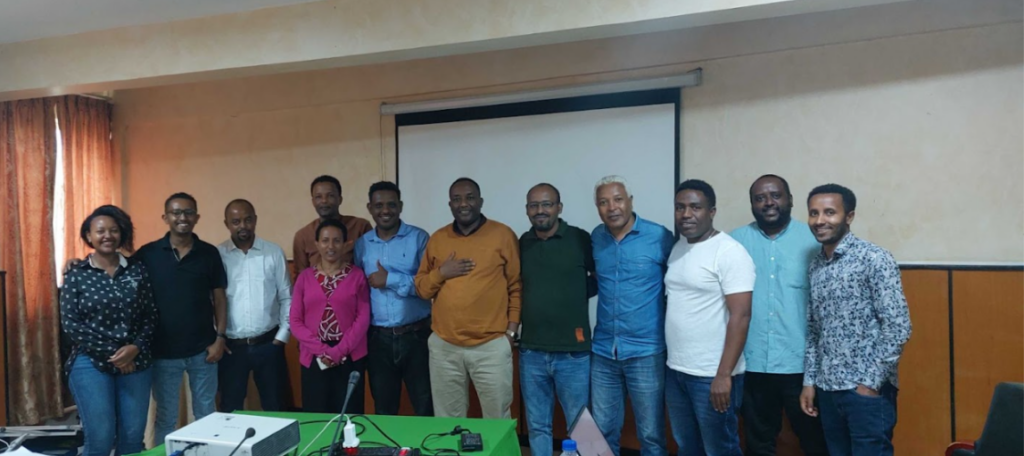
In early 2024, the “a Livestock Information Vision Ethiopia” (aLIVE) governing committee endorsed a comprehensive set of standards to guide the collection, storage, and maintenance of livestock data in Ethiopia (i.e., a data standard). The data standard specifically focuses on standardizing data on cattle, sheep, goats, and camels in the country. The National Livestock Data Standard document contains standardized data sets for national animal data recording, animal disease, diagnosis, treatment, vaccination recording, animal events recording, location, and other additional attributes.
Connecting Digital Dreams to Infrastructure Needs: Three Lessons from the aLIVE Program
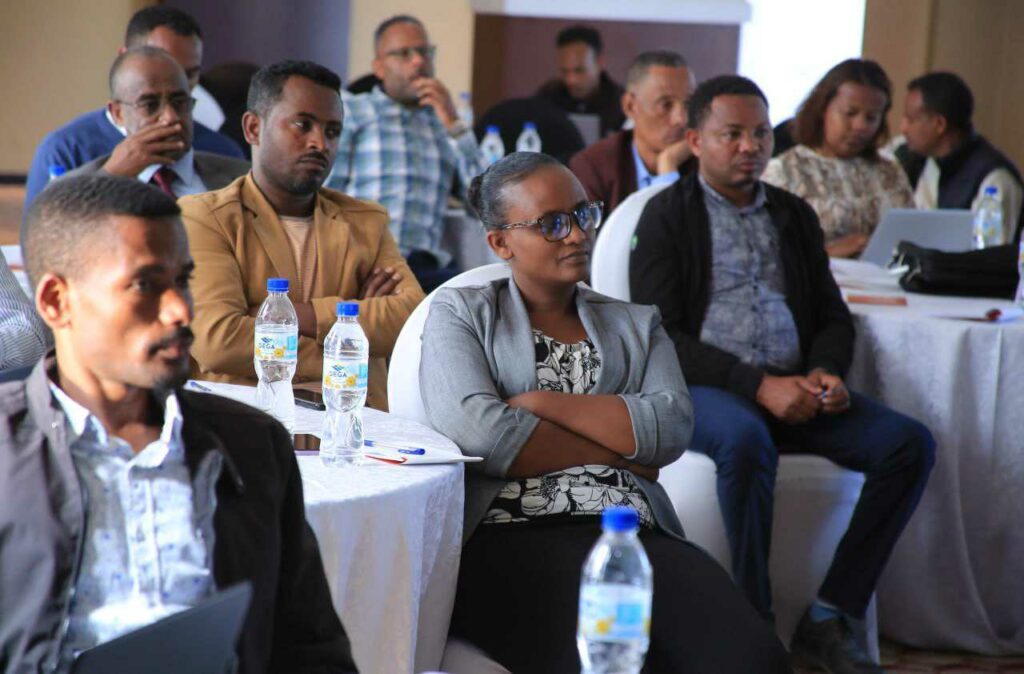
After eighteen months of implementing the aLIVE program, we’ve learned three lessons on how to best support our partners in Ethiopia, advance our work in data systems and management, and ultimately, reach our overall goal of supporting Ethiopia in achieving food security and building a more robust, independent economy.
Case Study: Fostering Sustainable Agriculture through Data-Driven Collaboration and Partnership: Ethiopia, Mozambique, and Nigeria
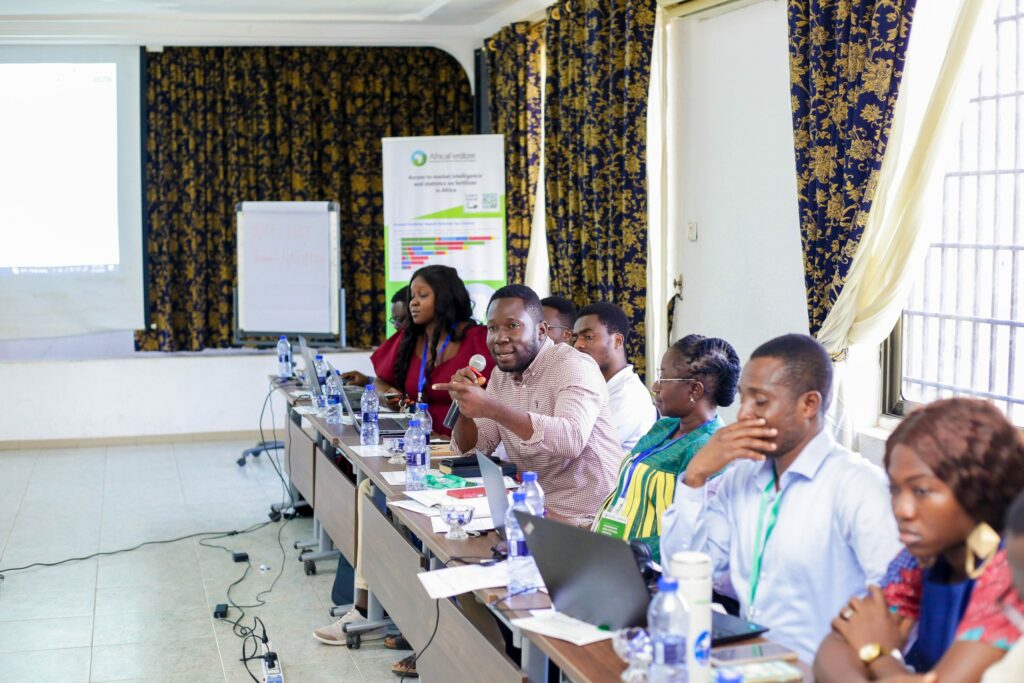
Through DG’s Visualizing Insights on Fertilizer for African Agriculture (VIFAA) program, we recently published a case study titled “Fostering Sustainable Agriculture through Data-Driven Collaboration and Partnership: Ethiopia, Mozambique, and Nigeria.” It dives deep into how the VIFAA program has impacted the fertilizer data and markets in Ethiopia, Mozambique, and Nigeria. In this blog, we explore the overall impact that the VIFAA program is making, why the program was needed, and offer some key highlights from the case study.
Building a Sustainable Cashew Sector in West Africa Through Data and Collaboration
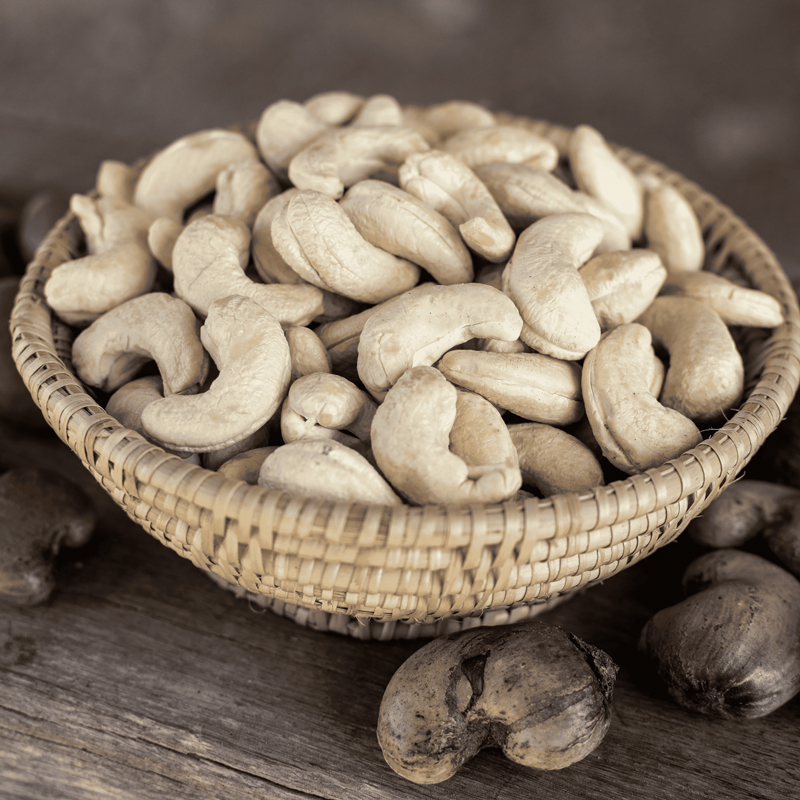
Cashew-IN project came to an end in August 2024 after four years of working with government agencies, producers, traders, processors, and development partners in the five implementing countries to co-create an online tool aimed to inform, support, promote, and strengthen Africa’s cashew industry.
This blog outlines some of the key project highlights, including some of the challenges we faced, lessons learned, success stories, and identified opportunities for a more competitive cashew sector in West Africa.
Unlocking Africa’s Agricultural Potential: Introducing the Soil Nutrient Roadmap
For over a decade, Development Gateway: An IREX Venture (DG) has been at the forefront of digital agriculture, leveraging agricultural data to support input monitoring, value chain analysis, and farmer-centric governance models. With funding from the Gates Foundation, DG is launching the Soil Nutrient Roadmap (SNR), a cutting-edge initiative using geospatial data to estimate current and future soil and crop nutrient requirements.
Digital Transformation for Public Value: Development Gateway’s Insights from Agriculture & Open Contracting
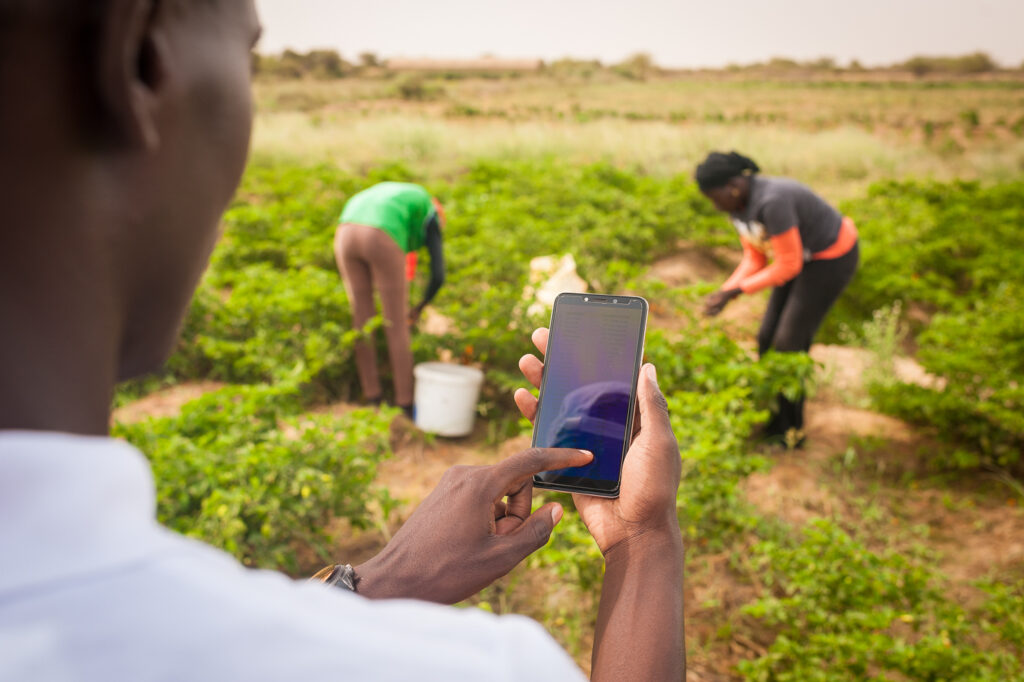
In today’s fast-evolving world, governments and public organizations are under more pressure than ever before to deliver efficient, transparent services that align with public expectations. In this blog, we delve into the key concepts behind digital transformation and how it can enhance public value by promoting transparency, informing policy, and supporting evidence-based decision-making.
From Data Gaps to Impact: Key Insights from the VIFAA Program
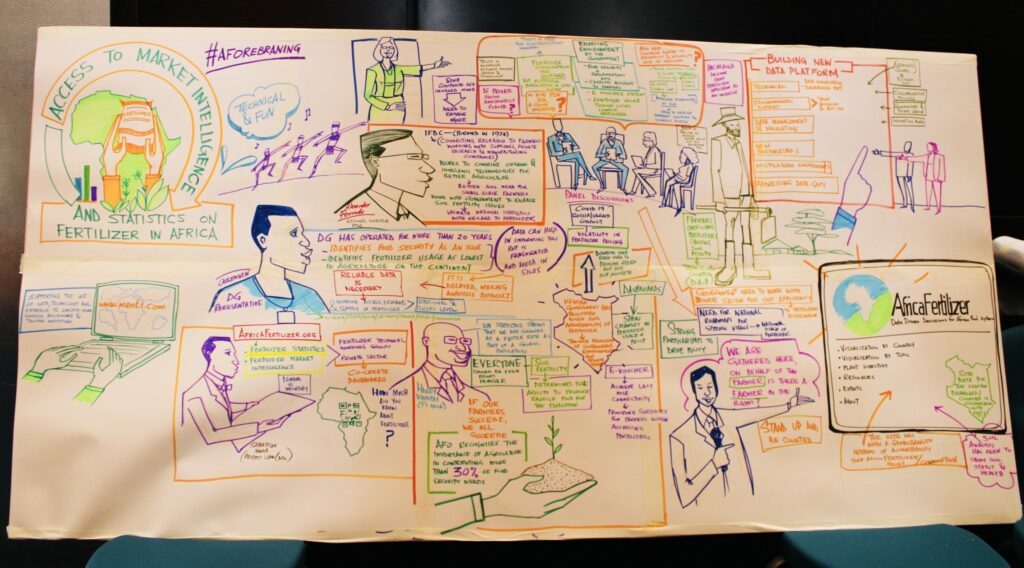
Over the last six years, DG, together with its partners AfricaFertilizer (AFO) and Wallace & Associates, collaborated to implement the Visualizing Insights on Fertilizer for African Agriculture (VIFAA) Program. In the program’s final year (2024), the team undertook a “program learning process” to reflect on outcomes, challenges, and successes through internal interviews. This blog captures five key learnings, which we hope will guide similar programs aiming to bridge data gaps in agricultural development.