
Why Africa’s Next Decade in Agriculture Will Be Won or Lost on Data
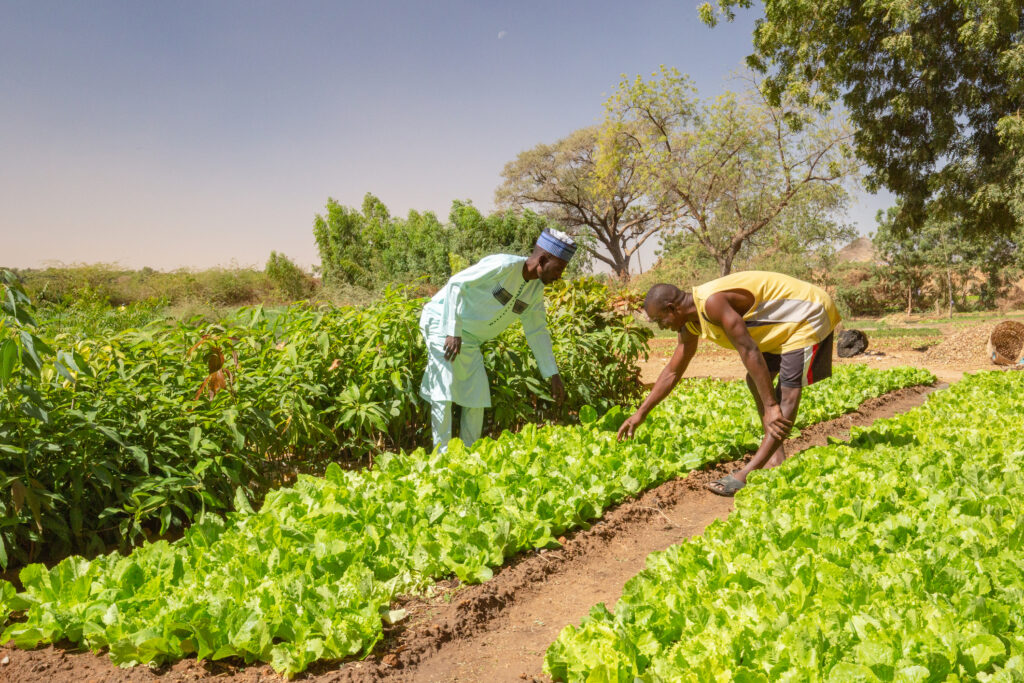
Africa’s agricultural transformation depends on stronger data foundations. This blog explores how investing in timely, reliable data can help advance the goals of the new CAADP cycle, strengthen accountability, and unlock more effective digital and AI-driven agriculture.
Assessing the Impact of Data Use on Decision-Making in the Ministry of Agriculture
The aLIVE project has provided data use training and hands-on technical support to the Ministry of Agriculture of Ethiopia digital system owners and experts across the livestock sector to promote data-driven decision-making. This assessment captures the impact of the training and hands-on support.
Development Gateway Collaborates with 50×2030 Initiative on Data Use in Agriculture
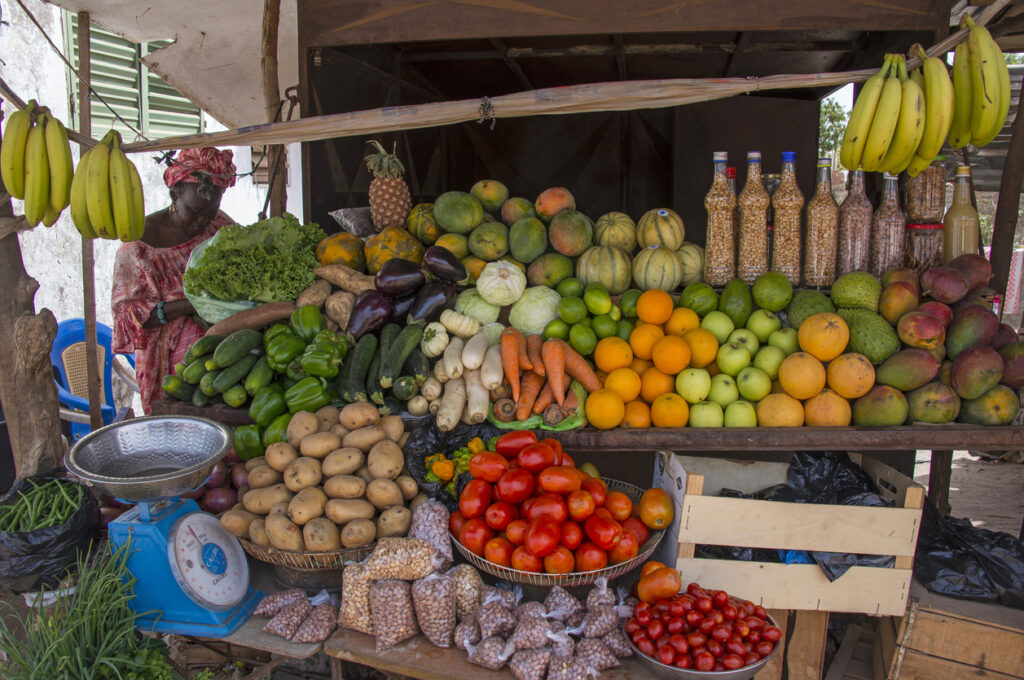
Development Gateway announces the launch of the Data Interoperability and Governance program to collaborate with the 50×2030 initiative on data use in agriculture in Senegal for evidence-based policymaking.
From Data to Impact: Why Data Visualization Matters in Agriculture
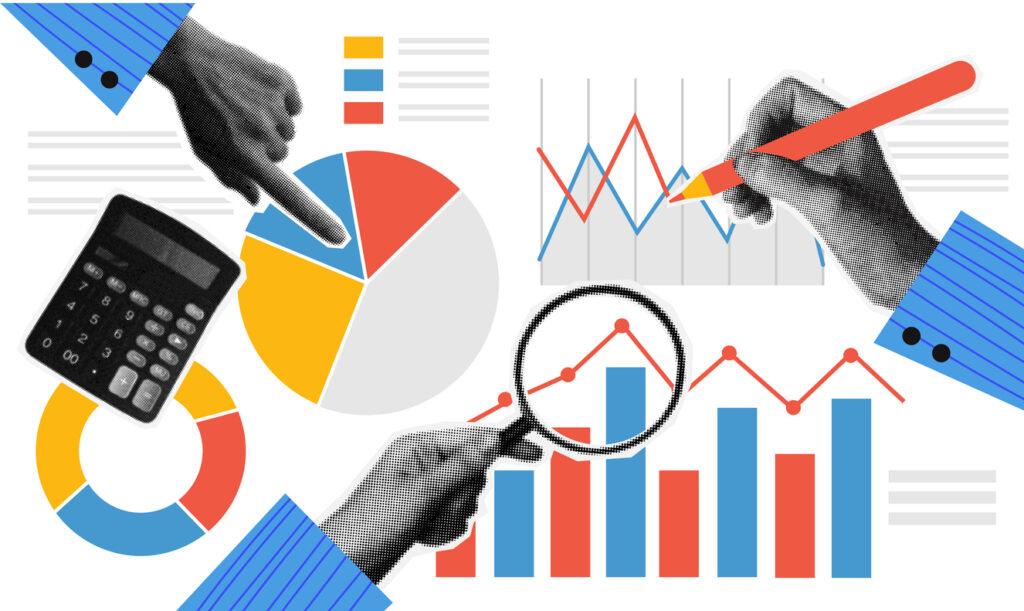
This blog explores why data alone isn’t enough; what matters is turning it into usable insights. In agriculture, where decisions have lasting impacts, user-friendly tools help farmers and policymakers alike make better choices.
Strengthening Livestock Data Use through Capacity Building
The aLIVE project launched a structured data-use training in 2023 to equip managers of five key livestock systems with practical skills in handling, processing, and visualizing data. This report shares the outcomes, including hands-on use of tools like Excel and Power BI, and offers recommendations to build on this progress.
Harnessing the Power of Data: Tackling Tobacco Industry Influence in Africa

Reliable, accessible data is essential for effective tobacco control, enabling policymakers to implement stronger, evidence-based responses to evolving industry tactics and public health challenges. This blog explores how Tobacco Industry strategies hinder effective Tobacco control in Africa, and highlights how stakeholders are harnessing TCDI Data to counter industry interference.
The Data Crisis Following USAID’s Withdrawal: Opportunities to Reimagine Data Systems

For decades, USAID and other US government funding supported global data systems, from health surveys and early warning tools to digital infrastructure for ministries. The abrupt termination of USAID funding has triggered twin crises: a halt to data collection and the undermining of digital systems – reveal existing inefficiencies and instabilities in how data is collected, managed, and shared both within and between countries.
Building a Sustainable Cashew Sector in West Africa Through Data and Collaboration

Cashew-IN project came to an end in August 2024 after four years of working with government agencies, producers, traders, processors, and development partners in the five implementing countries to co-create an online tool aimed to inform, support, promote, and strengthen Africa’s cashew industry.
This blog outlines some of the key project highlights, including some of the challenges we faced, lessons learned, success stories, and identified opportunities for a more competitive cashew sector in West Africa.
From Data Gaps to Impact: Key Insights from the VIFAA Program
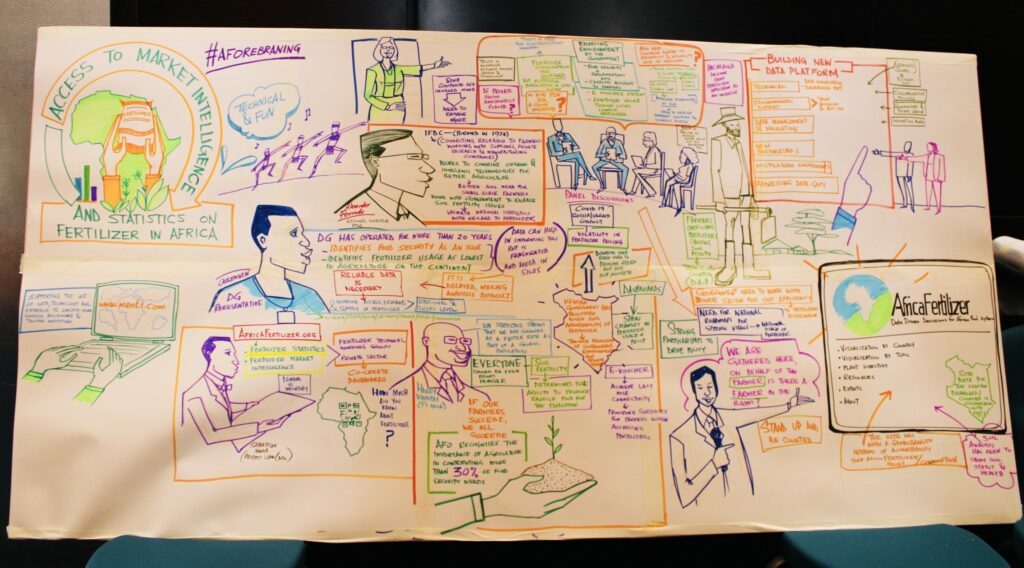
Over the last six years, DG, together with its partners AfricaFertilizer (AFO) and Wallace & Associates, collaborated to implement the Visualizing Insights on Fertilizer for African Agriculture (VIFAA) Program. In the program’s final year (2024), the team undertook a “program learning process” to reflect on outcomes, challenges, and successes through internal interviews. This blog captures five key learnings, which we hope will guide similar programs aiming to bridge data gaps in agricultural development.