
Raising Awareness on World No Tobacco Day 2024: DaYTA/TCDI’s Work on Tobacco Industry Interference
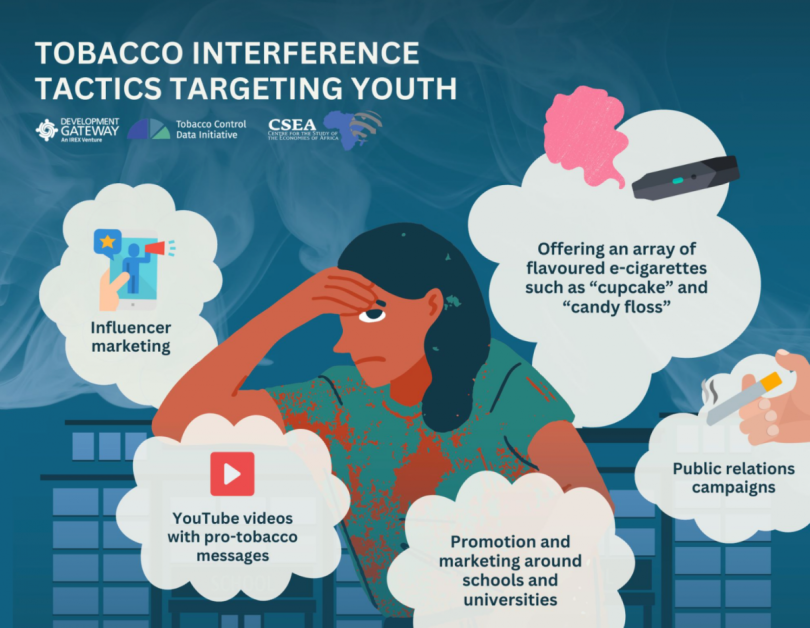
As tobacco companies have aggressively deployed creative strategies to market retail nicotine and tobacco products at children and adolescents, it is imperative that tobacco control stakeholders have access to timely and high-quality data to inform robust policies, regulations, and enforcement mechanisms.
From Data Gaps to Impact: Key Insights from the VIFAA Program
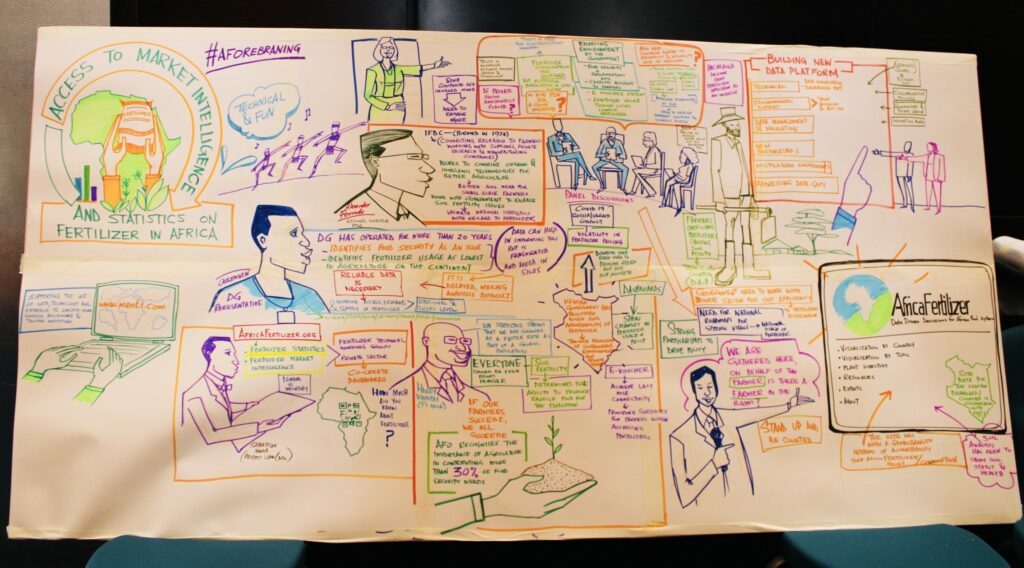
Over the last six years, DG, together with its partners AfricaFertilizer (AFO) and Wallace & Associates, collaborated to implement the Visualizing Insights on Fertilizer for African Agriculture (VIFAA) Program. In the program’s final year (2024), the team undertook a “program learning process” to reflect on outcomes, challenges, and successes through internal interviews. This blog captures five key learnings, which we hope will guide similar programs aiming to bridge data gaps in agricultural development.
Enhancing Livestock Traceability in Ethiopia with Mobile Tech
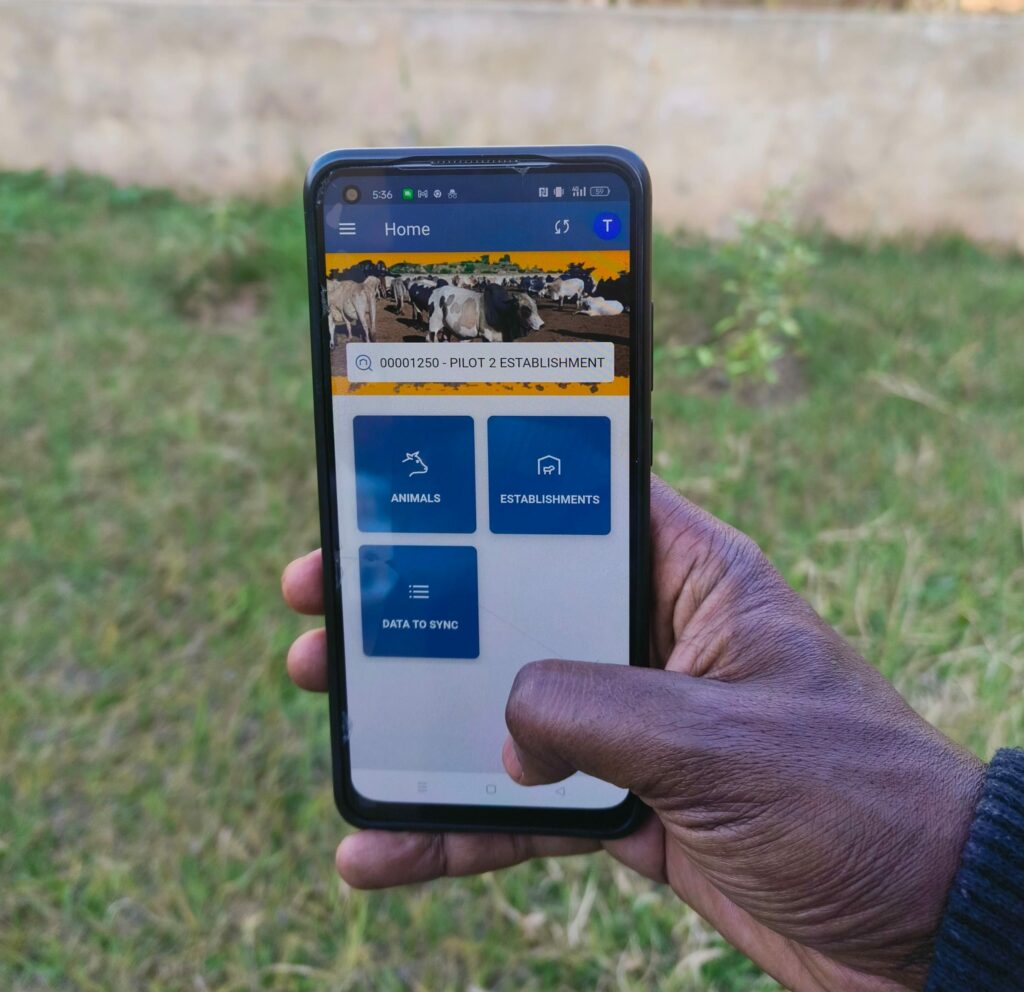
Ethiopia has the largest livestock population in Africa. To support the effective management of this vast sector, Development Gateway, through the aLIVE program, is working to enhance key livestock information systems for Ethiopia’s Ministry of Agriculture. Read more.
Diving into the DaYTA Program’s Data Collection Process
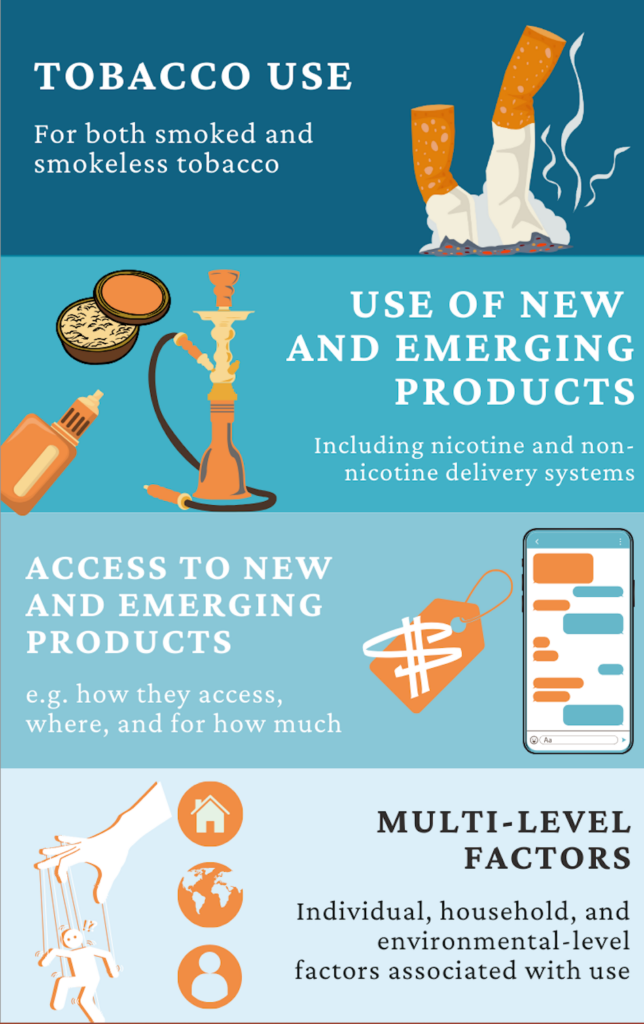
This blog explores key insights from the DaYTA program, offering practical guidance for researchers on effective data collection, overcoming field challenges, and leveraging local partnerships to enhance tobacco control efforts. This piece is especially timely following DaYTA’s workshop convening all 3 study country stakeholders to review the survey results and strategize on how best to disseminate this data to target audiences. This workshop took place from in Lagos, Nigeria, from November 18-20th.
Mythbusters: Digital Public Infrastructure & Digital Public Goods
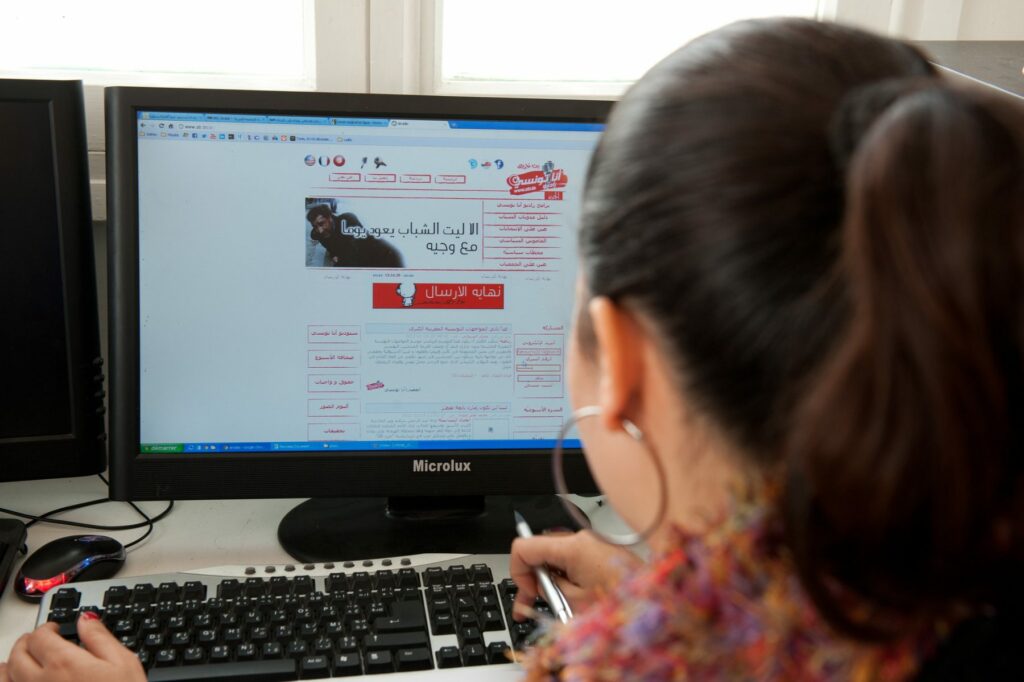
Although the international community has just now reached consensus on what digital public infrastructure is, there are still a lot of myths and misperceptions around the term, and the open-source technology that often powers it. In this blog, we’ll debunk some common myths we hear about DPI with facts, highlight some successes and failures, and show you some of the open-source DPI tools we’re following.
Shared Struggles, Shared Solutions: Education and Cross-Sector Data Use Insights
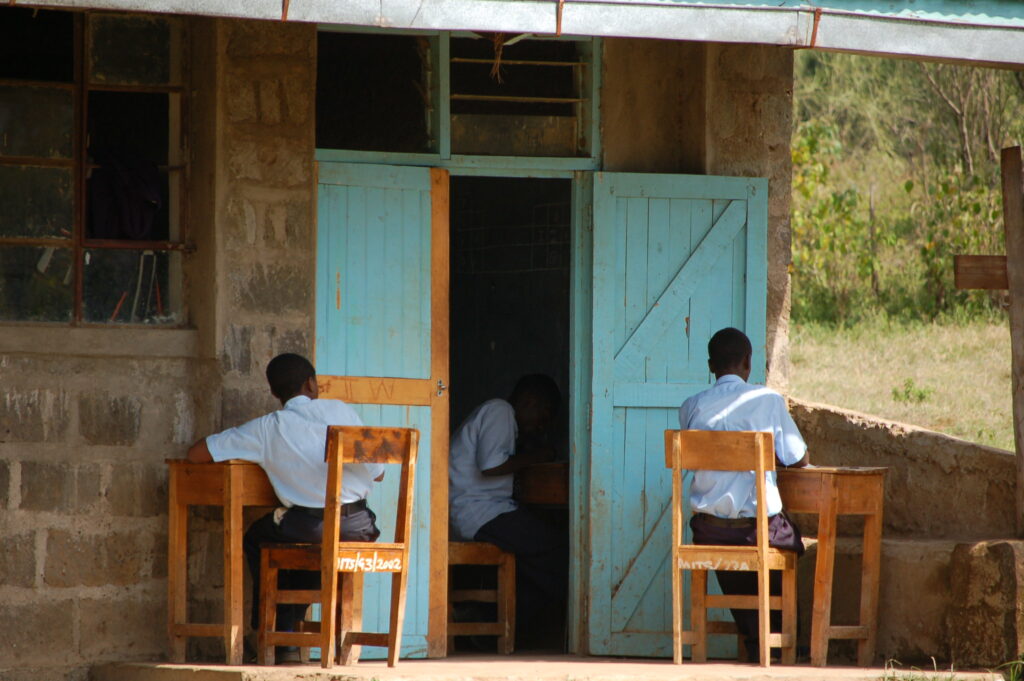
This blog draws on DG’s experience in climate, health, aid management, and agriculture to explore connections between the challenges of data collection, data hosting, and data governance across different sectors and what the solutions to overcoming them can teach us about strengthening education data systems.
The Data Crisis Following USAID’s Withdrawal: Opportunities to Reimagine Data Systems

For decades, USAID and other US government funding supported global data systems, from health surveys and early warning tools to digital infrastructure for ministries. The abrupt termination of USAID funding has triggered twin crises: a halt to data collection and the undermining of digital systems – reveal existing inefficiencies and instabilities in how data is collected, managed, and shared both within and between countries.
Building a Sustainable Cashew Sector in West Africa Through Data and Collaboration

Cashew-IN project came to an end in August 2024 after four years of working with government agencies, producers, traders, processors, and development partners in the five implementing countries to co-create an online tool aimed to inform, support, promote, and strengthen Africa’s cashew industry.
This blog outlines some of the key project highlights, including some of the challenges we faced, lessons learned, success stories, and identified opportunities for a more competitive cashew sector in West Africa.
Unlocking Africa’s Agricultural Potential: Introducing the Soil Nutrient Roadmap
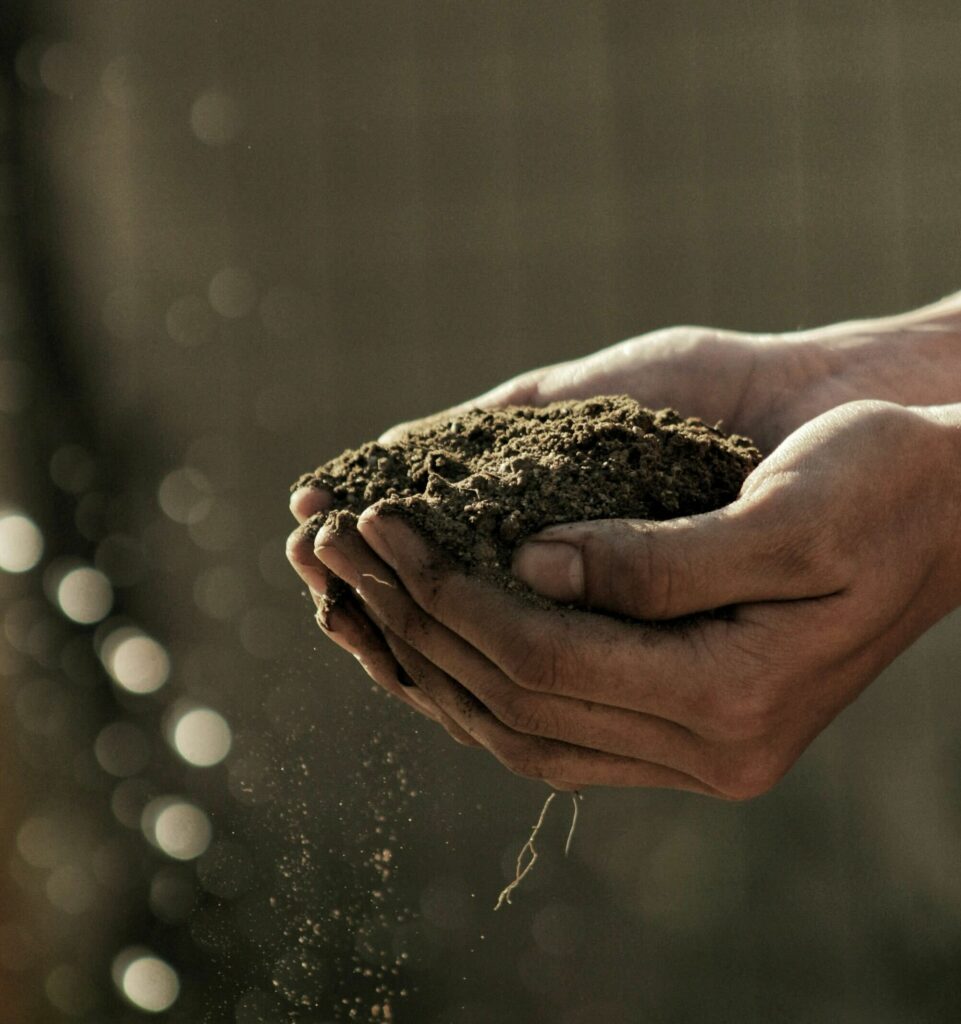
For over a decade, Development Gateway: An IREX Venture (DG) has been at the forefront of digital agriculture, leveraging agricultural data to support input monitoring, value chain analysis, and farmer-centric governance models. With funding from the Gates Foundation, DG is launching the Soil Nutrient Roadmap (SNR), a cutting-edge initiative using geospatial data to estimate current and future soil and crop nutrient requirements.