Launching a Partnership Matching Service for Nonprofits
This article was originally published here.
While a lot of us have talked about the potential, value, and – in some cases – need for more mergers and acquisitions in the non-profit space, recent events have made it clear: now is the time.
In the early days of these shifts, our team circulated a survey to civil society and international development organizations – and the resulting data, from more than 700 organizations, suggests that nearly 60% or organizations may close within the next 6 months. Given the recent stop work orders, contract and grant cancellations, and cascading effects of international civil society support shifts, a large number of non-profit, international development, and civil society organizations are confronting the need to re-organize.
Reorganizing is easier to say than do, though, and mergers and acquisitions in the nonprofit world are not nearly as common as they should be – but they can amplify impact and efficiencies. Strategic partnerships and mergers typically take 1-2 years to implement, but the hundreds of organizations facing newly shortened runways will have to act a lot faster if they are going to prevent the loss of significant amounts of knowledge, expertise and assets.
That’s why the teams at Accountability Lab, Development Gateway: An IREX Venture and Digital Public, partnered up: develop both a new toolkit, a partnership matching service, and professional support infrastructure aimed at assisting the organizations facing this challenge. While there’s no “one” name or type of transition that captures the reorganizing work ahead – from partnerships to mergers to legacy planning, our toolkit aims to de-mystify the processes and work that organizations will need to do to prepare for next steps. We are especially, and specifically, focused on helping mission-driven organizations navigate transitions in ways that preserve valuable teams, projects, technology, and knowledge.
While resources are important, we are dedicated to a more active approach – and so we’ve also launched a partner-matching service for groups hoping to bring on new initiatives and those who are hoping to help find their work find new homes. Already, we’ve had a number of promising discussions on how to get started, and heard the importance of centering trust, alignment, and proactive engagement. Designing a partnership or organizational transition is about identifying, articulating, and committing to practical, operational efforts to invest in a shared vision. The exercise has also shown how focusing on value proposition helps partners find alignments. Often, an inventory is a good starting point.
- Mapping what makes you unique
Consider the elements that differentiate your work or approaches. These may not be “things,” and instead be ways of doing things, captured in a toolset or service architecture, but they may be important to preserve and valuable to other organizations. Listing your team’s core skills and comparative advantages is also critical, along with ongoing lines of revenue. It’s helpful to think about the assumptions and dependencies required to keep the lines operating.
- Analyzing the landscape
Many organizations may have a shared definition of problems they are trying to solve but differ considerably in terms of their context and approach. Think about who is prioritising the impact or vision you hope to have and who is solving similar structural challenges in your field. Also, who has infrastructure and investments in your sector? Contexts adjacent to your work are likely to be aligned with it.
- Merger, partnership, or wind-down?
Consider several types of alignment based on mission, strategic approach, operations, technology, finances, culture, and politics. Each serves as a critical checkpoint to ensure that any merger or partnership enhances both organizations and sustains their shared goals. Thoroughly assessing alignment allows you to prioritize what’s important and avoid partnerships that might not align with your long-term vision.
- Finalizing solid partnership agreements
Once you identify the right partner, negotiations need to be handled carefully—ensuring all parties understand their roles, set clear expectations, and use frameworks that keep the process on track. Manage the tension between “fast,” “sustainable,” and “perfect.” The effort that makes the difference is being willing to engage in the messiness, build feedback loops and external legitimacy with stakeholder groups, and focus on sustaining the things that you prioritized in the beginning.
Overall, setting clear expectations and identifying deal-breakers early in the process will help safeguard each organization’s mission and values. Related considerations, such as digital development safety nets that consolidate and integrate infrastructures and preserve institutional knowledge and assets, must also be carefully outlined. This work ties into valuable, overarching objectives in terms of protecting and maintaining the global civil society ecosystem. Strategic partnerships and mergers of this kind offer a viable path for many organizations to sustain their impact amid unprecedented challenges.
Download our Strategic Partnership Toolkit below.
*Is your organization considering a strategic partnership or merger of some sort? Accountability Lab, Development Gateway: An IREX Venture, and Digital Public would like to offer support for confidential conversations, documentation of needs, and identification of potential matches between organizations to fast-track collaborations.
Please complete the survey here or reach out to: Khadijah Chang khadijahc@accountabilitylab.org to discuss next steps.

Unlocking Africa’s Agricultural Potential: Introducing the Soil Nutrient Roadmap
Food and nutrition insecurity are among our time’s most remarkable development challenges. In 2023, an estimated 846.6 million people across Africa faced moderate-to-severe food insecurity. Considering that this accounts for 58% of the continent’s total population, it is evident that immediate and long-term solutions are needed to strengthen food systems and address Africa’s food insecurity crisis.
The World Soil Charter emphasizes that healthy soil is fundamental to food security. However, soil degradation poses a major threat, with approximately 33% of global soils classified as moderately to highly degraded, 40% located in Africa. If left unaddressed, projections indicate that over half of Africa’s current arable land could become unusable by 2050.
The Nairobi Declaration: A Continental Call to Action
In May 2024, the Heads of State and Government of the African Union met in Nairobi, Kenya, as part of the Africa Fertilizer and Soil Health Summit. With regenerating degraded soils and enhancing soil health labeled as essential for building resilient food systems, the Summit introduced a 10-year action plan to:
- Reverse land degradation and restore soil health on 30% of degraded soil by 2034;
- Triple domestic production and distribution of fertilizers by 2034 and
- Ensure that at least 70% of smallholder farmers have access to tailored recommendations & advisory services.
A significant challenge, however, is the lack of a comprehensive data framework for evidence-based national action plans and investment strategies, providing a crucial opportunity to leverage digital solutions and data-driven decision-making to inform national soil health strategies.
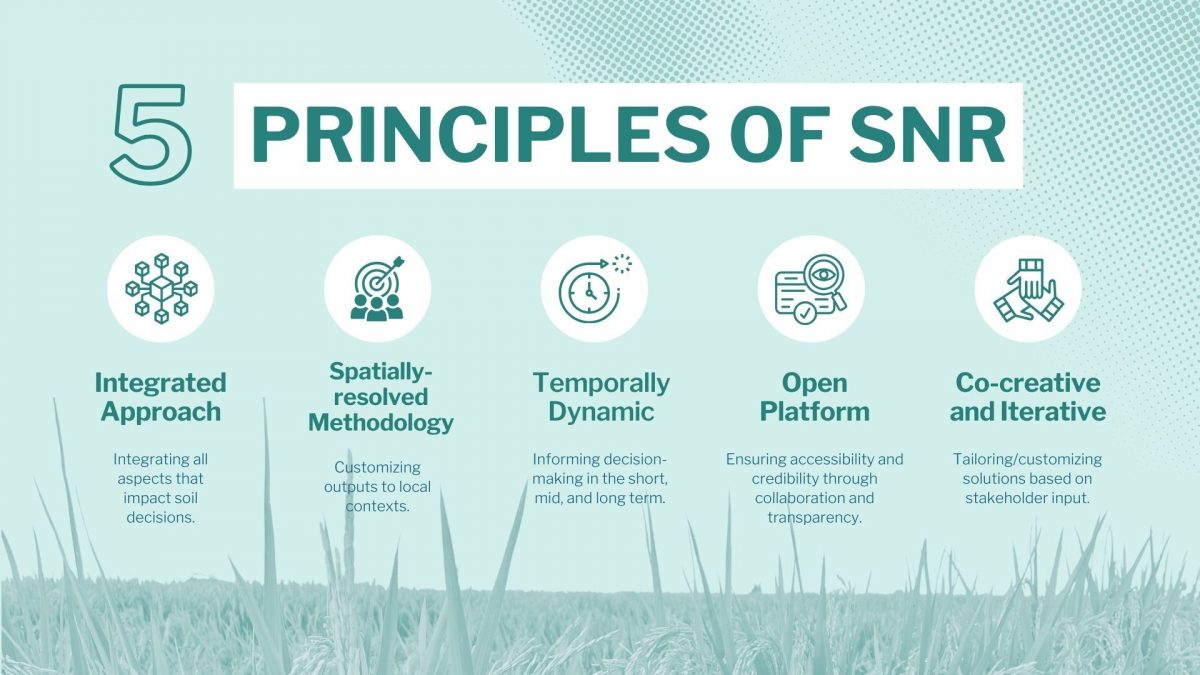
Introducing the Soil Nutrient Roadmap (SNR)
For over a decade, Development Gateway: An IREX Venture (DG) has been at the forefront of digital agriculture, leveraging agricultural data to support input monitoring, value chain analysis, and farmer-centric governance models. With funding from the Gates Foundation, DG is launching the Soil Nutrient Roadmap (SNR), a cutting-edge initiative using geospatial data to estimate current and future soil and crop nutrient requirements.
Building on the momentum of the Africa Soil Health Summit and the Nairobi Declaration, SNR aims to support African countries in designing national soil health strategies and investment plans. This initiative seeks to provide timely, relevant, and context-specific data for governments, the private sector, and agricultural stakeholders, enabling them to make informed decisions on soil health interventions.
To achieve this, SNR’s primary objective is to:
- Estimate current and future soil and crop nutrient requirements at national and subnational levels.
- Develop a roadmap to coordinate stakeholders and support investment planning.
- Enable governments, private sector actors, and implementing partners to collaborate on soil nutrient solutions.
- Provide decision-support tools for policy formulation and agricultural strategy development.
Designing and Testing the SNR Concept
In 2023/2024, with support from the Gates Foundation and Boston Consulting Group (BCG), in partnership with the International Fertilizer Association (IFA), collaborated to design a framework for national-level soil nutrient roadmaps. Ministries of Agriculture in Ethiopia, Rwanda, Kenya, Tanzania, and Ghana strongly supported the initiative, emphasizing its potential to transform fertilizer sectors and investment priorities in soil health.
Encouraged by the interest from a wide range of national and subnational stakeholders, the proof-of-concept has progressed into a 24-month acceleration phase led by DG. This phase will focus on developing an interoperable, data-driven platform to facilitate coordinated action and inform policy, regulatory, and investment decisions.
The project will be implemented over 2025–2026 in up to four Sub-Saharan countries: Kenya, Ethiopia, Tanzania, and Ghana. It will produce:
- The SNR framework: A suite of data, protocols, and models generating diagnostics to prioritize soil health interventions.
- A user dashboard: An interactive tool for country-level scenario visualization.
- Performance Indicators: Country-specific metrics for measuring impact and progress.
SNR will also investigate partnership models and sustainability strategies to ensure long-term impact and viability in different regions and chart a path toward the project’s localization.
The Roadmap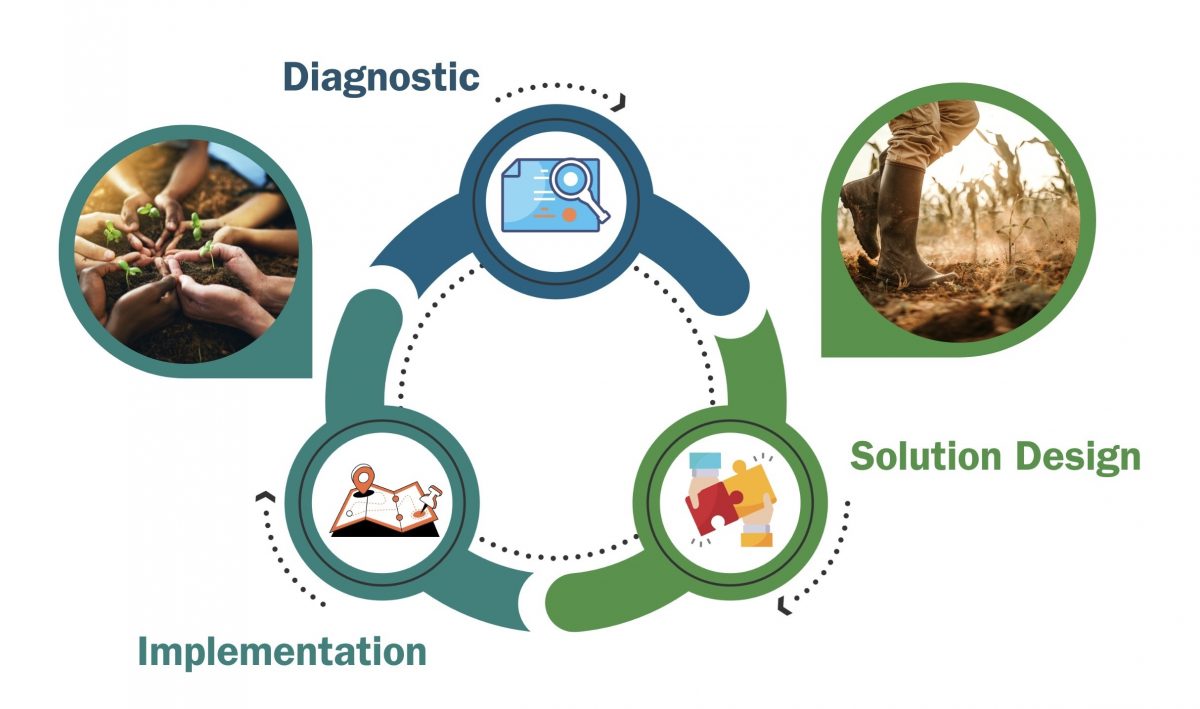
To address the trifold challenges faced by Africa’s agricultural sector of stagnating crop yields, degrading soil health and plant nutrition, and fertilizer dependency, SNR’s approach uses a 3-step journey:
1. Diagnostic Phase: Identifying Key Soil Health Challenges
This first phase of the roadmap aims to map out crop nutrient cycles, quantify indigenous nutrient supply, identify nutrient deficiencies, and determine key limiting factors such as soil acidity, erosion, and leaching. The insights will inform the setting of ambition levels and data-driven targets for national soil health strategies.
2. Solution Design Phase: Developing Targeted Interventions
Using diagnostic insights, SNR will design context-specific solutions, prioritizing key intervention areas, such as:
- Soil health & fertility practices such as intercropping and liming;
- Nutrient supply optimization;
- Water management;
- Seed improvement and
- Agricultural mechanization.
Each solution will undergo a simulation to determine its technical and financial requirements, the return on investment (ROI) assessment, and the development of regulatory, economic, training, and infrastructure support mechanisms.
3. Implementation Planning: Delivering Scalable Solutions
This final phase integrates prioritized solutions into an actionable national roadmap, detailing funding needs, governance structures, and implementation plans. This phase will also establish a Project Management Office to oversee execution and ensure measurable impact.
By addressing Africa’s interconnected agricultural challenges, SNR will empower governments and stakeholders with data-driven solutions to enhance soil health restoration efforts, increase domestic fertilizer production and distribution, improve smallholder farmers’ access to advisory services, and strengthen agricultural resilience against climate change.
SNR represents a critical opportunity to reshape Africa’s agricultural future, ensuring food security, economic growth, and environmental sustainability. As national soil health strategies take shape, the collaborative efforts of governments, private sector actors, and development organizations will be essential in realizing a resilient and productive agricultural landscape for future generations.
Digital Transformation for Public Value: Development Gateway’s Insights from Agriculture & Open Contracting
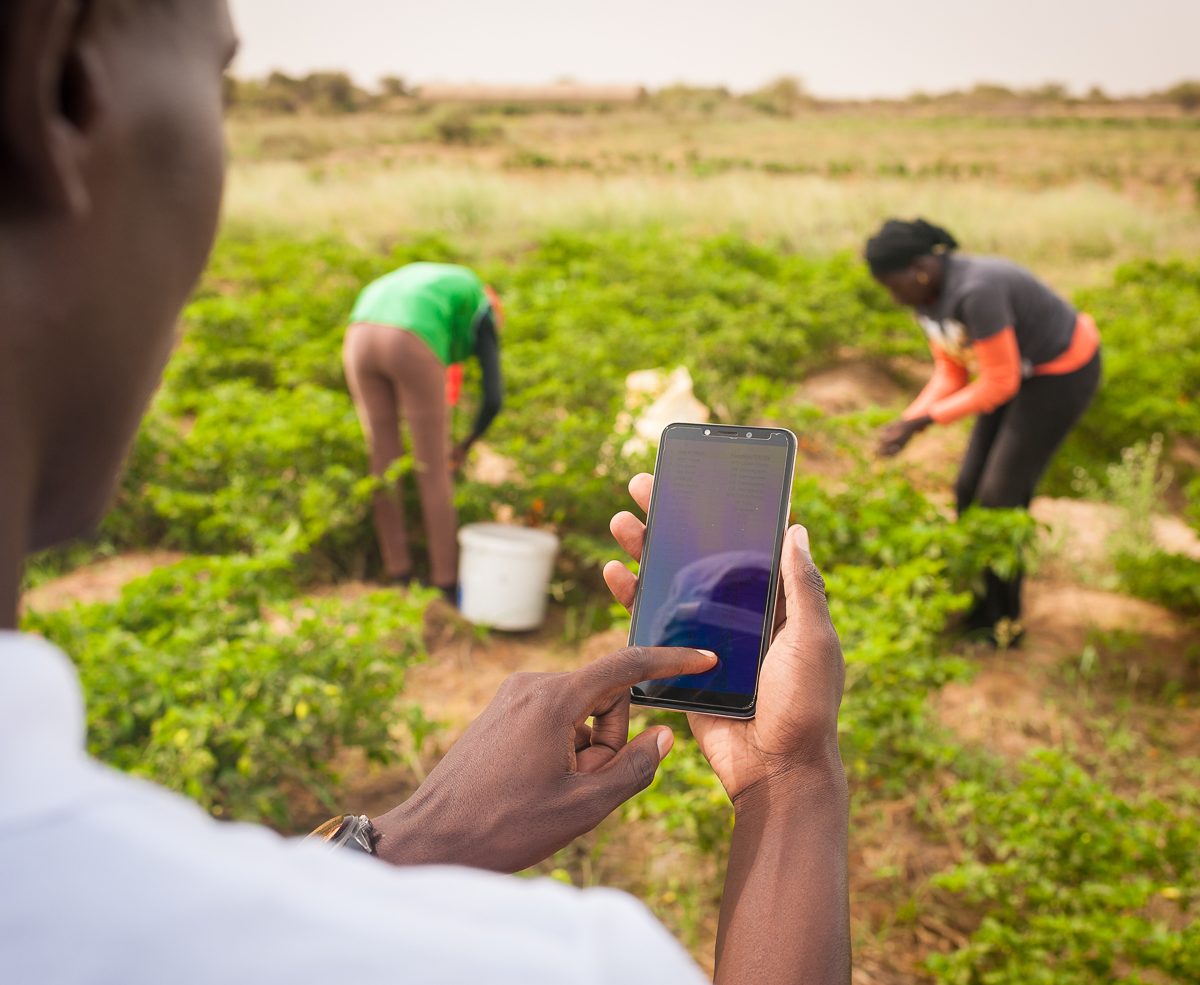
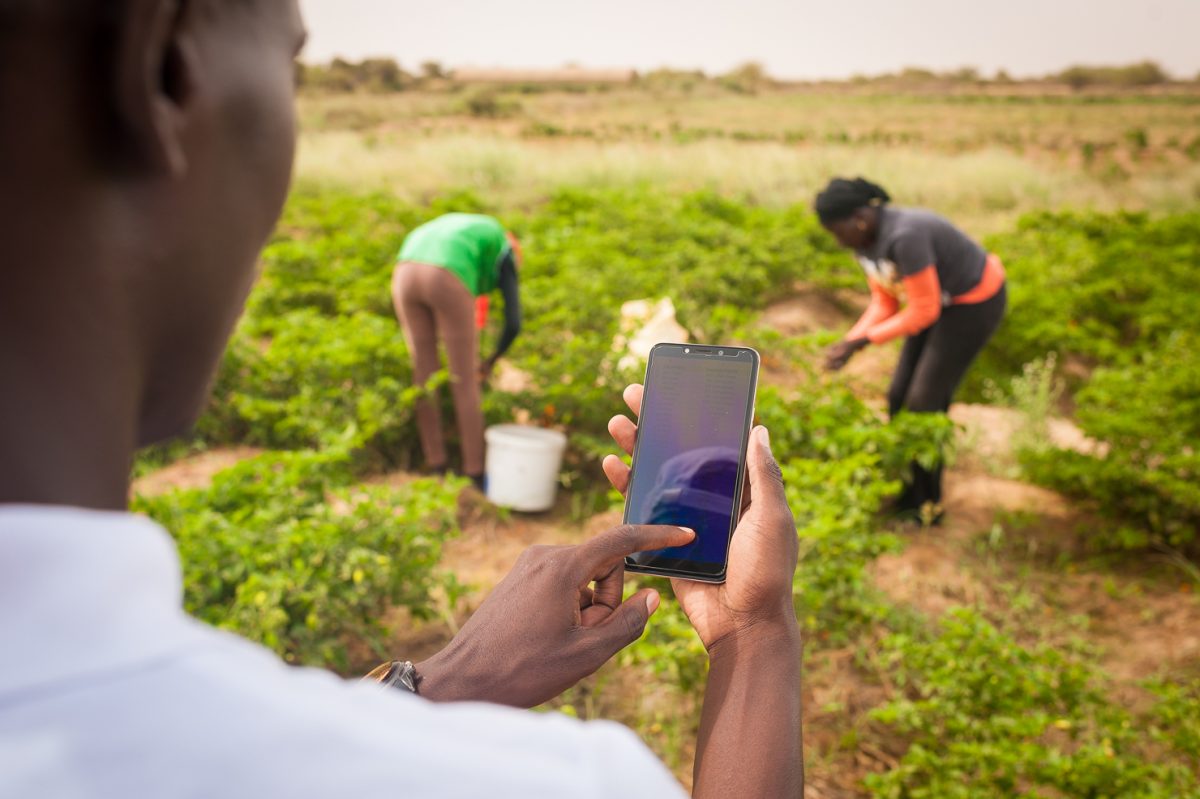
In today’s fast-evolving world, governments and public organizations are under more pressure than ever before to deliver efficient, transparent services that align with public expectations. While this increased pressure is largely due to the rapid digitization of public life, it is also the case that digital transformation is perfectly placed to be the ideal enabler of public value. When implemented correctly, that is.
In this blog, we delve into the key concepts behind digital transformation and how it can enhance public value by promoting transparency, informing policy, and supporting evidence-based decision-making.
The Path to Enabling Public Value
Creating public value requires governments and public organizations to focus on results that align with the needs and expectations of the public, using resources wisely and maintaining accountability and transparency as they do so. Serving as a guiding principle for public managers and policymakers alike, aiming to add public value ensures that actions taken are about improving service delivery and attaining meaningful societal impact.
The concept of public value originated from the book “Creating Public Value: Strategic Management in Government,” written by Hauser Professor of Nonprofit Organizations, Mark Moore, in 1995. Moore’s theory on public value parallels the private sector’s customer-oriented approach, suggesting that public administrators should focus on how:
- Public activities create value for service users, relevant stakeholders, and general citizens;
- Public administrations can attract resources and leverage their authority and legitimacy; and
- Public administrations, institutions, and services can become more efficient and effective through developing service ecosystems and advancing the betterment of society.
Digital Transformation: Building a Strong Foundation for Value Creation
Digital transformation, the use of information and communication technologies to develop new capabilities in business, government, and society, goes well beyond mere automation. It involves adopting technologies to boost productivity, create value, and improve social welfare. Digital transformation offers significant opportunities to enhance public value, yet it also presents certain challenges that require strategic solutions to ensure it is implemented equitably and sustainably.
Data and digital technologies provide a pathway for governments to create public value through increased transparency and informed decision-making. By collating data, enhancing data systems and safeguards, and promoting cross-functional operations through interoperable data systems, we can establish a strong foundation for value creation in the public sector.
At Development Gateway, we focus on making data more usable and interoperable to drive better decision-making and transparency. Below are two of our programs where we helped achieve this, building a pragmatic foundation for value creation in the public sector.
Towards Interoperability and Transparency: The ‘a Livestock Information Vision for Ethiopia’ (aLIVE) Program
There has been increasing focus in the development space for the need to create seamless, integrated data ecosystems. Such ecosystems allow for the free flow of data between systems and across ministries and departments in the public sector while ensuring that said data remains secure. While system interoperability may be a key focus for governments aiming to improve efficiency and service delivery, this is often technically challenging for them to achieve.
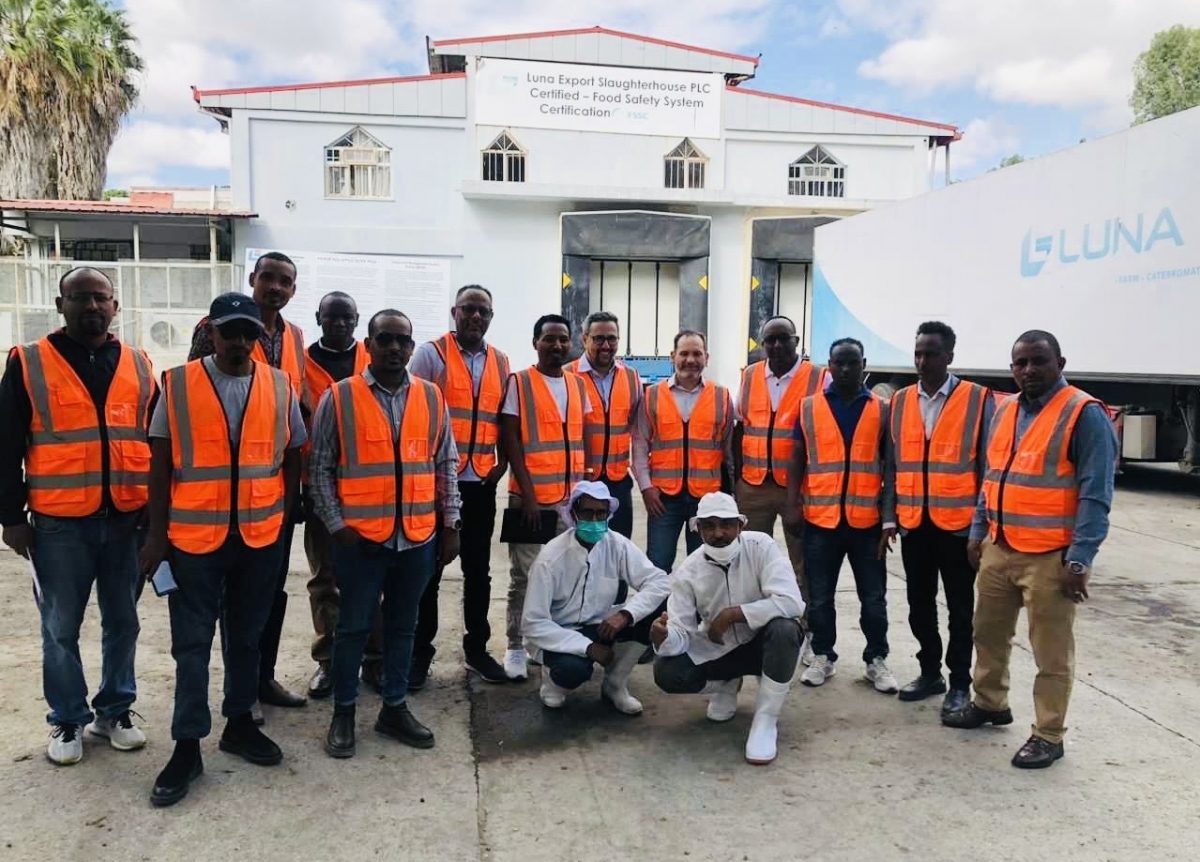
In the aLIVE program, we are working with Ethiopia’s Ministry of Agriculture (MoA) and other stakeholders to digitize livestock traceability in the country, ensuring increased accessibility to and quality of livestock data. The initiative addresses challenges faced by farmers, policymakers, and stakeholders resulting from fragmented and inconsistent livestock information. By establishing a unified, accessible data platform, aLIVE supports better decision-making, enhances market access, and boosts the productivity and resilience of Ethiopia’s livestock sector.
aLIVE enables public value through digital transformation of the livestock sector in the following ways:
Improved decision-making: By providing reliable, timely livestock data, the program enables government agencies, NGOs, and farmers to make more informed, data-driven decisions. This facilitates better resource allocation and more effective, evidence-based policies.
Enhanced livelihoods: The program helps farmers improve their productivity and increase their income-generating potential by offering data-driven insights on market conditions, livestock management, and disease control.
Sectoral coordination: By integrating five legacy systems for livestock into a common data standard – the Livestock Information System (LIS) – aLIVE facilitates coordination among stakeholders in the livestock sector, fostering collaboration and reducing duplication of efforts.
Resilience and adaptation: Access to timely, readily available data is essential for livestock management, as it allows farmers to better adapt to challenges such as climate change and disease outbreaks, thereby enhancing the resilience of the livestock sector.
Improving Public Procurement Processes: DG’s Open Contracting (OC) Portal
Through our Open Contracting initiatives, we leverage data and technology to improve how governments manage public contracts. This, in turn, benefits citizens and promotes social and economic development, enhancing public value by increasing the transparency, accountability, and efficiency of public procurement processes.
An example of this is the county-level Open Contracting Portal we developed with the government of Makueni County in Kenya. This has since been designated as a digital public good (DPG) and added to the Digital Public Goods Alliance’s (DPGA’s) Registry, which ensures the OC Portal aligns with ethical, inclusive, and sustainable digital development principles.
The OC Portal is an interactive site providing detailed information about each step of the tender, award, and implementation process. It includes a series of charts that offer helpful data insights that can be utilized by civil society, the government, and the public. In addition to the public data available on the platform, government users can also access the Corruption Risk Dashboard – a tool that identifies tenders and awards based on specific metrics that indicate possible corrupt activities. The Portal also includes various ways in which to incorporate feedback from the public, including an SMS feature allowing for great accessibility.
The OC Portal exemplifies how digital public goods can enable public value by enhancing transparency and accountability while also reducing corruption, improving service delivery, and fostering economic growth.
…
While the concept of adding public value may seem abstract or theoretical, its true significance is to be found in its practical applications. Real-world efforts, such as promoting transparency, enhancing decision-making, and supporting sustainable development, demonstrate how public value can be effectively operationalized and turned into tangible outcomes that have a positive impact on society.
From Data Gaps to Impact: Key Insights from the VIFAA Program
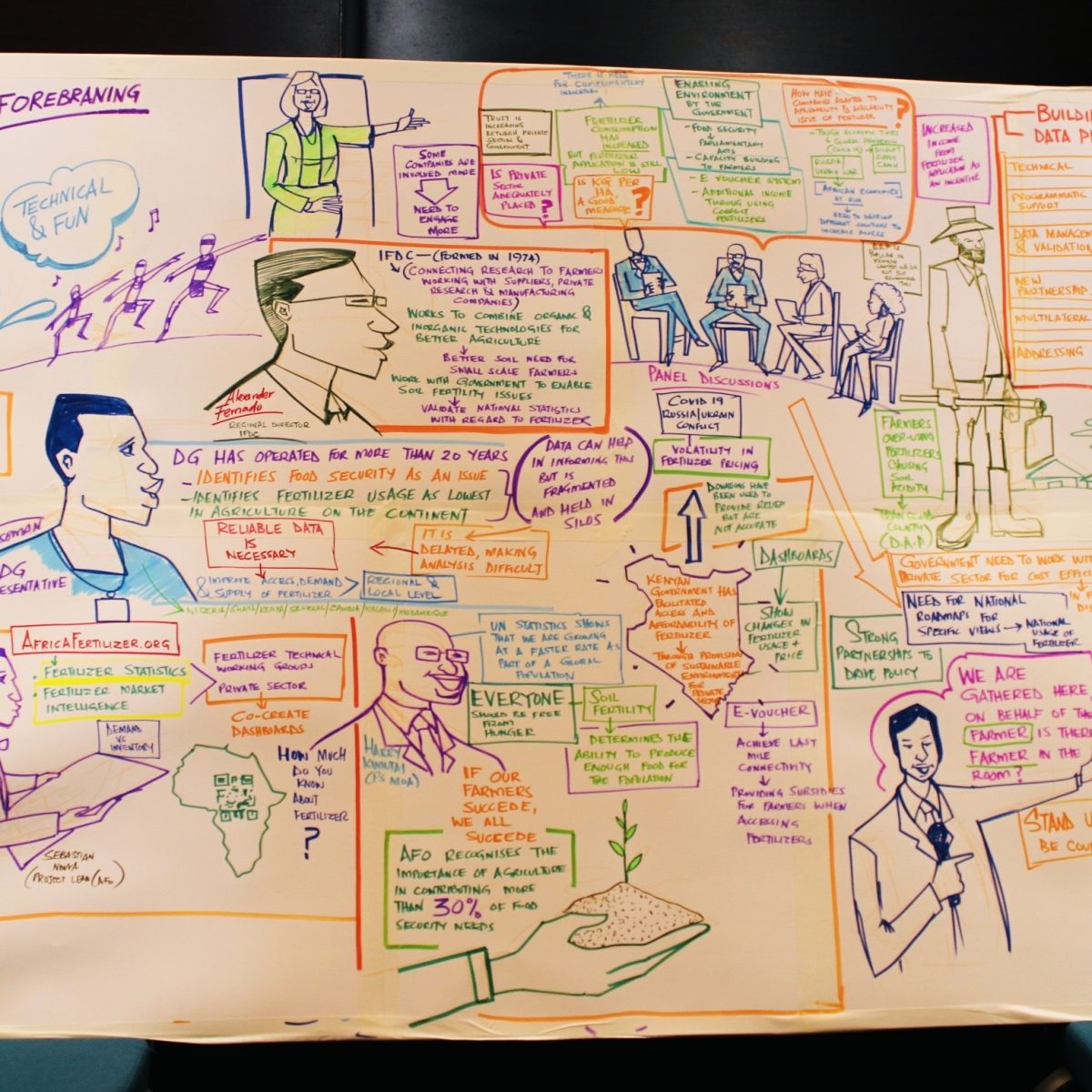
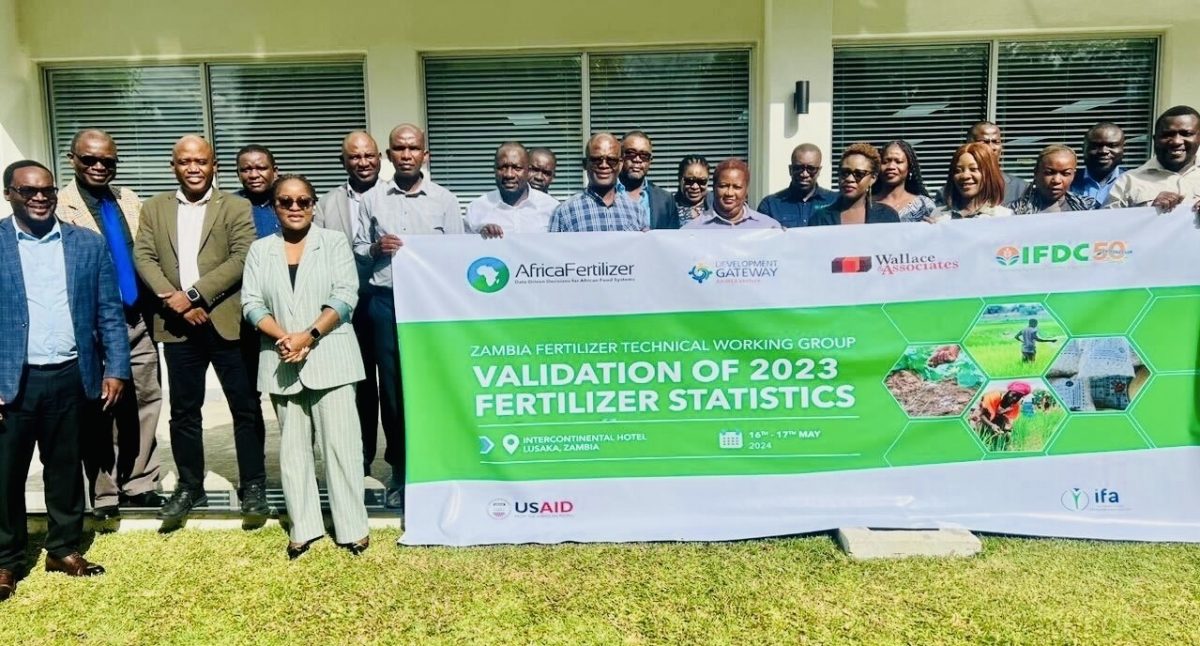
Over the last six years, Development Gateway: an IREX Venture, together with its partners AfricaFertilizer (AFO), an initiative of the International Fertilizer Development Center, and Wallace & Associates, collaborated to implement the Visualizing Insights on Fertilizer for African Agriculture (VIFAA) Program, which created dashboards and tools that improve, manage, and visualize fertilizer data in Africa. Sub-Saharan Africa (SSA) has the lowest fertilizer usage in the world, which needs to be improved to replace soil nutrients lost through crop production. VIFAA partners have worked with the public and private sectors to strengthen data collection, analysis, and use, encouraging informed fertilizer use across the region.
In the program’s final year (2024), leading up to its conclusion in November, the team undertook a “program learning process” to reflect on outcomes, challenges, and successes through internal interviews. This blog captures five key learnings, which we hope will guide similar programs aiming to bridge data gaps in agricultural development.
1. Participatory Approach as a Success Driver
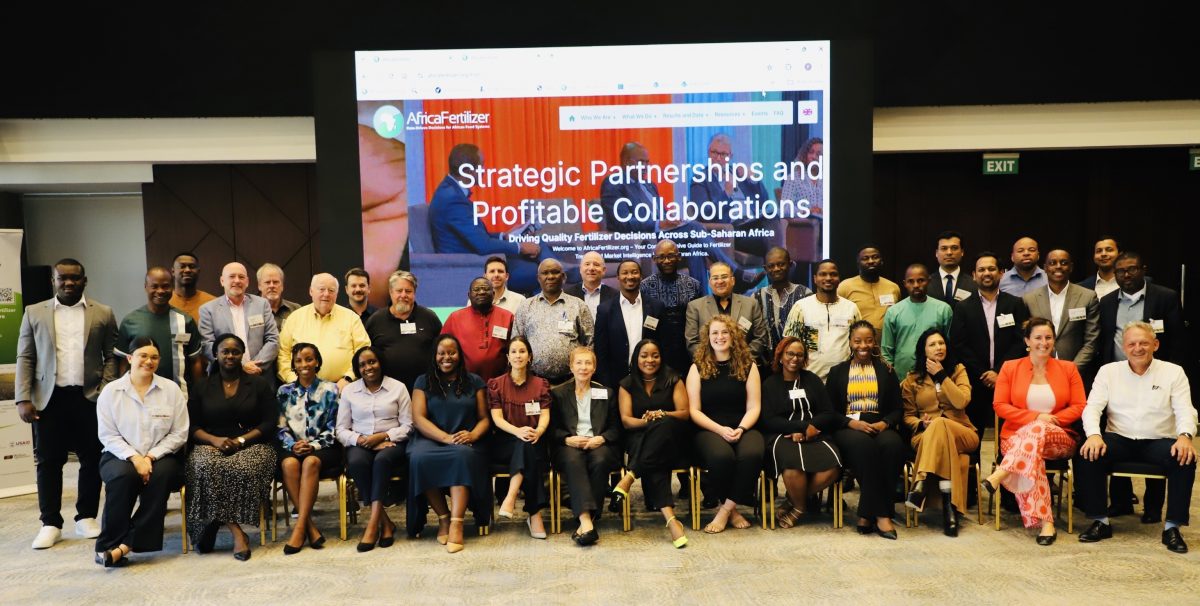
VIFAA’s success is rooted in its participatory approach, involving stakeholders from the fertilizer sector from the outset of the program in each design and implementation phase. Rather than a one-size-fits-all solution, VIFAA emphasized co-design and customization to meet the specific needs of each of the 8 countries it supported. Fertilizer Technical Working Groups (FTWGs), organized by our local partner, AfricaFertilizer (AFO), facilitated this process. These groups brought together the private sector, customs, non-profit organizations, and the government to define relevant data indicators and validate data for each country’s dashboard.
The result is that each country’s VIFAA dashboard reflects local needs and realities. For instance, the Mozambique dashboard includes transit data visualizations to support fertilizer flow through trade corridors, while Nigeria’s dashboard displays locally blended NPK (nitrogen (N), phosphorus (P), and potassium (K)) data. This tailored approach, though resource-intensive, strengthened buy-in from diverse stakeholders, providing a robust foundation for the dashboards’ continued use and sustainability.
Lesson: Co-designing with end users is crucial, especially in multi-country programs, as it fosters stakeholder ownership and enhances program longevity.
2. Building Trust with the Private Sector
In the sensitive fertilizer sector, private stakeholders are often reluctant to share data. Despite this challenge, VIFAA included the private sector in its participatory approach. To address this, VIFAA used non-disclosure agreements (NDAs) to ensure privacy and build trust. This was key, particularly in countries like Nigeria, where private companies comprise a significant market share.
The successful use of NDAs encouraged strong private-sector participation, granting access to critical data and leading private companies to see the value of the dashboards, resulting in financial investments in their development.
Lesson: Building trust through confidentiality measures, such as NDAs, is one approach for securing private sector participation and access to sensitive data. This trust can also lead to long-term collaboration and financial investment in data tools and platforms from private companies.
3. Adapting Engagement Strategies to Country Context
Each VIFAA country presented unique realities, shaped by its market structure and stakeholder landscape. For instance, Nigeria’s fertilizer market is primarily driven by private companies, whereas Kenya’s market is mainly government-controlled. VIFAA adapted its engagement strategies to align with these dynamics, ensuring that stakeholders across the public and private sectors were meaningfully involved.
Some environments proved more challenging than others, often due to resistance from key stakeholders. This resistance stemmed from factors such as competition over market share, concerns about data quality control, lack of trust between public and private actors, fears around data misuse, and limited understanding of how shared data could benefit the sector and individual companies. This highlighted the importance of thorough upfront scoping, stakeholder mapping, and relationship-building.
These lessons can guide future programs decide which countries to operate in and refine early-stage interventions. Additionally, it is crucial to set clear expectations when implementing complex programs across multiple countries, recognizing that priorities, timelines, and approaches will vary. An adaptive strategy should guide the initial phases and be embedded throughout the program’s change management approach.
A key outcome of this adaptive approach was the establishment of a dedicated fund to support new data collection efforts. This enabled VIFAA to move beyond relying solely on existing data, proactively addressing critical data gaps in each country.
Lesson: Context-sensitive engagement and adaptive strategies are essential in multi-country programs to build solid and sustainable partnerships and achieve targeted program outcomes.
4. Pioneering Innovations in Data Collection
To enhance data collection efficiency and overcome the limitations of traditional methods, VIFAA employed an innovative approach combining satellite imagery and algorithmic modeling in Nigeria and Ghana. This approach was designed to create crop-specific fertilizer maps, which could be especially beneficial in markets where ground-level data collection is costly and infrequent.
While challenges remain in implementing this method, particularly with on-the-ground validation, it represents an important step toward more efficient data collection. By piloting such forward-thinking methods, VIFAA has demonstrated the potential for technology to fill critical data gaps and provide actionable insights in agriculture.
Lesson: Programs can significantly increase data coverage and utility by integrating cutting-edge technologies, and sustained investment in local partnerships is essential for successful implementation and validation.
5. Planning for Long-Term Sustainability and Capacity Building
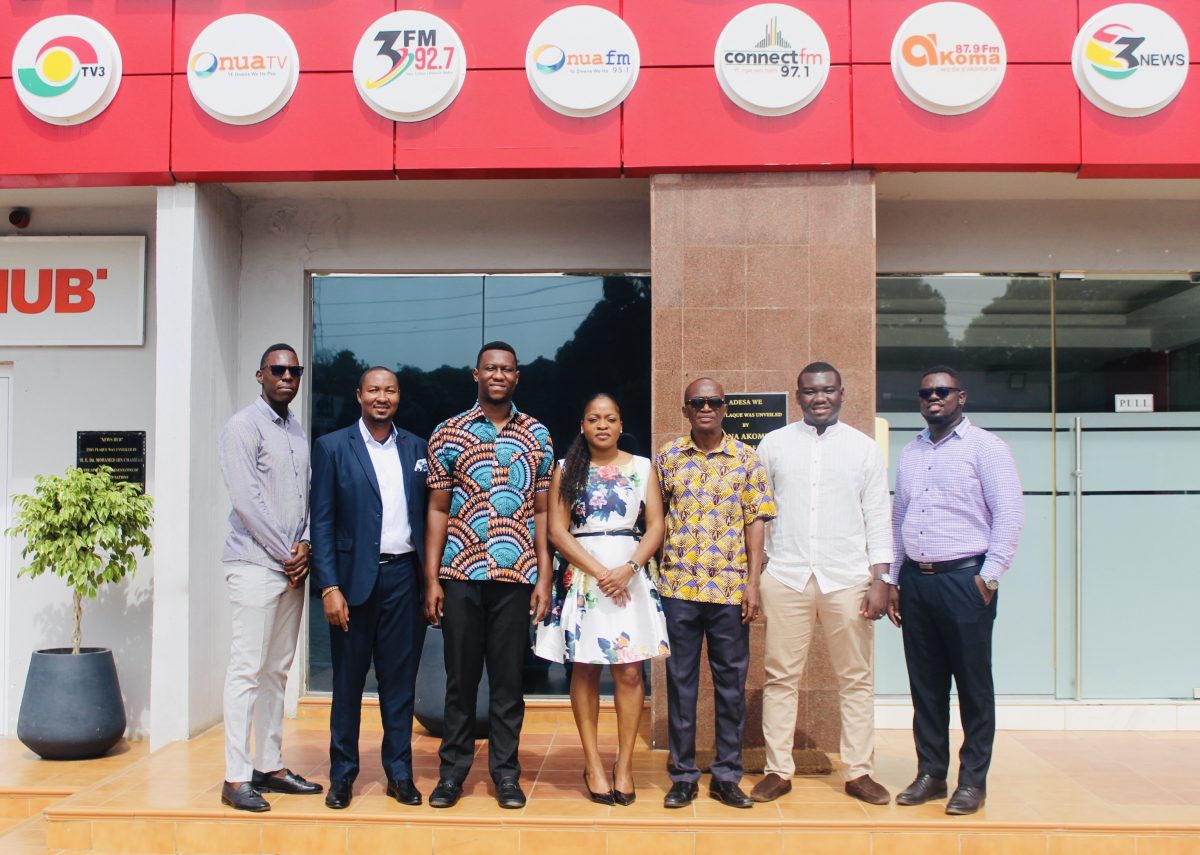
As VIFAA’s end date approached, one pressing challenge was ensuring that local partners like AFO had the technical capacity to maintain and expand the dashboards. While AFO has strong sectoral expertise, sustaining and upgrading complex data dashboards requires specialized technical skills. This highlights the importance of incorporating capacity-building activities from the outset to enable local ownership.
The VIFAA team began capacity-building efforts with AFO but recognized the need to further embed technical expertise within the team to manage complex tech components independently and build on existing capabilities.
Lesson: Programs should plan for capacity-building activities from the start, including technical training and simplified processes that enable local partners to maintain and adapt tools independently.
Reflections and Takeaways
The VIFAA program leaves us with valuable lessons for bridging data gaps and driving meaningful, data-informed change in agriculture. Collaboration with stakeholders during the design process ensures tools reflect local needs, building ownership, and sustainability. Establishing trust with private-sector partners through measures like NDAs opens access to critical data while fostering deeper collaboration. Tailoring approaches to fit each country’s unique context enhances the relevance and impact of solutions. At the same time, innovative methods, such as satellite imagery and modeling, address persistent data challenges and unlock new insights. Finally, investing in local capacity from the start ensures that partners can maintain and expand tools long after the program concludes. Together, these lessons highlight the importance of collaboration, adaptability, innovation, and long-term planning in creating lasting change.
Enhancing Livestock Traceability in Ethiopia with Mobile Tech
Ethiopia has the largest livestock population in Africa, with over 70 million cattle, 95 million sheep and goats, and 8 million camels as of 2024, according to The World Bank. To support the effective management of this vast sector, Development Gateway (DG), through the aLIVE program, is working to enhance key livestock information systems for Ethiopia’s Ministry of Agriculture (MoA).
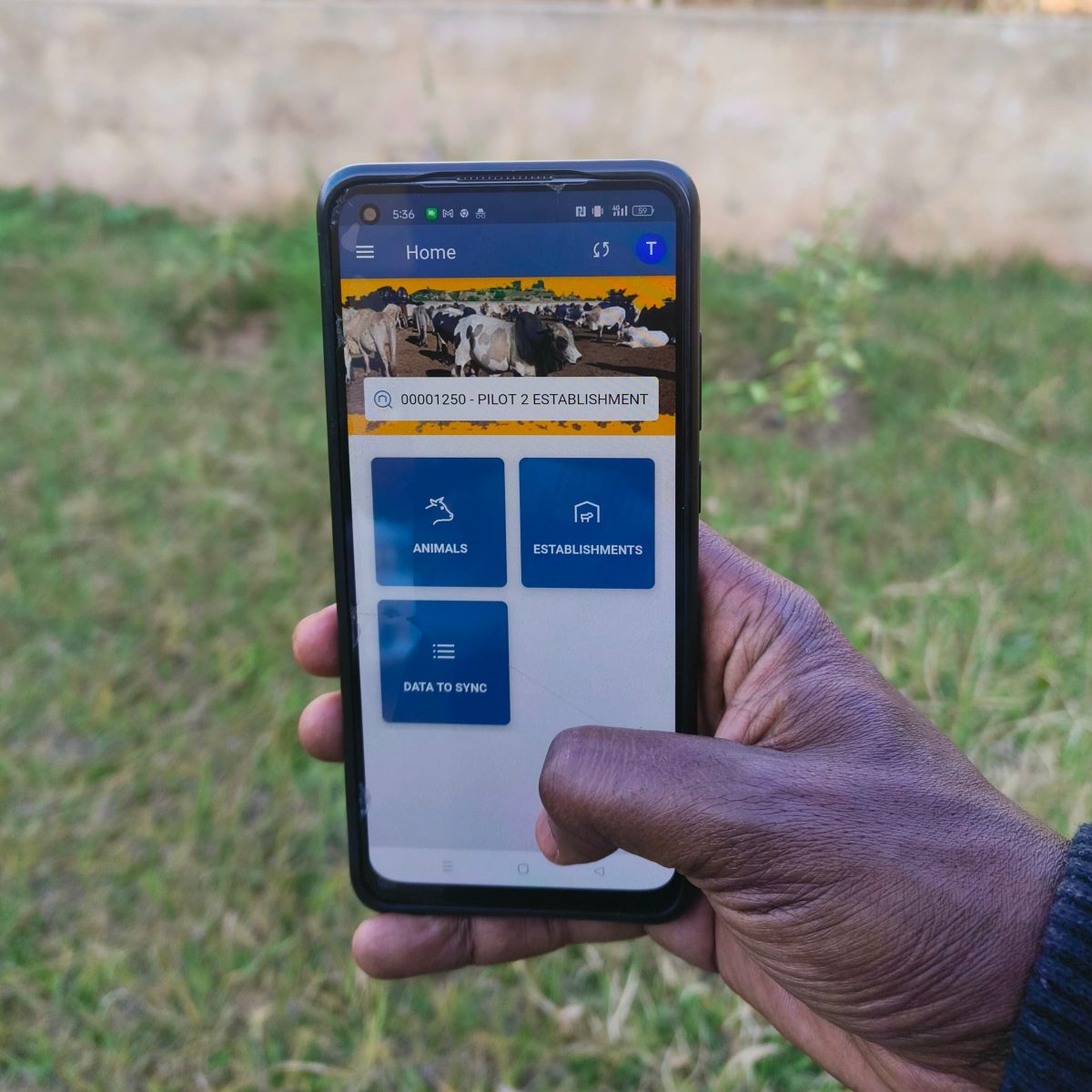
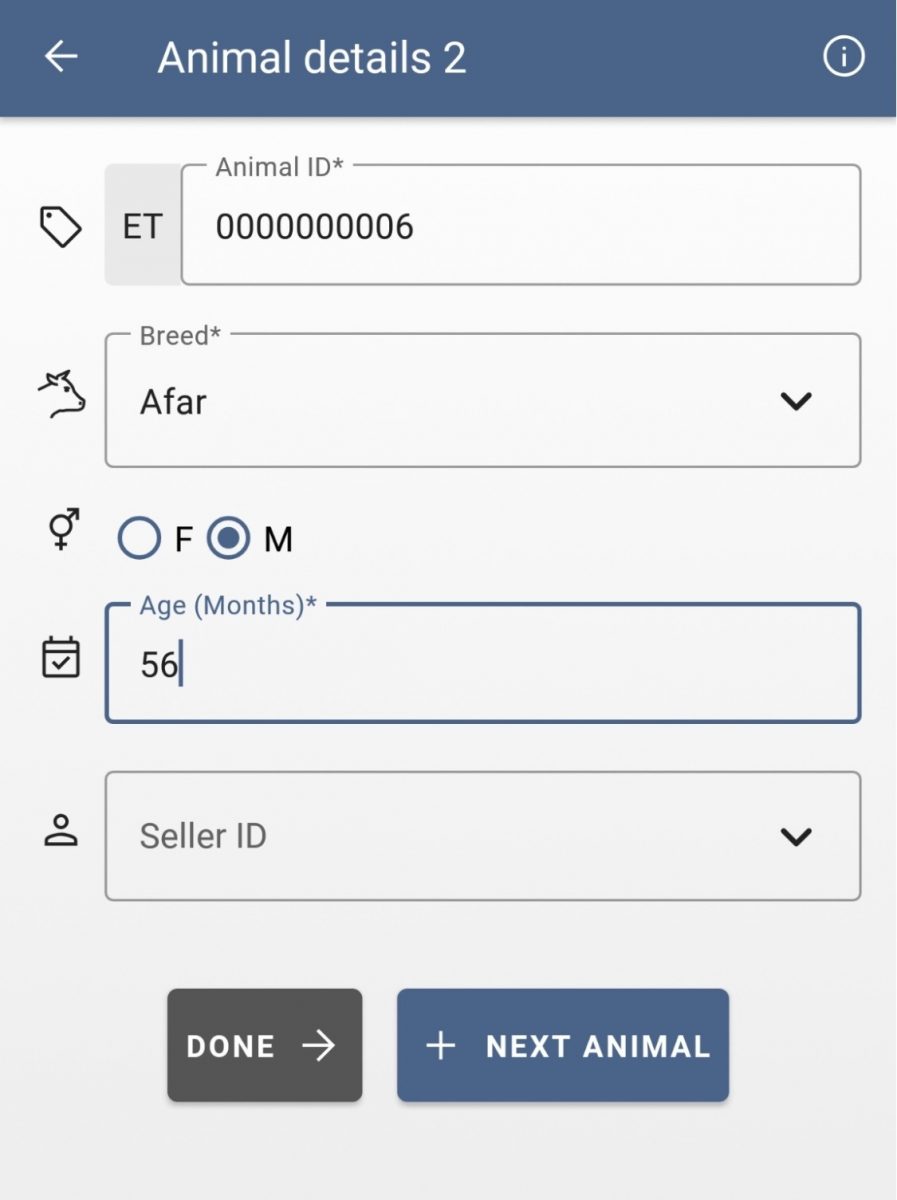
One significant improvement has been the development of a companion mobile app for Ethiopia Livestock Identification and Traceability System ( ET-LITS) over the past year. Unlike the original ET-LITS web application, which was not designed for mobile devices or offline use, this mobile app enables animal registration and tracking directly from the field—even in remote areas with limited connectivity, such as feedlots, abattoirs, and farms.
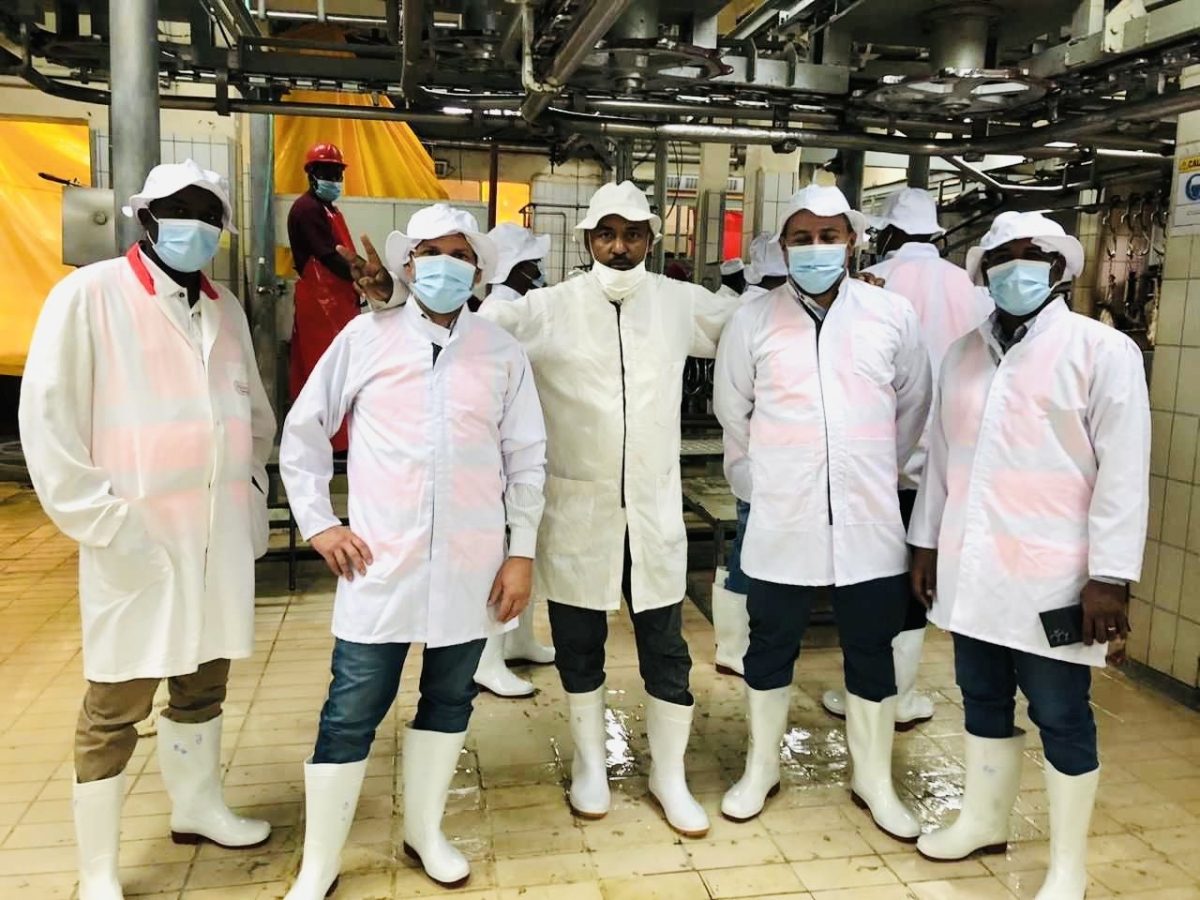
Previously, animal registration in these areas was done using paper forms, which were then manually entered into ET-LITS at offices with internet access. This process was prone to errors, difficult to scale, and did not provide real-time data. The new mobile app addresses these issues, allowing the MoA to expand animal identification, registration, and event recording (such as health events) across the country.
Data collected in the field through the app will also be integrated into the Livestock Information System (LIS), currently under development as part of the aLIVE program. LIS will enhance the MoA’s capacity to analyze and utilize livestock data in decision-making.
Mobile App Features
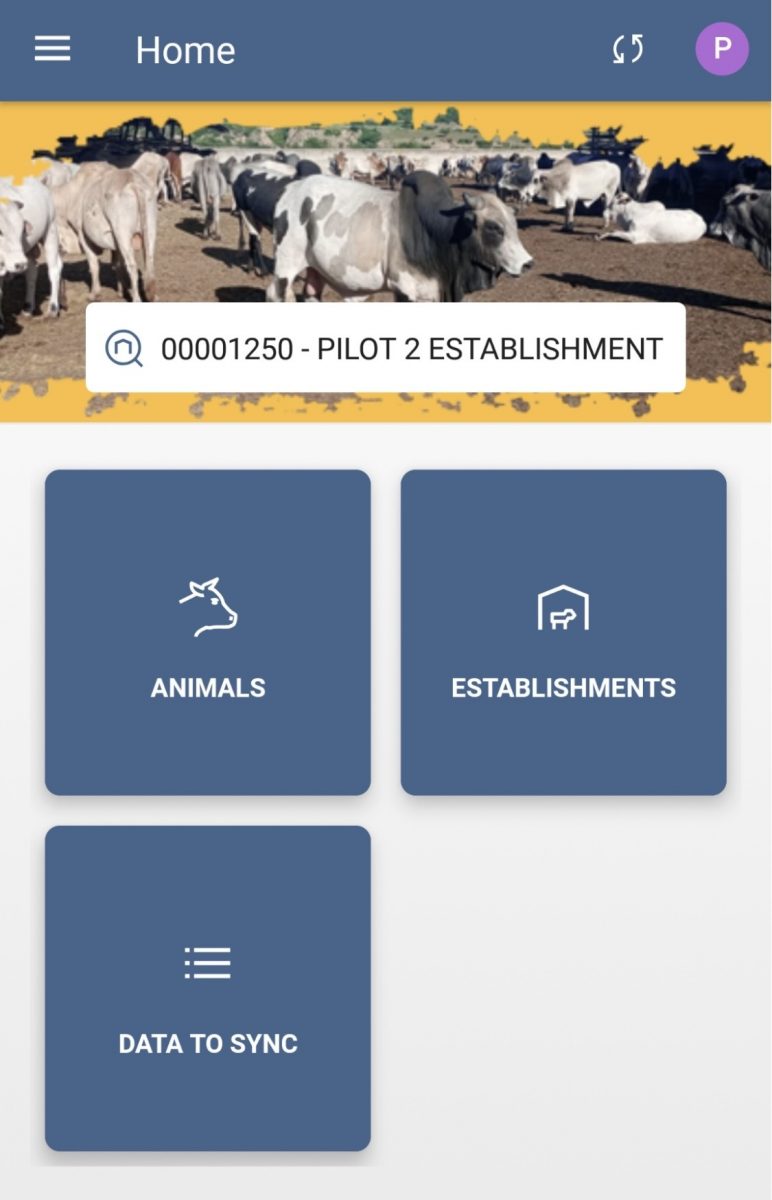
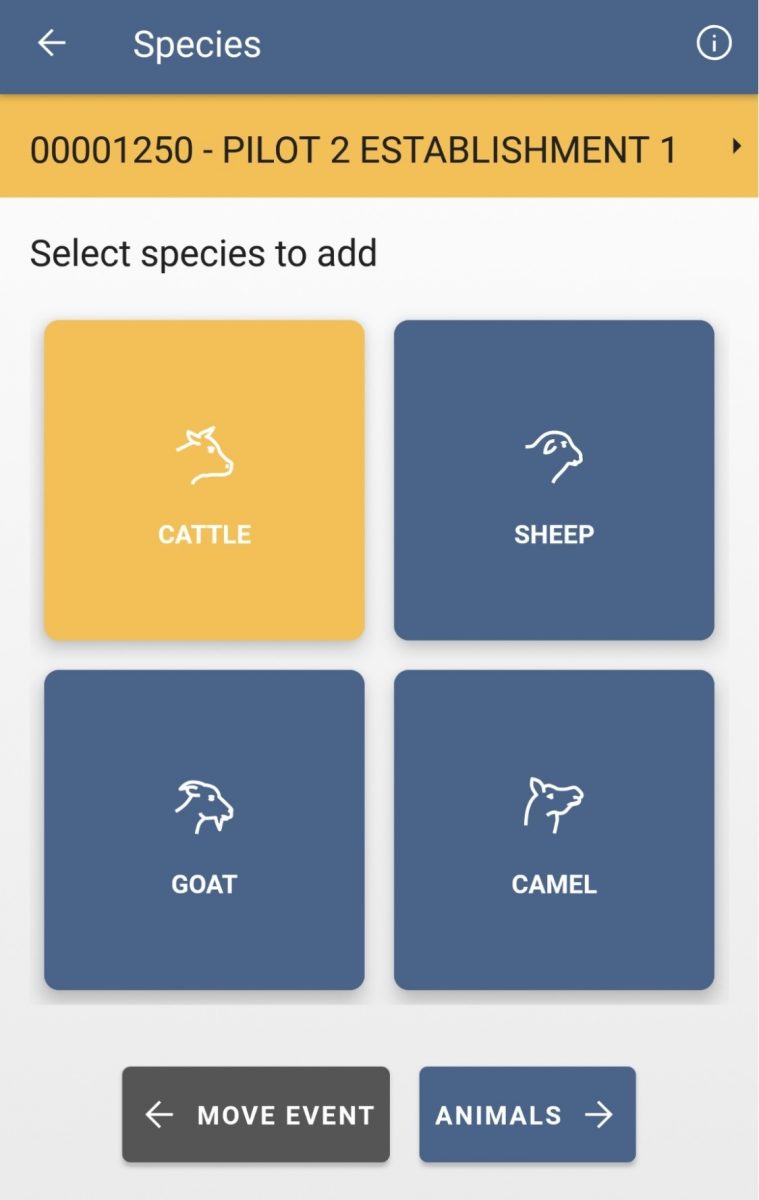
The ET-LITS mobile app offers the following key features:
- Animal Registration: Used for registering and tagging animals.
- Animal Movement Request: Records animal movements between establishments.
- Health Events: Allows recording of health-related events such as vaccinations, treatments, and sampling.
To facilitate offline data collection, the app downloads reference data (e.g., establishments, locations, animal breeds) while online and stores it on the device. Users can then work in the field in offline mode. Once back online, they can synchronize the collected data with the backend.
During synchronization, the data collected on the mobile app is submitted to the same workflow processes used by the ET-LITS web application, ensuring that both platforms follow the same business rules.
Technology and Architecture
The ET-LITS mobile app is developed in Java using the Android SDK. We chose the Android SDK because Android is the most widely used smartphone operating system in Ethiopia. Additionally, this approach enables installation on over 30,000 tablets available to the Ministry of Agriculture.
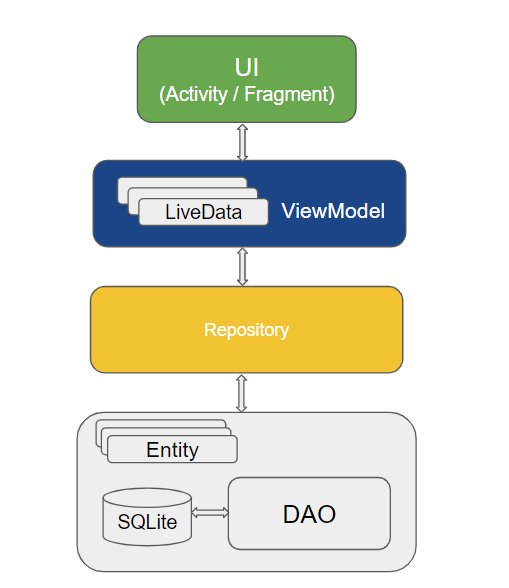
The app uses a well-organized layered architecture to improve functionality and create a smooth experience for users. At the foundation, an SQLite database is managed with the Room library, which allows fast and efficient access to stored data, ensuring quick responses within the app. The architecture is made up of several components, each with a specific role:
- Entity Classes define the data structure, shaping how information like animal records or health events is stored and organized.
- Data Access Classes manage the communication with the database, ensuring reliable data retrieval and updates.
- Repositories act as a bridge between the app’s data sources (like databases or network sources) and the app itself, providing a consistent way to access and update data.
Additionally, ViewModels are used to manage data for the user interface in a way that’s aware of the app’s lifecycle, which helps maintain data stability and prevents unnecessary loading. For the end user, this structured approach means a faster, more responsive app that can reliably handle complex tasks, even as the app evolves or scales with new features.
Agile Development Process
When we faced the challenge of managing multiple deliverables simultaneously, we understood that the Scrum methodology within our well-known DG Agile Framework was the way to go to maintain efficiency and focus. The team had 8 team members assigned to work on 4 deliverables simultaneously, covering the different roles (ET-LITS Mobile Application, ET-LITS Web application, LIS Architecture, and LIS Dashboard). The key to success in this multi-deliverable environment was to ensure that each had its own set of tasks prioritized (project backlog). However, instead of splitting the team across different products, we adopted a flexible sprint planning process that allowed the team to shift their focus based on the priority and complexity of tasks.
In this setup, a single Scrum Master, in close collaboration with the Technical manager, facilitated the daily stand-ups, sprint planning, and retrospectives, ensuring that the team’s focus, priorities, and objectives were clearly defined, achieved, and reviewed. By using a shared sprint board, allowing to view all projects in one, the team was able to collaborate on overlapping tasks while keeping track of the dependencies. Each development cycle (sprint) was time-boxed to two weeks, allowing for regular reviews of progress and quick adjustments when necessary. Demos were presented regularly based on what was important to accomplish at a certain point of the development phase.
The scrum framework flexibility enabled us to manage multiple workflows, while regular demos and retrospectives helped the team adapt and continuously improve performance.
Continuous Integration & Continuous Deployment
To ensure the ET-LITS mobile app is reliable and always up-to-date, we use specific tools for building, distributing, and tracking any errors. Continuous Integration and Continuous Delivery (CI/CD) tools help us quickly release new features, fix bugs, and maintain app stability. Here are the tools we use:
- Firebase App Distribution: This tool allows us to easily share new versions of the app with testers. By getting feedback early, we can make sure the app works well before it’s available to everyone.
- Firebase Crashlytics: Crashlytics helps us catch and fix errors by providing real-time crash reports. It pinpoints issues in the app, so we can quickly improve it and ensure users have a smooth experience.
Jenkins: Jenkins automates the process of building and testing new versions of the app. With Jenkins, we can release updates faster and make sure each new version is stable and works as expected.

Sustainability
To ensure the sustainability and ongoing improvement of the mobile app, DG has included software developers from the Ministry of Agriculture (MoA) in the development team. This collaboration has proven to be highly effective, with MoA developers actively contributing to enhancements and the integration of new features. This involvement not only fosters a sense of ownership among the MoA team but also ensures that the app continues to evolve in alignment with the specific needs and conditions of the local environment, securing its long-term relevance and utility.
Recognizing the complexity of the data pipeline, aLIVE is also equipping other professionals within the MoA such as epidemiologists, data analysts, animal welfare experts, and other data users with essential skills in data handling, processing, analysis, and visualization. The training program is designed to empower them with modern tools and techniques to enhance their decision-making. By strengthening their technical capacity, aLIVE ensures that data is not only collected but effectively transformed into actionable insights that improve outcomes across the sector.
Next Steps
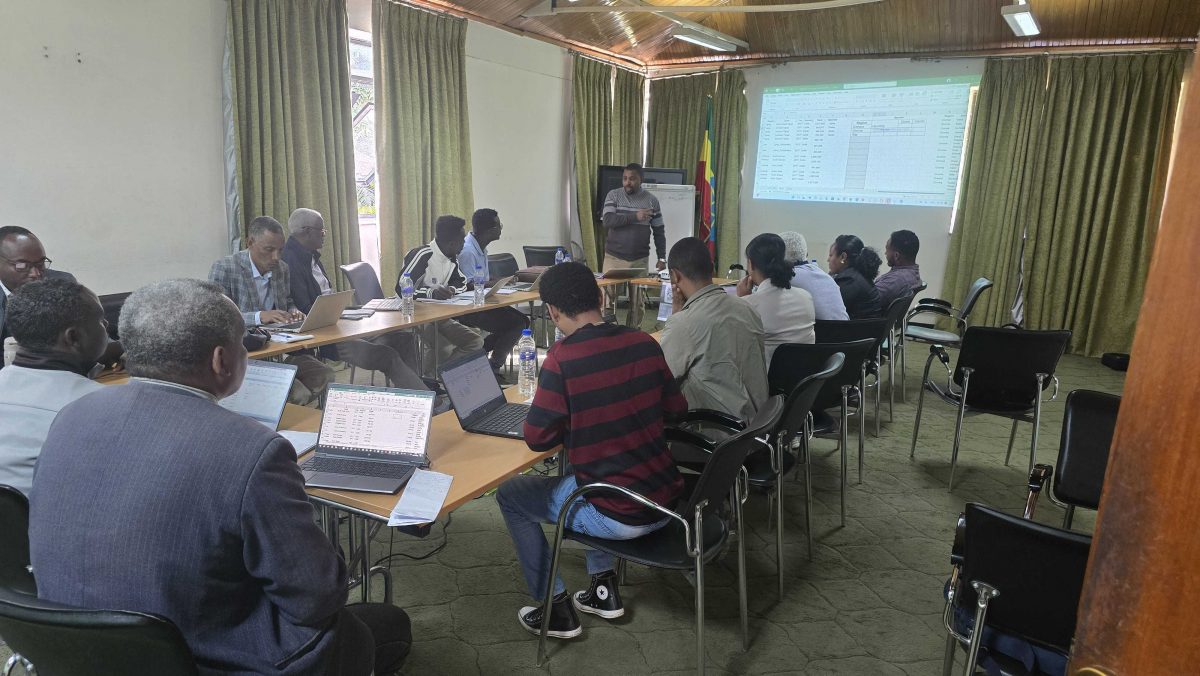
We are currently working on updates to align both the ET-LITS backend system and the mobile app with the new Livestock Data Standard developed through the ALIVE program. As part of our efforts to ensure a smooth transition, we are engaged in various knowledge transfer activities, such as training MoA developers on technologies and processes, and involving them in the development of additional features. At the same time, we continue to support the LIT Directorate as it conducts user testing in the field at locations such as abattoirs, feedlots, and quarantine centers. This testing is a crucial step in preparing for a full-scale production rollout in the coming months.

The Cancer-Tobacco Link: Using Data to Drive Stronger Tobacco Control Policies
As we observe World Cancer Day today, it is crucial to recognize the significant role smoking plays in the global cancer pandemic. Tobacco use is the leading preventable cause of cancer and cancer-related deaths worldwide, necessitating a dynamic, multidisciplinary approach to tobacco control interventions. DG’s Tobacco Control Data Initiative (TCDI) contains country-specific websites designed to break down barriers to data use in tobacco control by consolidating reliable, comprehensive information on tobacco use, including its impact on cancer.
These 6 country-specific websites provide critical data that reinforces the well-established causal link between tobacco use and cancer, offering a clear, evidence-based picture of the public health threat. The websites feature a wide array of data sources, including primary data collected through TCDI, publicly available secondary data, and peer-reviewed research. By consolidating these resources, TCDI aims to fill existing data gaps and empower stakeholders with the information needed to strengthen tobacco control efforts.
Smoking is the predominant cause of lung cancer cases, responsible for around 85% of all cases worldwide. This is notable given that lung cancer is the principal cause of cancer-related deaths and ranks as the sixth leading cause of death worldwide. Tobacco smoke contains over 7,000 toxic substances, including seven carcinogens that cause cells to grow abnormally, eventually leading to cancer. Even smokeless tobacco, which is chewed, sucked, or sniffed rather than smoked, contains more than 4,000 chemicals—28 of which are known carcinogens. These alarming facts underscore the urgent need for continued awareness and action to reduce tobacco use in the fight against cancer.
Contrary to common beliefs, smokeless tobacco poses significant health risks, often underestimated in comparison to smoking. A single dose of snuff, held in the mouth for about 30 minutes, delivers as much nicotine as four cigarettes, leading to nicotine levels in the blood that can be as high—or even higher—than those from smoking. This makes smokeless tobacco highly addictive, with snuff being even more so than chewing tobacco. Users of smokeless tobacco are at increased risk of developing malignant tumors, particularly in the pancreas, esophagus, and mouth. These risks highlight the severe health consequences of smokeless tobacco, challenging the misconception that it is a safer alternative to smoking.
The Dangers of Secondhand Smoke
There is also a misconception that secondhand smoke is not as harmful as direct smoking. In reality, even brief exposure to passive smoke poses serious health risks to non-smokers. Therefore, there is no safe level of exposure to secondhand smoke, meaning that non-smokers who breathe in secondhand smoke can suffer from serious conditions like coronary heart disease, stroke, and lung cancer. Those living with smokers face a 20% to 30% increased risk of lung cancer due to secondhand smoke’s immediate adverse effects on the cardiovascular system. The dangers extend beyond lung cancer, with evidence linking secondhand smoke to an increased risk of breast cancer, nasal sinus cancer, stroke, atherosclerosis, and even adult-onset asthma.
Similar to active smoking, the longer the duration and the higher the level of exposure to secondhand smoke, the greater the risk of developing lung cancer. These risks underscore the urgent need to protect non-smokers from secondhand smoke in all environments.
Cancer Deaths Attributed to TRIs in TCDI Focus Countries
Tobacco-related illnesses (TRIs) are a significant cause of cancer deaths worldwide, responsible for about 2.6 million cancer deaths in 2019 (the most recent year with available data), highlighting the urgent need for enhanced public health interventions. In Ethiopia, approximately 9,900 deaths are attributed to tobacco use annually, which contributes to a range of cancers as well as cardiovascular and respiratory diseases. Cancer, in general, accounts for 5.8% (2019) of the country’s total mortality, with 1,360 of those deaths directly linked to tobacco use. The cancers most commonly associated with tobacco include lung, laryngeal, esophageal, and oral cancers, among others, emphasizing the wide-reaching impact of tobacco on public health.
Similarly, in Kenya, tobacco-related cancers are responsible for a significant portion of the national cancer burden. A 2022 study, Tobacco Smoking-Attributable Mortality in Kenya, 2012–2021, provides the first comprehensive data on the morbidity and mortality linked to tobacco use in the country. This study found that nearly half (46%) of 2,000 Kenyan patients undergoing cancer treatment had a history of tobacco use, with oral-pharyngeal cancer emerging as the most common tobacco-related illness.
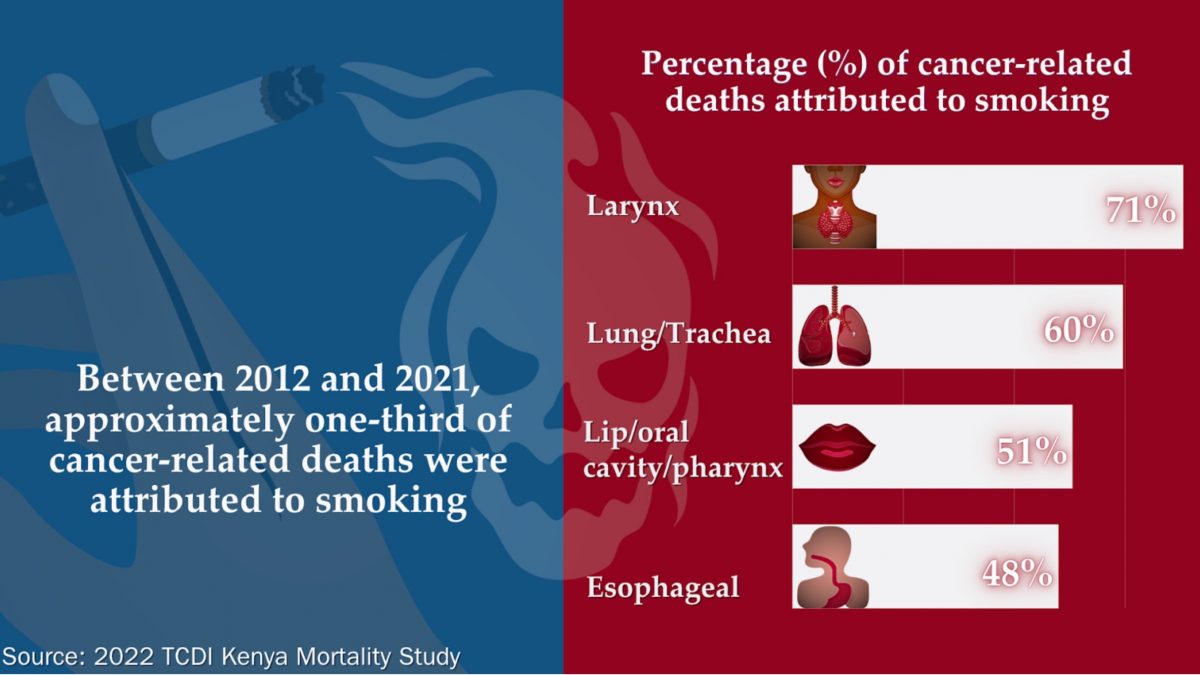
Men were disproportionately affected, making up 91.3% of the 9,934 deaths attributable to tobacco smoking, largely due to higher smoking rates among men.
These findings from both Ethiopia and Kenya underscore the devastating public health toll of tobacco use, particularly in the form of cancer-related deaths, and emphasize the critical need for multidisciplinary, evidence-based tobacco control strategies to reduce its impact.
Treatment and Healthcare Costs
TRIs not only devastate public health but also impose a heavy economic burden. According to Kenya’s 2022 study, the cost of treating patients with these illnesses is staggering, with lung cancer leading the way at $23,365 per case, followed by oral-pharyngeal cancer at $7,637. The majority of these costs stem from expenditures on medicine and medical staff. While cancers incur the highest treatment costs per case, they contribute less to overall healthcare spending compared to cardiovascular diseases. This is primarily because most cancer cases are diagnosed at advanced stages, limiting treatment options and resulting in poor outcomes and high fatality rates.
The Centre for the Study of the Economies of Africa’s (CSEA) study, Health Burden and Economic Costs of Tobacco Smoking in Nigeria, found that in 2019, 29,474 deaths were attributable to smoking, and the Nigerian healthcare system spends 526.4 billion Naira (the equivalent of USD 1.71 billion in 2019 NGN) in treating TRIs, annually. Researchers found that if the price of cigarettes were to increase by 50%, 23,838 deaths would be forestalled and the government would benefit from healthcare cost savings and increased tax revenue collection.
In 2021, TRIs in Kenya were responsible for significant economic losses, yet the revenue generated from the tobacco industry—through taxes and other contributions—covered only 63.8% of the estimated healthcare expenditures caused by tobacco use. This stark gap between the costs of treating TRIs and the revenues from tobacco taxation underscores the unsustainable economic impact of tobacco consumption.
Policy Recommendations for Public Health Interventions
Reducing cancer deaths linked to tobacco-related illnesses requires a dynamic, multidisciplinary approach to tobacco control that adapts to the political, socioeconomic, and cultural context of each region. Several strategies are essential across all six TCDI focus countries—Zambia, South Africa, Kenya, Ethiopia, DRC, and Nigeria. First, reinforcing the implementation of the Framework Convention on Tobacco Control (FCTC) to reduce tobacco use prevalence.
Alongside this, robust cessation programs must be integrated into diverse settings, including health facilities, workplaces, higher education institutions, and communities, to reach individuals across various stages of life and socio-economic backgrounds. Given that tobacco use is responsible for far more cancers than other adjustable behaviors– like consuming alcohol or physical inactivity–interventions aiming to help individuals quit smoking could have the most significant global impact on cancer prevention.
Gender mainstreaming is also vital; tobacco control policies and interventions should be designed with a gender perspective, recognizing the differing prevalence of tobacco use and associated health outcomes between men and women.
Further, comprehensive data collection is necessary to assess and monitor the tobacco epidemic effectively. This includes systematically gathering data on both morbidity and mortality rates related to tobacco use, such as the incidence of lung cancer, cardiovascular diseases, and respiratory disorders. In addition to clinical data, there should be linkages between electronic health records and national registries to enable real-time monitoring and trend analysis. Surveys and population-based studies can also provide insights into tobacco use patterns, including initiation, cessation rates, and the social determinants influencing tobacco consumption. This robust data collection will allow for consistent, evidence-based policy adjustments and interventions, ensuring that strategies to reduce tobacco use are responsive to local context and effective.
Expanding the scope of research to include tobacco-related morbidity, mortality, and the economic impact of diseases not covered in existing studies will offer a more complete picture of the toll of tobacco. Equally important is the responsible management of tobacco funds—resources collected from the tobacco industry should be used prudently to finance cessation programs and support healthcare costs associated with treating tobacco-related illnesses.
Finally, progressively increasing tobacco taxes remains one of the most effective tools to reduce consumption and alleviate the financial burden on healthcare systems. By combining these efforts into a cohesive, integrated approach, countries can make significant strides in reducing the devastating impact of tobacco use on public health.